Natura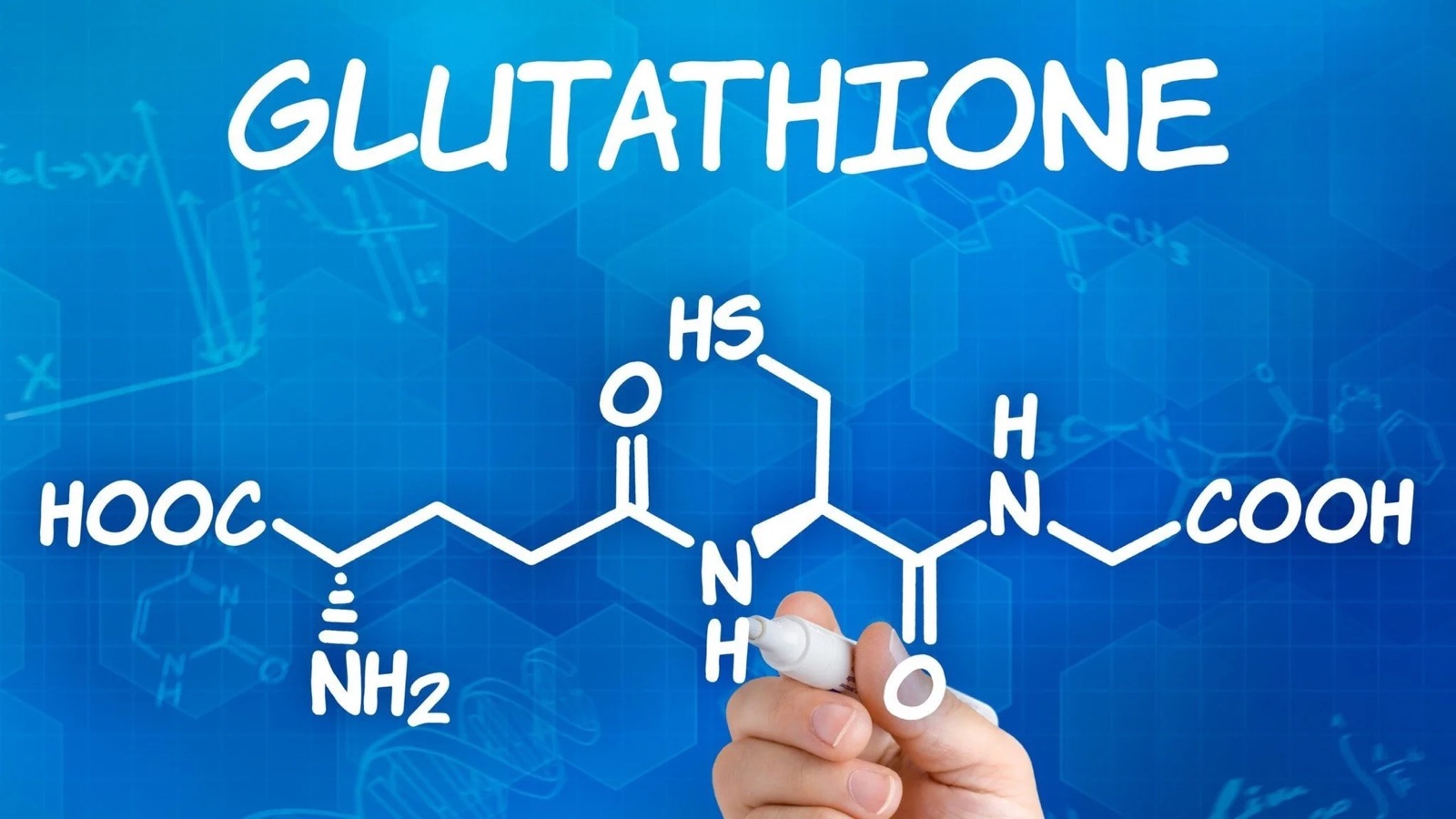
What is glutathione?
Glutathione is a sulfur-containing molecule made up of the three amino acids glutamic acid, cysteine and glycine. It is found in all cells of the body, with the highest concentrations detectable in the liver as well as in red and white blood cells. Glutathione is considered one of the most important antioxidants. It protects cells and cell organelles from harmful influences but also has other important functions in the body.
Where is glutathione produced?
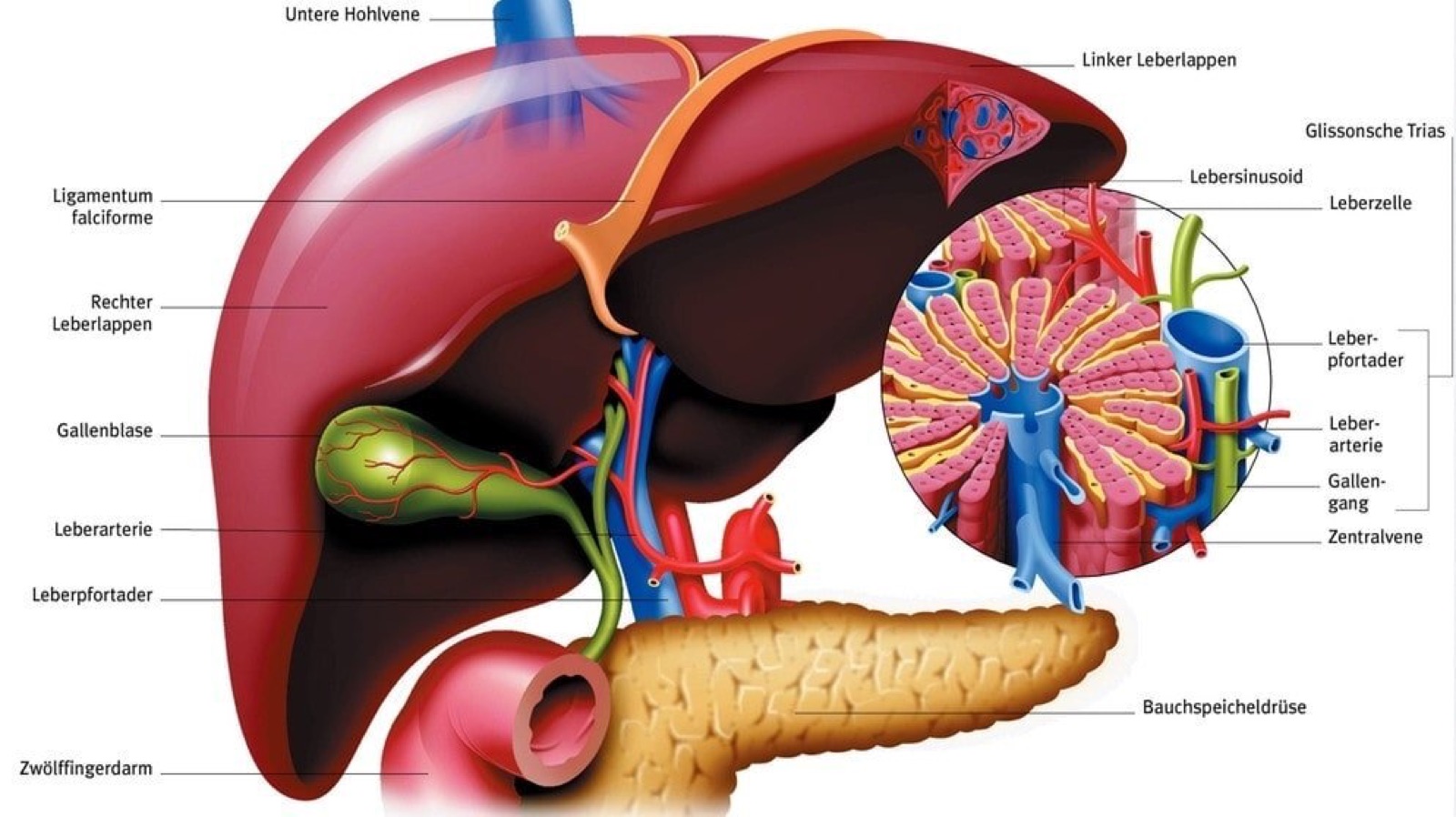
In principle, glutathione can be produced in any cell of the body, but the main site of biosynthesis is the liver. Glutathione consists of three amino acids that are linked together in two steps, consuming energy. Synthesis of the tripeptide takes place in the cytosol and bypasses the protein biosynthesis machinery.
What does glutathione do in our body?
Glutathione is one of the body’s most important endogenous antioxidants and protects our cells and cell components from oxidative stress. Glutathione is involved in the structural formation of proteins, has detoxification functions and serves as a coenzyme in various enzymatic processes. It also acts as a reservoir for the amino acid cysteine.
What is oxidative stress and how does it arise?
In order for usable energy to be generated in the body’s cells, every cell needs oxygen for cellular respiration. 95–98% of this oxygen is reduced to water by an enzyme complex (cytochrome oxidase) in the mitochondria. The remaining oxygen forms reactive oxygen species through partial reductions. These reactive oxygen species can occur in the form of free radicals, as hydrogen peroxide or as singlet oxygen. These substances are extremely reactive and cause severe cell damage by oxidizing proteins, DNA or unsaturated fatty acids. All processes that lead to increased formation of reactive oxygen species, for example inflammatory or repair processes in tissue or hyperoxia, are summarized as oxidative stress.
What are antioxidants?
When cells are increasingly confronted with oxidative stress or pro-oxidant substances, the body normally has an antioxidant protective system that protects the cells from damage. The substances of this protective system are collectively referred to as antioxidants. In addition to glutathione and glutathione-associated enzymes, these include alpha-lipoic acid, uric acid and low-molecular-weight compounds such as vitamin C, vitamin E, selenium or vitamin A. Antioxidants act as so-called radical scavengers by inactivating the (chain) reactions of the pro-oxidant substances (reactive oxygen species) and reducing cell damage.
What is reduced glutathione?
Glutathione is called reduced when it is present in monomeric form and is able to render reactive oxygen species harmless by simultaneously taking up two electrons and two protons from reactive substances such as hydrogen peroxide. In this process, two glutathione molecules combine, releasing water, to form a dimer, which is then called oxidized glutathione. Reduced glutathione is abbreviated as GSH, oxidized glutathione as GSSG.
What are the consequences of glutathione deficiency for the cell?
Glutathione deficiency can be derived from the function of the antioxidant: in a healthy cell, GSH and GSSG are present in a ratio of about 9:1 (GSH:GSSG). The “conversion” of GSSG to GSH, i.e. from “inactive” to “active” glutathione, consumes energy and requires the help of a glutathione-associated enzyme, glutathione reductase. If cells are exposed to permanent oxidative stress, an imbalance between GSH and GSSG can develop, so that cell protection can no longer be adequately ensured.
When can measuring the glutathione level be useful? What are the consequences of glutathione deficiency?
A low concentration of glutathione appears to be associated with various diseases and is observed, for example, in viral diseases (HIV/AIDS), some autoimmune diseases such as rheumatoid arthritis, arteriosclerosis or neurodegenerative diseases (Parkinson’s disease or Alzheimer’s disease). But also in the case of fatigue, heavy metal exposure or exposure to other toxins or chronic stress, glutathione is described in naturopathy in connection with detoxification processes and cell protection.
Which foods contain glutathione?
Glutathione is present in large quantities in animal and plant cells and is therefore found in freshly processed meat, fish or poultry and in various types of vegetables and fruit, but also in brewer’s or baker’s yeast, for example. Foods such as broccoli, cauliflower or Brussels sprouts, onions or garlic are mentioned in connection with the body’s own synthesis of glutathione.
How is the glutathione level in the body measured?
The glutathione level is measured in the blood, intracellularly. Various cell types are suitable for this, and depending on the result for the glutathione concentration in monocytes, lymphocytes, erythrocytes or NK cells, conclusions can be drawn about the cause of the deficiency or statements can be made about therapy.
We will be happy to advise you on suitable diagnostics!
Why glutathione as an infusion?
With intravenous administration, nutrients and antioxidants bypass the digestive tract and enter the bloodstream directly. Our infusions are individually composed and tailored to each patient on the basis of detailed diagnostics. In addition to vitamin C, individual B vitamins or vitamin B complex, our infusions also include a number of important amino acids, and antioxidants such as alpha-lipoic acid or glutathione are also components of our nutrient infusions.
Sources:
Glutathione: Antioxidant Properties Dedicated to Nanotechnologies; C. Gaucher, A. Boudier, J. Bonette, I. Clarot, P. Leroy, M. Parent; Université de Lorraine; Antioxidants 2018,
Anatomie, Physiologie und Pathophysiologie des Menschen; G. Thews, E. Mutschler, H.-G. Schaible, P. Vaupel; Wiss. Verlag-Ges., 2007, 6th ed.
Further articles that may interest you:
Immune system – naturopathyRemoval of molesScar interference field treatment
Contact
Would you like advice or to make an appointment? Then don’t hesitate to get in touch with us!
Professionally responsible: Yesha Karmeli, naturopathic practitioner (Heilpraktiker), Natura Heilpraxis Berlin. This text provides general information and does not replace individual advice.