Natura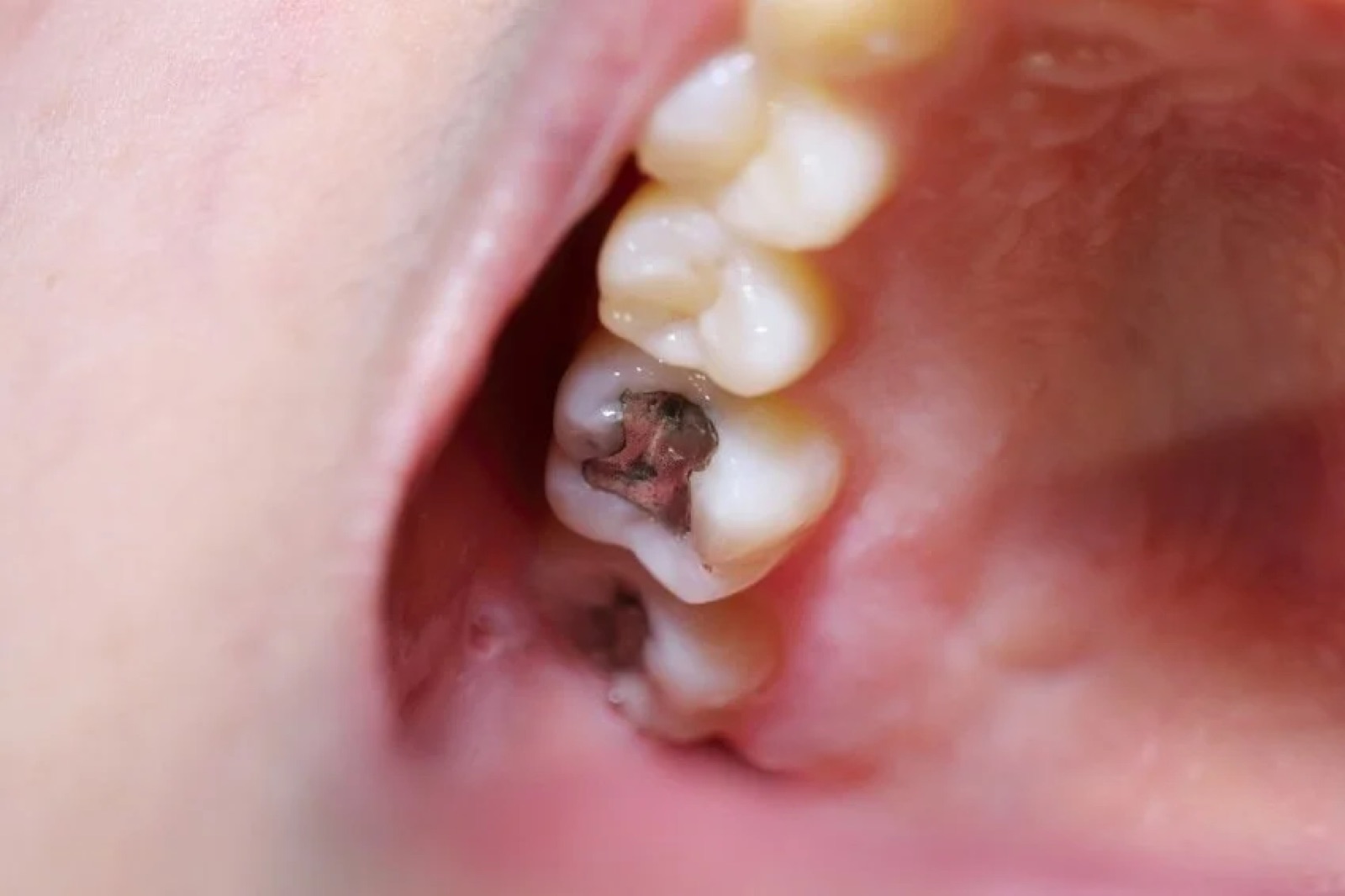
Introduction to the amalgam issue
Introduction to the amalgam issue
In recent decades, awareness of the health risks posed by amalgam fillings has increased significantly. While amalgam was used for decades as an inexpensive and durable dental filling material, more recent findings show that the mercury it contains can be potentially toxic to the human organism.
Amalgam consists of about 50% metallic mercury, which is alloyed with other metals such as silver, tin, copper and zinc. What is particularly problematic is that even intact fillings release small amounts of mercury vapor – mainly due to mechanical stimuli such as chewing, teeth grinding or hot drinks.
Even though the use of amalgam in children, pregnant women and breastfeeding women has been severely restricted in Germany for several years, many people in Europe – especially in Austria, Switzerland, Italy and Eastern Europe – still have old amalgam fillings. After removal, the topic of detoxification is often discussed in naturopathy.
How does mercury affect the body?
Mercury is one of the most potent known cell toxins. Even in small amounts, it can:
damage cell membranes and enzyme systems
block mitochondria and thus disrupt ATP production (energy generation)
promote oxidative stress
negatively affect the immune system, nervous system and hormonal balance
damage the intestinal mucosa and the blood-brain barrier
Particularly in people with a detoxification capacity that is limited genetically or by environmental burdens, mercury can be stored chronically – for example in the brain, liver, kidneys, intestines or connective tissue.
What should be considered when removing amalgam?
Improper removal of amalgam can even dramatically increase the burden on the body, as large amounts of mercury can be released during the removal.
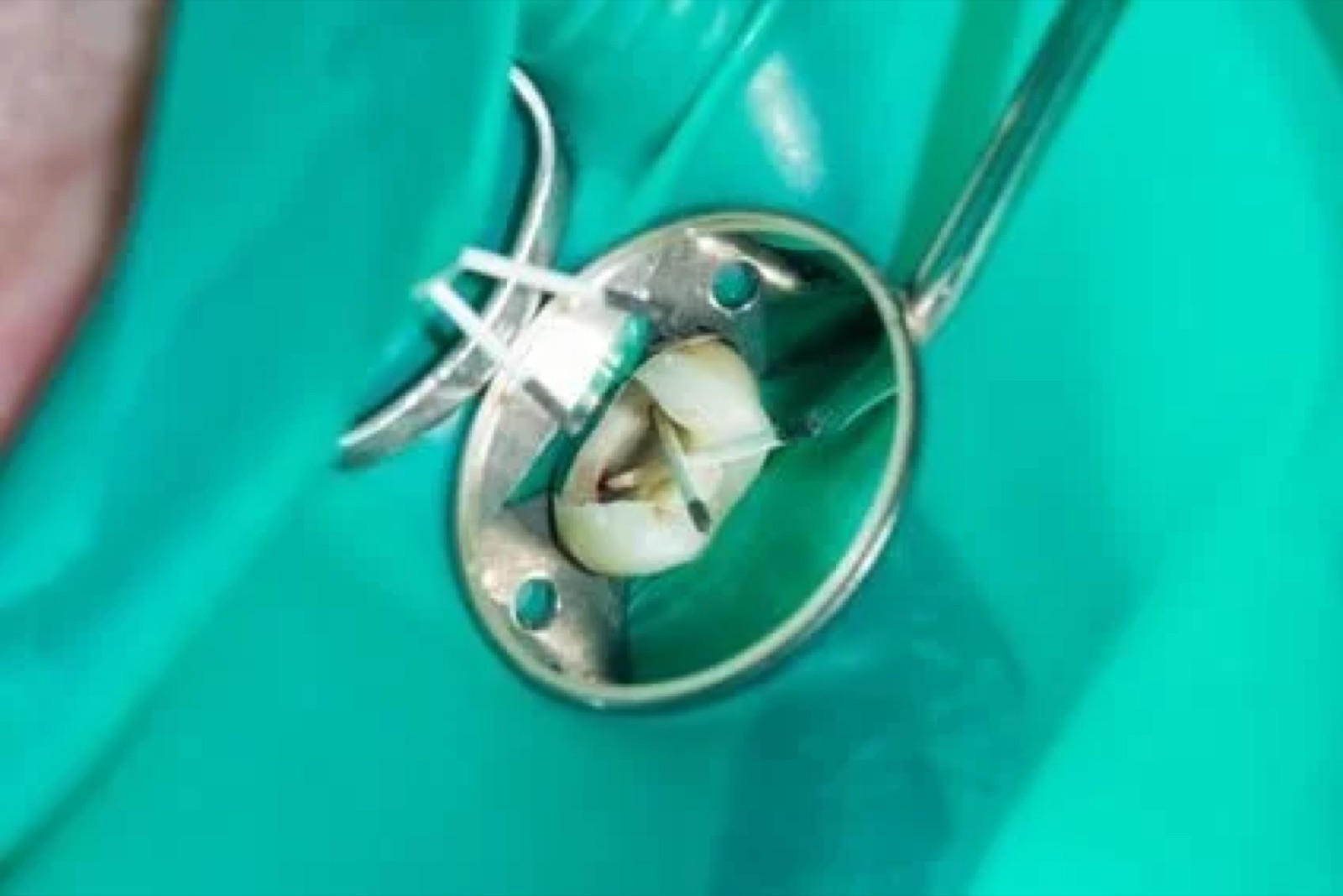
A safe amalgam removal protocol at the dentist
A safe amalgam removal protocol at the dentist should include:
Rubber dam (latex protection): prevents particles or vapors from entering the mouth
Clean-up suction systems with special filters: minimize inhalation of mercury vapor
Oxygen supply via nasal mask: protects against inhaling aerosols
Binding agents (e.g. activated charcoal, chlorella): are used in naturopathy before, during and after the procedure
Dentists with experience and specialization in metal-free restoration
What matters to us is the close cooperation between the dentist and our therapeutic team.
Preparing for amalgam removal
Preparing for amalgam removal – why it is so important
In naturopathy, it is recommended to address preparation before amalgam is removed. The focus is on the excretory organs – above all the liver, kidneys, intestines and lymph.
Our check-up diagnostics include:
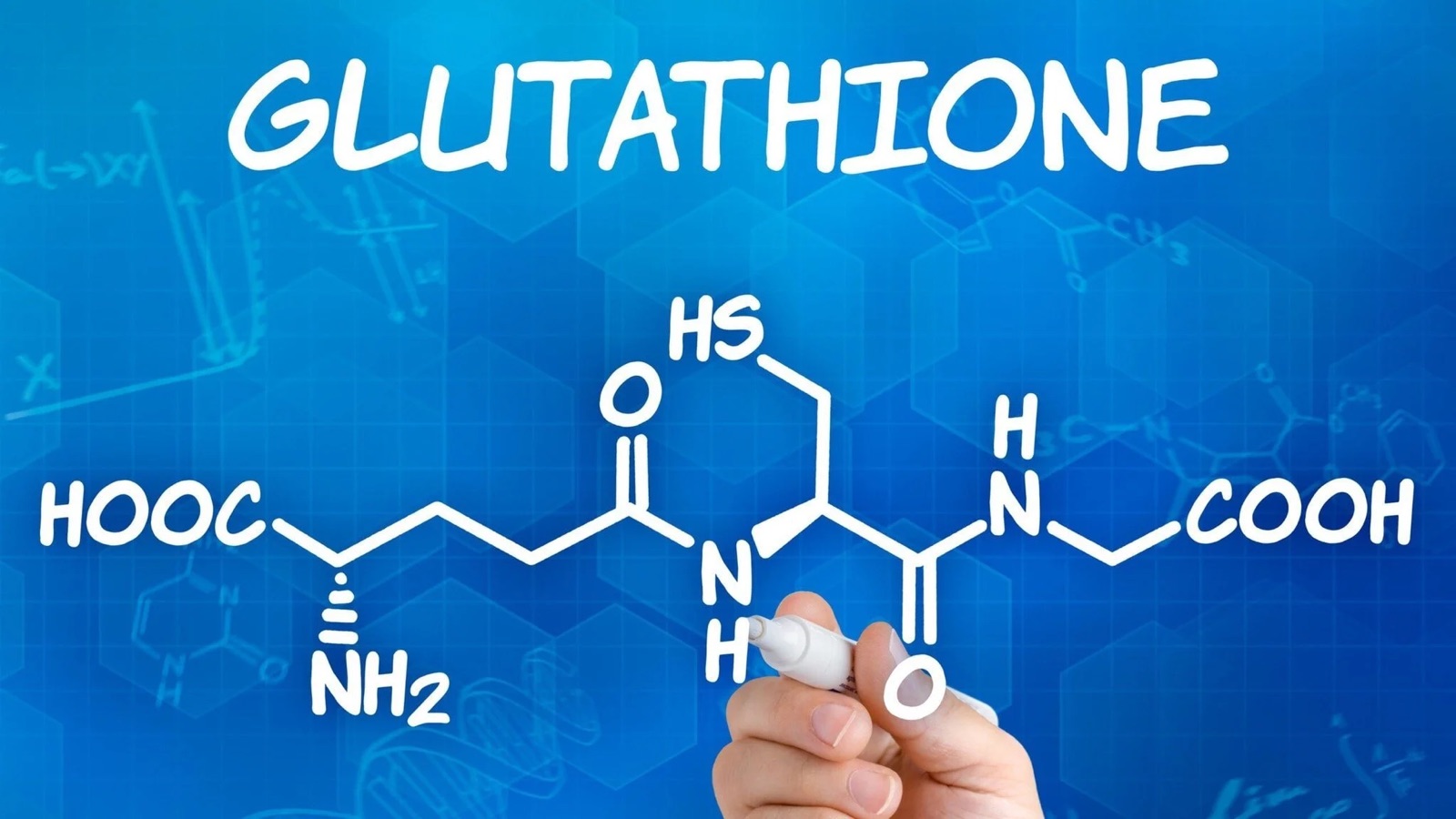
Glutathione metabolism: Are antioxidant systems such as GPx and SOD functioning?
Intestinal health: Are there signs of leaky gut or dysbiosis?
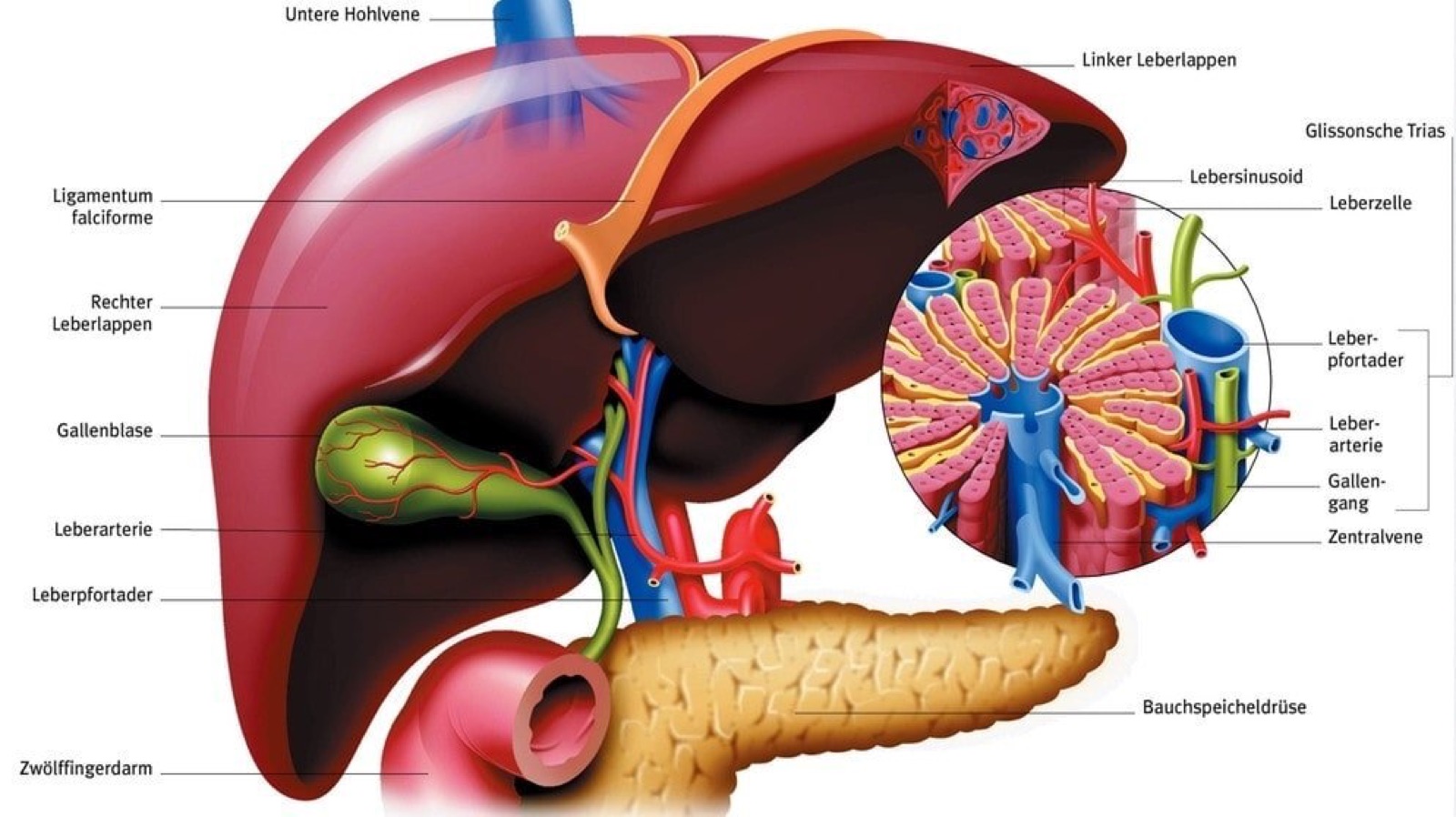
Liver function: Is there sufficient phase I and phase II detoxification capacity?
Cellular energy (ATP): Is mitochondrial energy production sufficient?
Mineral status and heavy metal burden: laboratory diagnostics with whole blood, urine or DMPS test
The course of our therapeutic support program
1. Preparation phase (at least 2–4 weeks before amalgam removal):
Topics relating to the glutathione system
Supply of antioxidant micronutrients (e.g. selenium, zinc, manganese)
Support on the topics of intestines, liver and immune system
Naturopathic drainage and elimination methods (e.g. with plant extracts)
2. Removal phase in cooperation with the dentist:
Targeted dental restoration with rubber dam and protective measures
Taking binding agents (e.g. activated charcoal, zeolite, chlorella)
Accompanying infusions
3. Detox phase after dental restoration:
Chelation therapy (e.g. with DMPS or EDTA): administration of chelating agents that bind metals
Glutathione infusions, alpha-lipoic acid, high-dose vitamin C infusions
Combination with bioresonance, heat therapy, tissue massage, colon hydrotherapy
Support for the excretory organs and cell metabolism
What to do if amalgam has already been removed – but without detoxification?
Even if amalgam fillings are no longer present, the question of a possible residual burden in the tissue may arise. In these cases, we offer a detox check-up to look at the following questions:
Are heavy metals still stored in the body?
How good is the organism's current detoxification capacity?
How active are the mitochondrial and antioxidant systems?

individual follow-up detox plan
On this basis, we create an individual follow-up detox plan.
Conclusion: amalgam – not a trivial matter, but a health topic to be taken seriously
Amalgam is not an “old” topic – but a current health topic that concerns many people. Our approach includes:
Safe removal by a specialized dentist
Good preparation
Therapeutic support before, during and after removal
Long-term support in everyday life
If you have amalgam fillings, or have had them but never did targeted detoxification, we will be happy to advise you individually. Our practice works closely with experienced dentists and offers you a holistic support program. No promises of healing or success are made; the support does not replace medical or dental treatment.
Professionally responsible: Yesha Karmeli, naturopathic practitioner (Heilpraktiker), Natura Heilpraxis Berlin. This text provides general information and does not replace individual advice.