Natura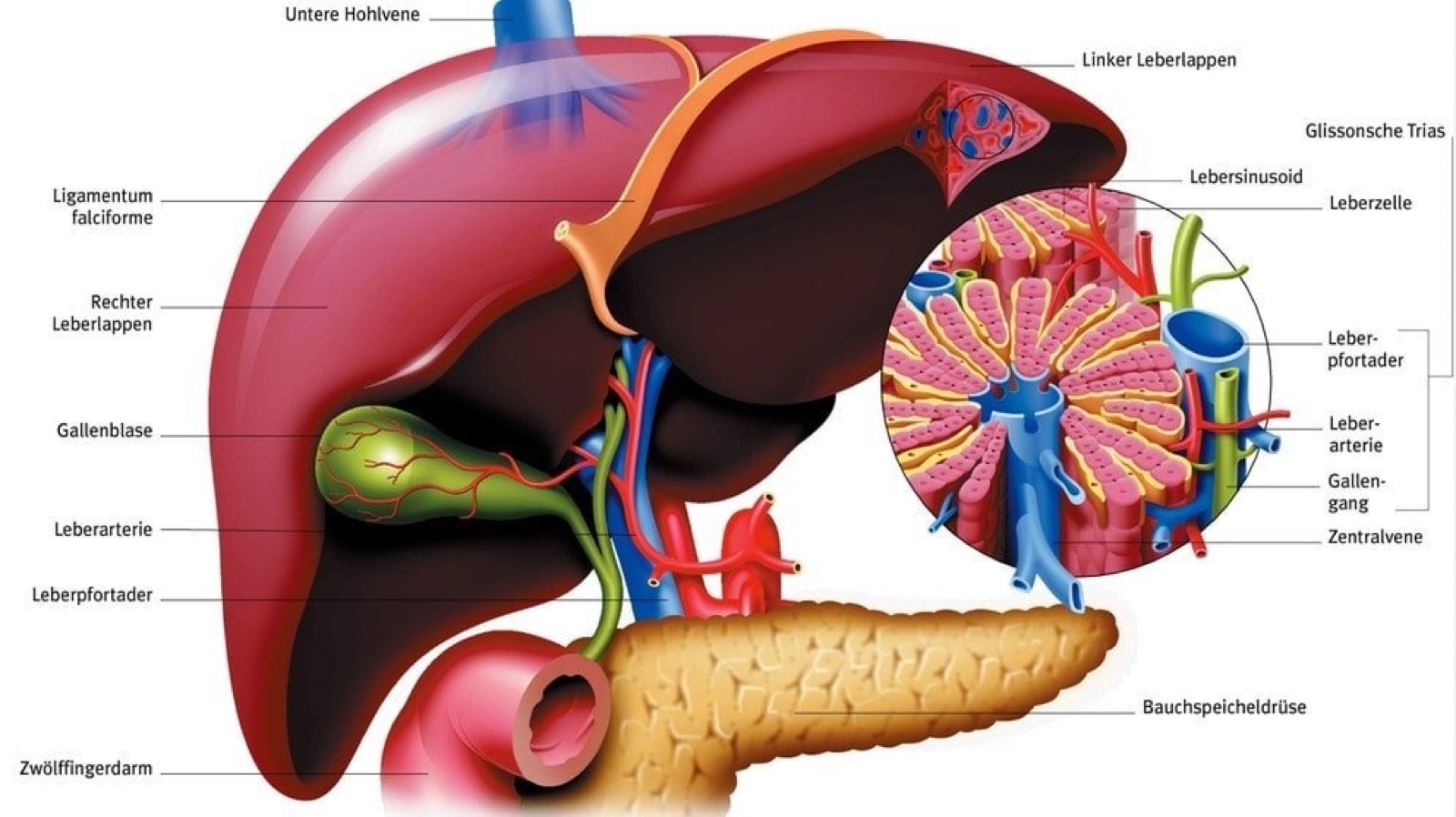
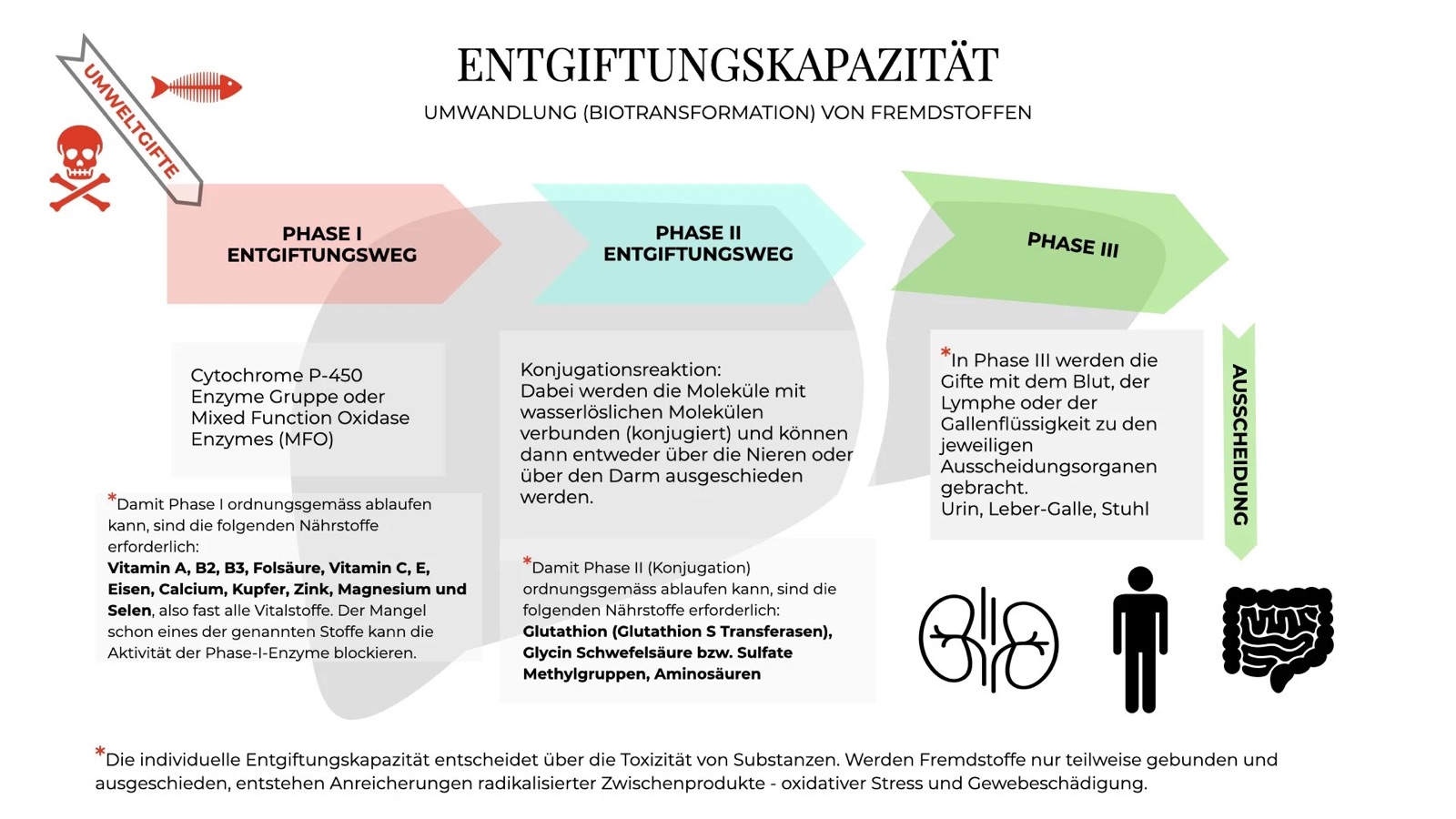
Our detoxification capacity appears to have a significant influence on our potential lifespan. It essentially consists of two phases. The body's own metabolic products as well as foreign substances (xenobiotics), which include pollutants and medications, are deactivated by a specific set of enzymes and converted into waste products that can be excreted. These detoxification processes are also referred to as detoxification (biotransformation) and usually take place in 2 stages, referred to as phase I and phase II reactions.
The body's phase I and phase II detoxification capacity
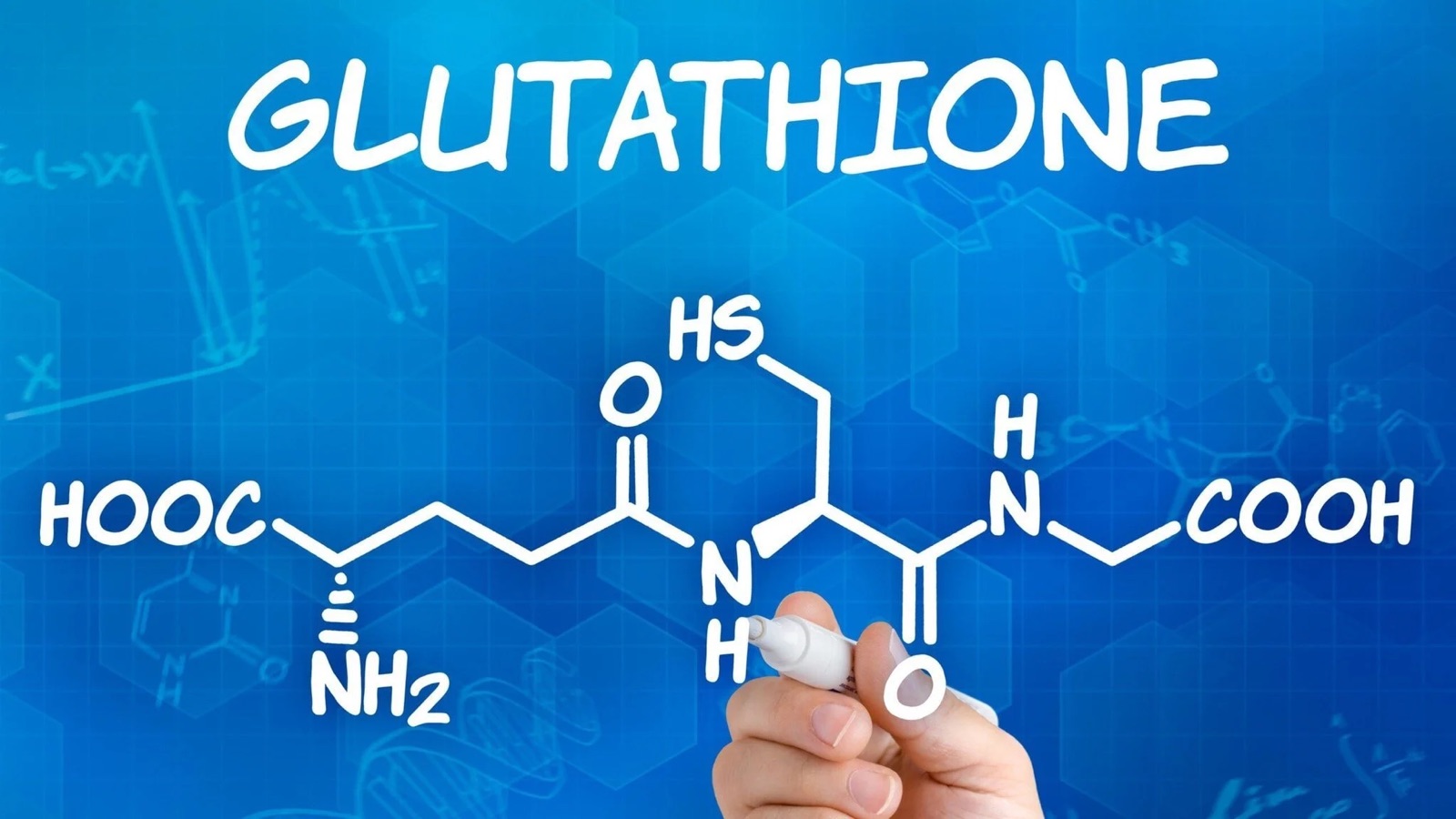
In phase I, lipophilic inert substances are often first bioactivated (functionalization) enzymatically by oxidation, reduction and hydrolysis via cytochrome P450-dependent enzymes. This increases their solubility, but also their reactivity with smaller polar endogenous molecules (such as sulfate, glutathione, glycine, glucuronic acid, acetyl), which in phase II are enzymatically coupled to the activated foreign substances (conjugation), further increasing their excretability. The detoxification process is enzymatically determined for each foreign substance. Changes in the genes of the enzymes involved in phase I and phase II, known as gene polymorphisms, can lead to an imbalance in the degradation pathway. For example, non-functional phase II enzymes and ultra-fast phase I enzymes can lead to an accumulation of highly reactive radicals that react uncontrollably with their surroundings in the cell, can cause irreparable damage in the form of adducts with lipids, proteins and DNA, and generally increase the body's burden of free radicals.
In addition to the nutrients and micronutrients required for building tissue and producing energy, people also take in an individually varying amount of foreign substances every day. These xenobiotics/toxins include drugs, environmental toxins, food additives, but also certain substances from plant metabolism, etc.
However, foreign substances can also specifically induce or weaken enzyme activities and thus lead to imbalances between phase I and phase II metabolism. The resulting disturbances are usually associated with various symptoms that are not always easy to attribute, ranging from fatigue, migraine and susceptibility to infections to cell damage, genetic changes or even tumors. The effects of medications depending on the individual's set of detoxification enzymes have been studied extensively: for example, the duration of action can change through an increase in half-life, or a drug can have a toxic effect due to a lacking or inactive phase II enzyme. Countless genetic changes in the detoxification enzyme system (called polymorphisms) are now known and can already be measured routinely by PCR.
Test – laboratory diagnostics of the body's detoxification capacity
The Detoxplus test not only records the genetic polymorphisms of the detoxification enzymes but also shows an induction or inhibition of detoxification phenotypically. Using two test substances, namely paracetamol and caffeine, the activities of 7 detoxification enzymes (pathways) are determined. Alternatively, the glutathione balance can be determined, i.e. the ratio of oxidized, used glutathione to reduced, unused glutathione. Another parameter is the activity of glutathione S-transferase, GST for short.
Restorative infusions at a glance
During a vitamin restorative course, the minerals, trace elements and vitamins the body needs are supplied directly by infusion. A vitamin infusion makes sense especially when important nutrients need to be administered in a targeted way and in high doses.
Elimination and detoxification in naturopathy
The liver is our body's actual detoxification organ. It is responsible for breaking down and rendering harmless, i.e. detoxifying, metabolic end products and all the substances and environmental toxins we take in every day. In naturopathy, infusions are described in connection with detoxification processes in the liver, mitochondrial metabolism and the elimination of heavy metals such as lead, arsenic, aluminum and mercury.
Contact
Would you like advice or to make an appointment? Then don't hesitate to get in touch with us!
Professionally responsible: Yesha Karmeli, naturopathic practitioner (Heilpraktiker), Natura Heilpraxis Berlin. This text provides general information and does not replace individual advice.