Natura
Heavy metal elimination with DMSA
What effects can heavy metals have in the body?
Amalgam, sea fish or the environmental burdens of modern industrial society: they can affect the body's enzyme systems.The effects are varied and are summarized under the term “toxic metal syndrome.” In this context, degenerative diseases, chronic fatigue syndrome (CFS) and mitochondriopathy, among others, are discussed.
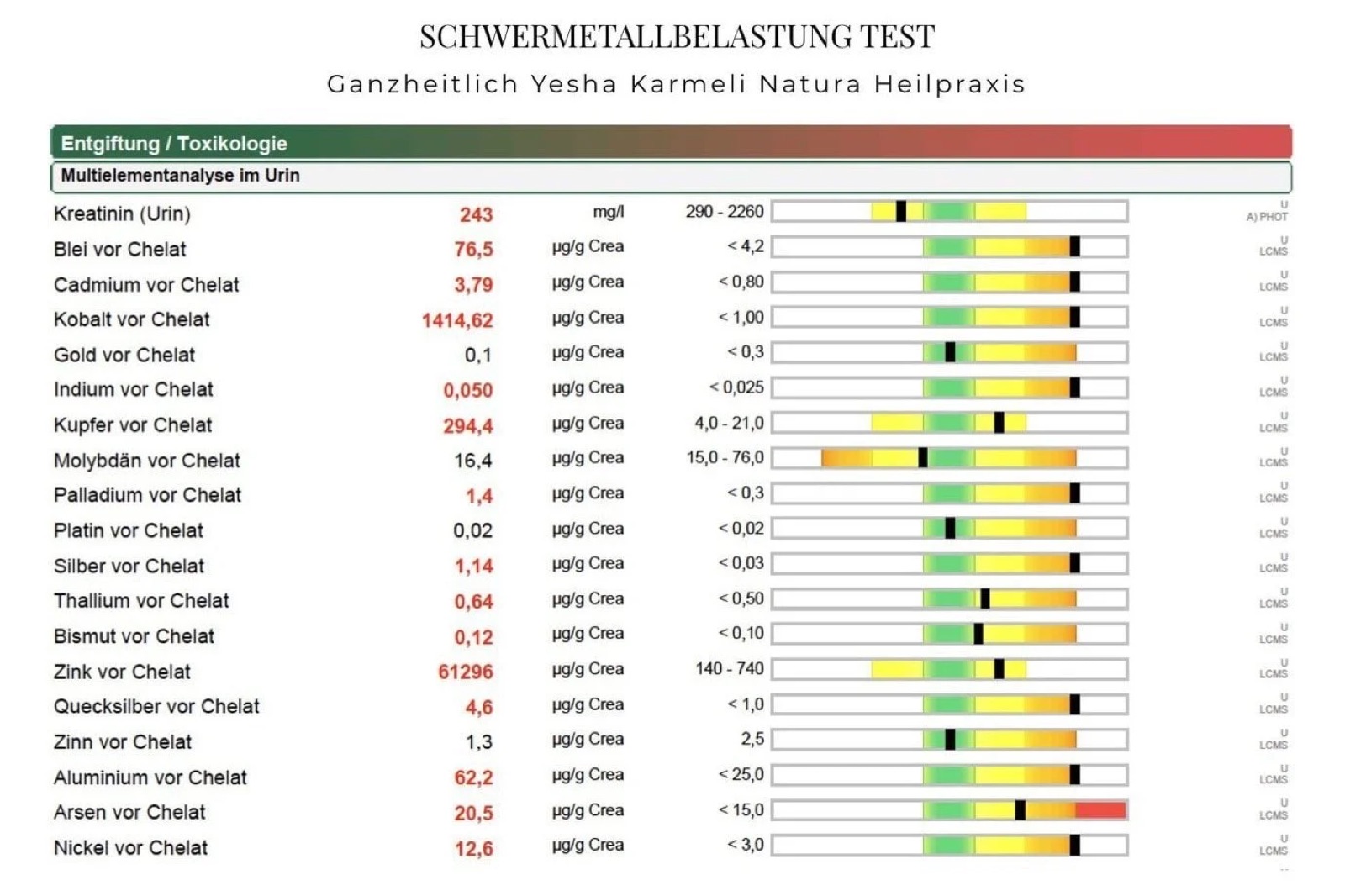
Heavy metal burden: sample DMSA analysis for chelation therapy
How do heavy metals get into our bodies?
Cigarette smoke: cadmium and nickel
Chocolate: nickel
Drinking water: copper, lead
Fish, amalgam: mercury
Chewing gum: if amalgam fillings are present: mercury
Chicken eggs, poultry, freshwater fish: mercury from fishmeal feeding
Vegetables: copper, lead, cadmium, chromium, nickel, zinc, arsenic (in rice milk) (due to fertilization with liquid manure, according to a 2004 press release from the German Environment Agency: “Too many heavy metals in liquid manure”)
Meat: via animal feed from fields fertilized with liquid manure
Are all (heavy) metals harmful?
Not all metals are harmful. Quite the contrary! Some metals are essential to life and are known to many as trace elements. They are essential for many bodily functions: calcium, magnesium and potassium for heart and nerve function and for cell metabolism in general, or zinc, chromium and selenium for enzymatic bodily functions.
Overdose and toxic metals - toxicity of heavy metals
Most metals only become toxic in overdoses, when the body cannot break them down and eliminate them on its own. Some metals become toxic when they are present in our bodies in unbound form, such as iron or copper, while other metals are highly toxic even in the smallest traces, such as mercury, lead, aluminum or arsenic. Some metals such as copper and iron are so dangerous because they are responsible for the formation of so-called free radicals.1Toxic metals cause structural cell damage, but also functional deficits, because essential trace elements are competitively displaced from their binding sites in enzymes.
Heavy metals in the body - a topic of our civilization
In nature, toxic metals such as lead, cadmium, mercury and aluminum occur only in very small quantities. Modern industry mines them, concentrates them and redistributes them throughout the environment. Food, water and air are polluted with these highly toxic substances. They tend to accumulate in the body, namely in the bones, liver, brain and kidneys, and they are very difficult to excrete.
What is the purpose of taking chelating agents?
Infusion therapy - nutrient infusions - detox infusion
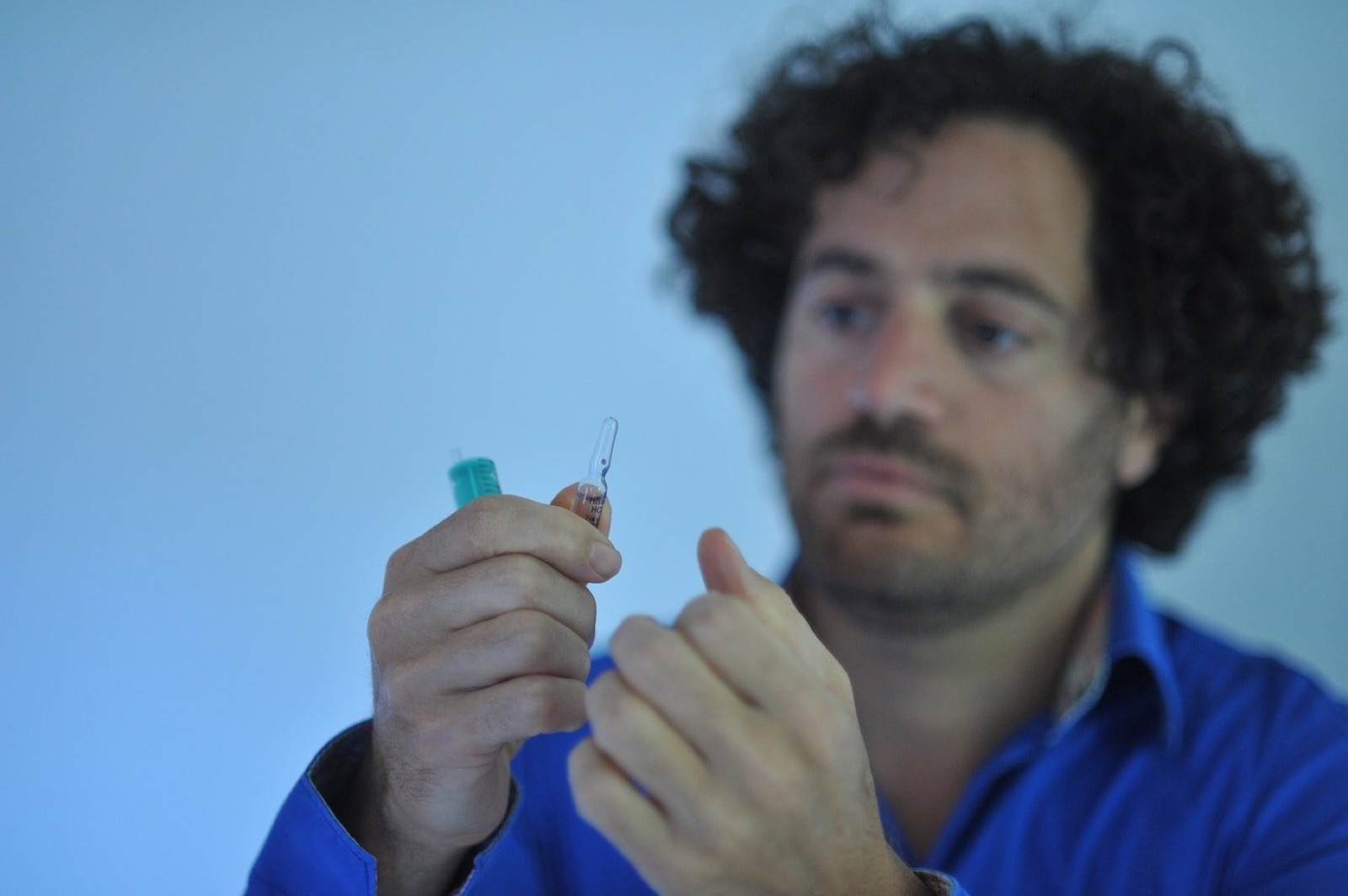
Chelators have the ability to bind free ions present in solution and thus chemically inactivate them. This property is used in metal poisoning, in that the metal ions are complexed out of the solution and their toxic effect on the organism is thereby prevented.The chelators we use for chelation therapy are mainly EDTA (ethylenediaminetetraacetate), DMSA (dimercaptosuccinic acid) or DMPS (dimercaptopropane sulfonic acid). They are used because they bind minerals as central atoms that are to be excreted. Like any procedure, chelation therapy can have side effects; we discuss these with you in advance. Some chelating agents can be taken as capsules, others, for example EDTA, are given as an infusion.
Other remedies mentioned in naturopathy in connection with heavy metals
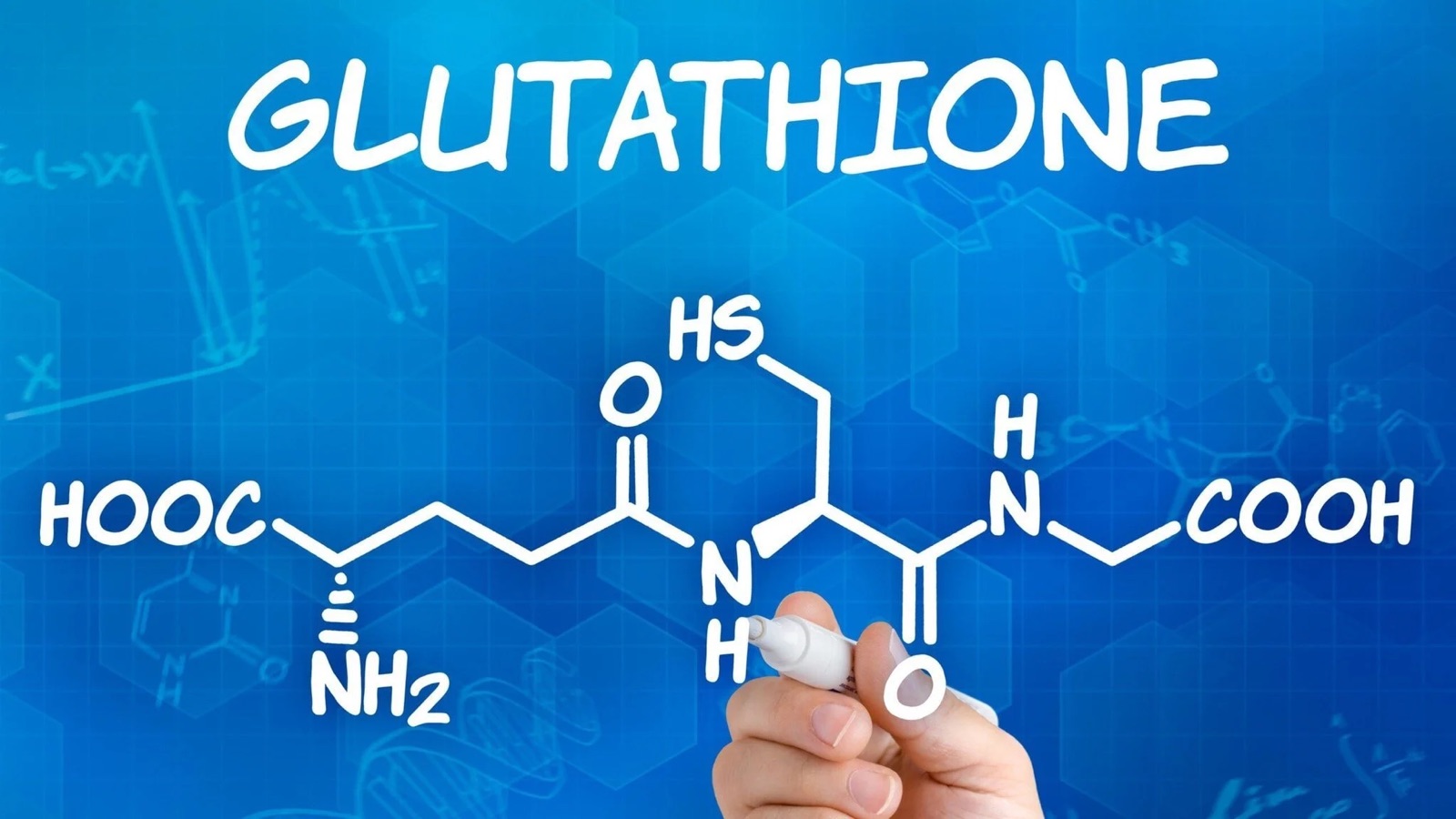
Glutathione and its amino acid building blocks cysteine, glutamic acid and glycine. Likewise MSM sulfur compounds (methylsulfonylmethane), algae, phytochelators from algae (such as chlorella), mushrooms (medicinal mushrooms are used therapeutically), plants (such as coriander, also called Chinese parsley, and wild garlic as well as garlic)
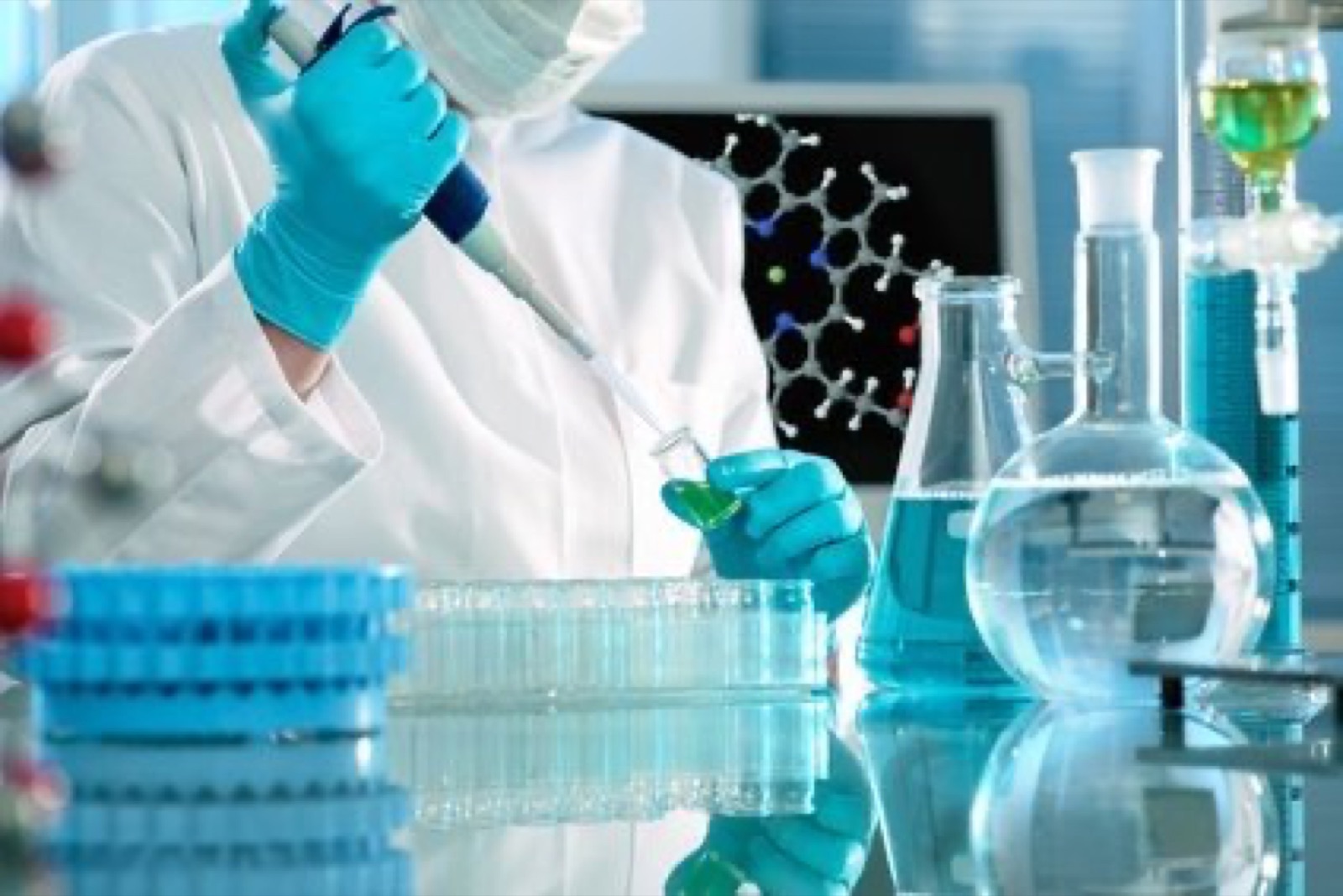
Heavy metal burden diagnostics, heavy metal testing
Heavy metal burden diagnostics
Chelate-provoked urine testing, heavy metal intoxication test or heavy metal examinationThere are various ways to determine heavy metal burdens:
Hair mineral analysis
Urine provocation test after chelation
Kinesiological testing
Chewing gum test
LTT cellular sensitization test of T lymphocytes (LTT metals)
Keeping an eye on mineral supply
It can also happen that minerals and trace elements that our body needs are excreted in the case of heavy metal burdens and during elimination procedures such as chelation therapy: copper, iron, selenium, zinc, magnesium and tin. They are enormously important for transferring energy from our food to the respiratory chains of the cells. At Natura Heilpraxis, we therefore pay attention to your mineral supply and discuss it with you individually.
Who should not take the test?
People suffering from mineral deficiency or iron deficiency, people with heart failure, people with tuberculosis, people with an acute infection, kidney dysfunction, anemia, liver dysfunction, severe cachexia.
You might also be interested in these articles: Detoxification
Contact
Would you like advice or to make an appointment? Then don't hesitate to get in touch with us!
Professionally responsible: Yesha Karmeli, naturopathic practitioner (Heilpraktiker), Natura Heilpraxis Berlin. This text provides general information and does not replace individual advice.