Natura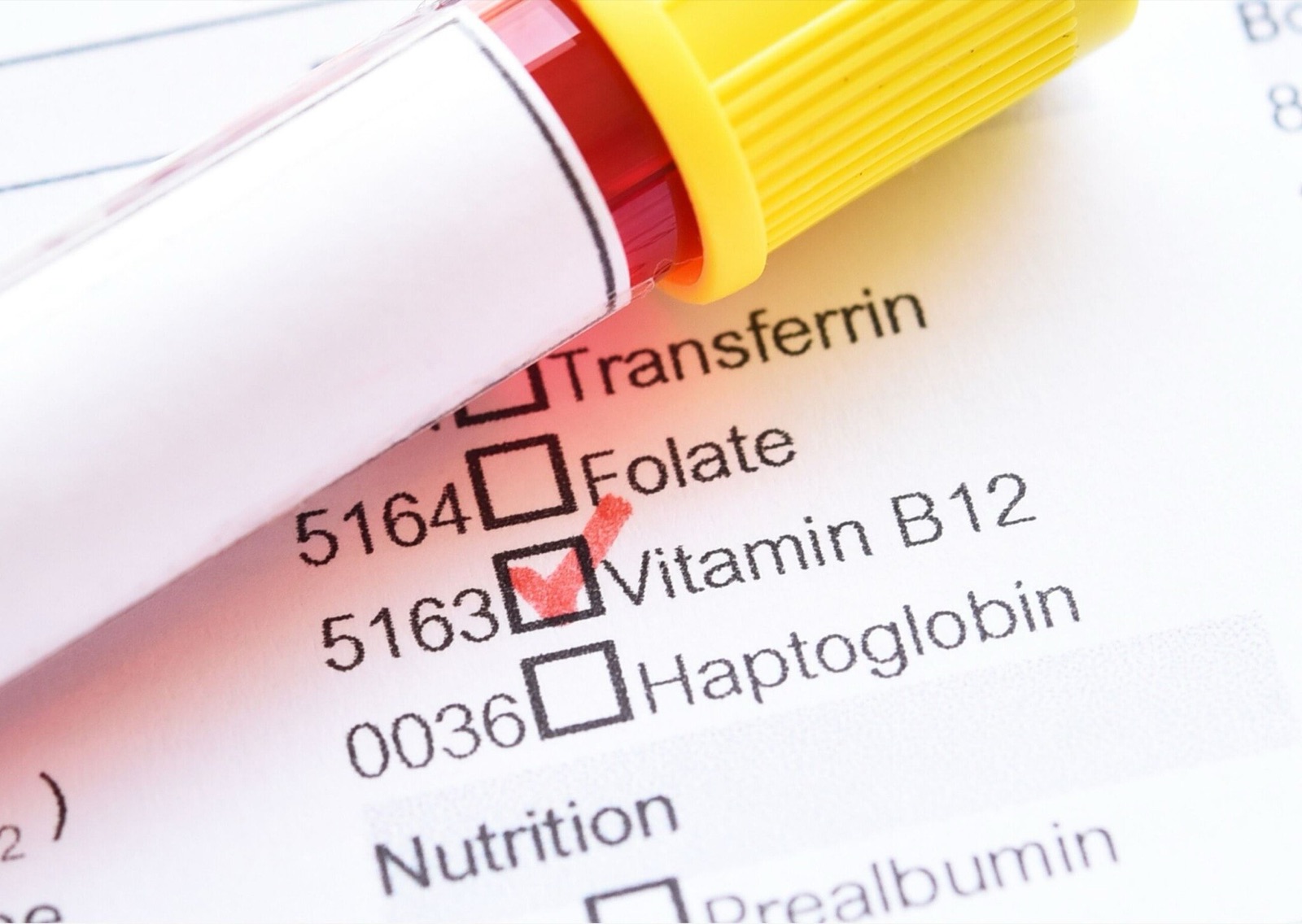
Functional Diagnostics – Looking at Biological Relationships
As part of functional diagnostics, we look at selected biochemical and physiological processes that are considered relevant in the naturopathic context for resilience, regulation and long-term health care.
Areas of focus can include:
Energy metabolism and mitochondrial function
Analysis of parameters that allow conclusions to be drawn about cellular energy availability. This is often discussed in connection with states of exhaustion, performance and aspects of longevity.
Oxidative and nitrosative stress
Recording of laboratory parameters that may be related to environmental burdens, metabolic processes and the body's own regulatory mechanisms. This is not about diagnoses, but about a functional classification of individual stress situations.
Detoxification and elimination capacity
Looking at metabolic pathways involved in the body's own excretion. In the naturopathic understanding, these aspects play a role in prevention-oriented concepts and in supporting people in chronic stress situations.
Stool diagnostics and microbiome
Examination of digestive residues, microbial parameters and indications of absorption capacity. These results are used exclusively descriptively in order to better understand functional relationships in the digestive system.
Neurotransmitter and hormonal parameters
Analysis of selected laboratory values that are considered in connection with stress processing, sleep, emotional balance and regulatory capacity.
Inflammation-related lab parameters
Supplementary consideration of markers that can provide indications of inflammatory processes.
Micronutrient check-up: vitamins, minerals, and amino acids
Another component of functional diagnostics is the analysis of selected micro- and macronutrients. These include, among others:
Vitamins
Minerals and trace elements
Amino acids
Other parameters of nutrient supply
These tests serve the objective recording of laboratory values that can allow conclusions to be drawn about the individual nutrient situation.
Arrange a free consultation appointment!
Contact form Call Book an appointment online
Laboratory diagnostics and holistic therapies – naturopathic practitioner (Heilpraktiker) in Berlin, Yesha Karmeli
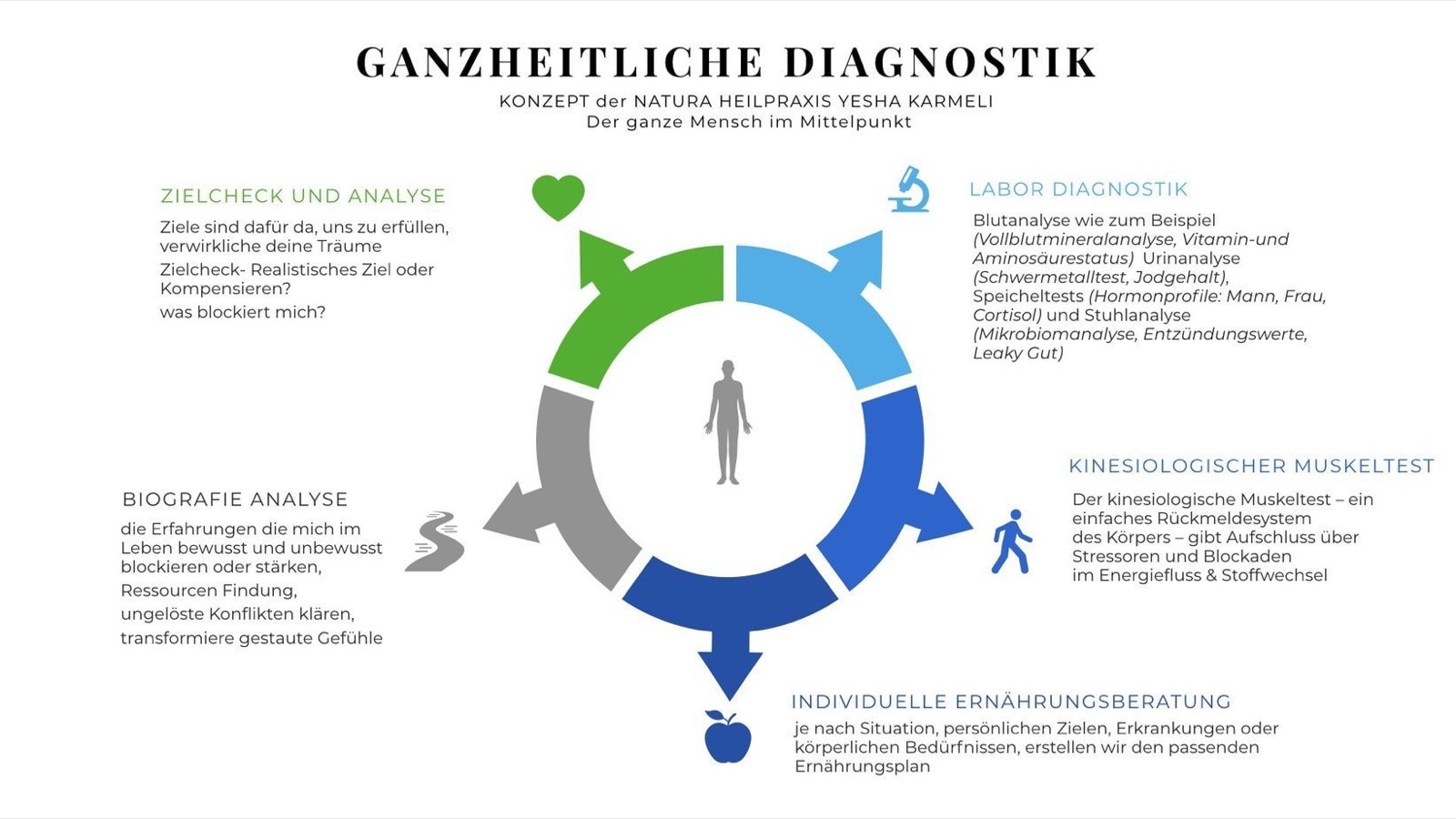
For more than 20 years, we have been working according to a holistic concept —
we combine kinesiology (muscle response testing) with conventional medical diagnostics. Our goal is to identify causes rather than to list symptoms.
Supplementary Conventional Standard Diagnostics
Where appropriate and desired, functional findings are supplemented by established conventional laboratory tests. These serve the objective classification of measured values and contribute to a transparent and responsible set of findings. A medical diagnosis is made exclusively by appropriately authorized physicians.
Kinesiological Testing in the Naturopathic Context
In addition, we use kinesiological muscle tests. This is a testing method widely used in naturopathy, in which muscle responses are interpreted as indicators of functional burdens or possible deficiencies.
These tests do not provide medical diagnoses, but serve exclusively as an orientation tool within a holistic naturopathic concept.
Diagnostics in the Context of Prevention, Longevity and Chronic Stress
Our diagnostic concept is aimed at people who would like support in the context of prevention, a health-conscious lifestyle and long-term stabilization. In chronic stress situations, too, functional diagnostics can help to better understand individual relationships and to make informed decisions about your own lifestyle.
All diagnostic procedures are explained transparently. No promises of cure are made and no statements are made about the treatment or cure of diseases.
Our diagnostic / laboratory diagnostics services include:
Blood Diagnostics
Mitochondrial diagnostics
Mitochondrial diagnostics includes laboratory parameters related to cellular energy production (ATP metabolism) and mitochondrial function. Among other things, markers of energy metabolism and oxidative stress are analyzed. The test provides laboratory values without any statement about specific diseases.
Whole blood mineral analysis
In whole blood mineral analysis, minerals and trace elements such as magnesium, zinc or selenium are determined directly in whole blood. In contrast to serum diagnostics, it also reflects intracellular fractions. The results serve the individual assessment of mineral status.
Vitamin status
Vitamin analysis covers selected fat- and water-soluble vitamins, e.g. vitamin D, vitamin B12 or folic acid. The determination is carried out in the laboratory and represents a snapshot. No conclusions about causes or therapies can be derived from it.
Amino acid profile
The amino acid profile examines essential and non-essential amino acids in the blood. These parameters are related, among other things, to metabolic processes, muscle metabolism and neurotransmitter precursors. The analysis serves as supplementary laboratory information.
Heavy metal test (blood)
Heavy metal analysis covers selected metals such as mercury, lead or cadmium in the blood. The measured values show concentrations at the time the sample was taken.
Thyroid and hormone diagnostics (blood)
Thyroid laboratory diagnostics can include parameters such as TSH, free T3 (fT3), free T4 (fT4) and reverse T3 (rT3). Further hormone parameters can also be analyzed. The values serve the laboratory representation of hormonal constellations.
Kidney and liver parameters
These include laboratory values such as creatinine, urea, GOT, GPT or GGT. They reflect organ functions in the form of measurable laboratory parameters and do not replace a medical diagnosis by a physician.
Inflammatory markers (incl. interleukin profiles)
Inflammation markers are laboratory parameters that can provide indications of inflammatory or immunological activity in the body. Frequently tested values include CRP, hs-CRP and selected interleukins (e.g. IL-6, IL-1β, IL-8, IL-10).
Histamine-related diagnostics
Histamine-related laboratory diagnostics can include parameters such as DAO activity or histamine levels.
Urine Diagnostics
Heavy metals in urine
Urine analysis makes it possible to determine certain metals via excretion. It is non-invasive and is often used as a supplement to blood diagnostics.
Organic acids
The analysis of organic acids in urine provides indications of metabolic intermediates, e.g. from energy metabolism or micronutrient requirements.
Iodine
Iodine determination in urine serves to assess the current iodine supply. It is a point-in-time measurement.
Neurotransmitter and tryptophan metabolism
Urine diagnostics of neurotransmitters and their precursors allows the laboratory recording of selected messenger substances and metabolic pathways. Among others, serotonin, dopamine, adrenaline, noradrenaline and their metabolites can be examined. In addition, parameters of tryptophan metabolism, including IDO activity (indoleamine 2,3-dioxygenase), can be analyzed, which reflects the breakdown pathway of tryptophan towards kynurenine.
The results represent a biochemical snapshot and provide indications of neurochemical metabolic constellations.
Stool Diagnostics
Microbiome / gut flora
Microbiome analysis examines the composition of the intestinal flora based on selected bacterial groups and strains. Quantitative and qualitative parameters of the intestinal microorganisms are recorded. The test describes the current composition of the intestinal flora.
Intestinal barrier (incl. zonulin)
To assess the intestinal barrier, laboratory markers such as zonulin can be determined. Zonulin is a protein associated with the regulation of the so-called tight junctions of the intestinal mucosa. Elevated or reduced values do not represent a diagnosis, but a laboratory indication of barrier function.
Calprotectin
Calprotectin is an inflammation-associated protein that can be measured in the stool. It serves as a non-specific marker for inflammatory processes in the intestine.
Candida, histamine, parasites
Other stool parameters can include yeasts (e.g. Candida), histamine-related markers or parasitic structures. The analysis serves the laboratory-based representation of intestinal parameters without any therapeutic statement.
Kinesiological muscle testing
The kinesiological muscle test is a naturopathic testing method for the orienting assessment of functional relationships in the body. It is based on manual testing of muscle tension under defined stimulus conditions. The results do not constitute a medical diagnosis and serve exclusively as supplementary information.
Frequently Asked Questions about Diagnostics (FAQ)
Do I need an appointment for a blood draw?
Yes, we expressly recommend making an appointment in advance.
This allows procedures to be coordinated and sufficient time to be scheduled. It also makes sense to take a case history before the blood draw in order to select specifically those tests that appear appropriate for your situation. Make an appointment
Should I prepare for a blood draw?
As a rule, we recommend refraining from dietary supplements for one to two days before the blood draw, unless otherwise agreed. This helps to record the laboratory values as accurately as possible.
Do I need to fast for the diagnostics?
That depends on the respective test.
For questions about sugar metabolism or certain metabolic parameters, it is usually advisable to come to the blood draw on an empty stomach. Whether this is necessary in your case will be communicated transparently in advance.
Do I need to come to the practice for stool, urine, or saliva tests?
No.
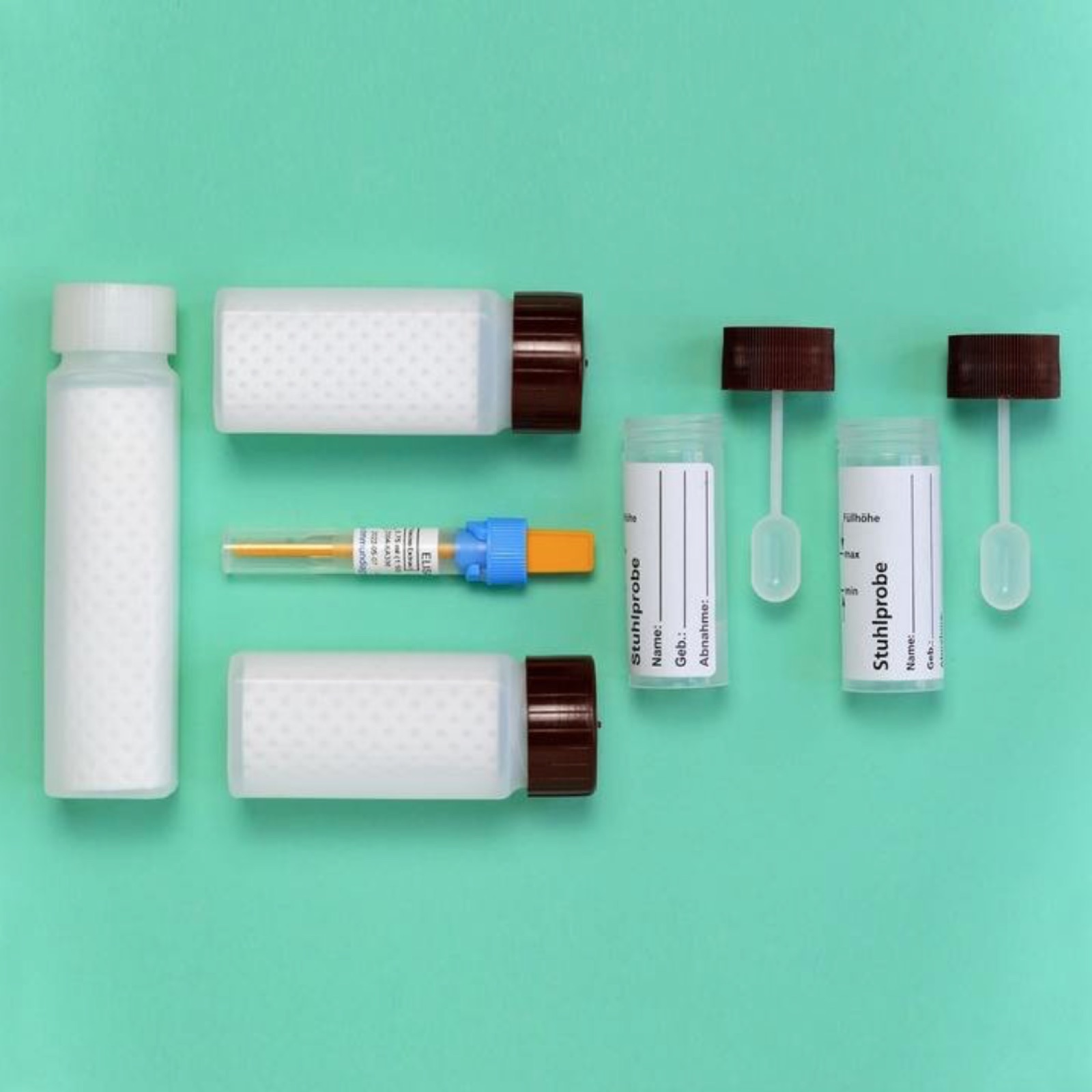
For these diagnostics, you will receive a complete test kit from us containing all the necessary materials and easy-to-understand instructions. You can take the samples at your leisure at home and then send them to the commissioned laboratory.
Are micronutrients such as vitamins, minerals, and amino acids tested as well?
Yes.
As part of functional diagnostics, vitamins, minerals, trace elements and amino acids can be analyzed. These tests serve the objective recording of your individual nutrient situation and are always considered in the overall context.
Do you also offer epigenetics tests?
Yes.
Epigenetic tests can be useful for certain questions, for example in the context of prevention, longevity-oriented concepts or for a more in-depth look at individual regulatory mechanisms. Whether such a test is indicated is something we clarify in a personal conversation.
Are there heavy metal or toxic load tests?
Yes.
Heavy metal and exposure tests are part of our diagnostic spectrum. They are carried out exclusively as part of a structured procedure and are performed in the practice, for example as a provocation test in connection with a chelation infusion. They are only carried out after individual clarification.
Are there ready-made diagnostic profiles for prevention and longevity?
Yes.
We offer structured basic diagnostic profiles that take into account functional parameters that are relevant from our holistic naturopathic perspective. These profiles serve preventive orientation, long-term stabilization and conscious health care in the sense of longevity.
Do the diagnostics replace a medical examination?
No.
All diagnostic procedures offered serve as a supplement and functional classification in the naturopathic context. They do not replace medical diagnosis, therapy or treatment by a physician.
Transparency and Responsibility
All diagnostic services are explained in an understandable way. No promises of cure, effect or success are made. The selection and interpretation of diagnostics is carried out responsibly and always within the framework of legal requirements.
Our services
-

Basic Check-up Maxi
We offer you comprehensive, holistic diagnostics. Numerous laboratory parameters are examined from head to toe; we then discuss the results with you and, if you wish, present individually tailored programs.
REGISTER NOW -

Basic Check-up Mini
We offer you comprehensive, holistic diagnostics. Numerous laboratory parameters are examined from head to toe; we then discuss the results with you and, if you wish, present individually tailored programs.
REGISTER NOW -

Gut Check-up
We offer you comprehensive gut diagnostics with laboratory parameters on digestion, intestinal flora and intestinal mucosa. We discuss the results with you in detail.
REGISTER NOW -

Neurovegetative Check-up
We offer you a comprehensive determination of neurotransmitters and tryptophan metabolism to gain targeted insight into your laboratory values. We discuss the results with you in detail.
REGISTER NOW -

Detox Check-up
We offer you comprehensive laboratory diagnostics, including heavy metals and metabolic pathways involved in the body's own excretion. We discuss the results with you in detail.
Register now
Vitamins & Trace Elements
Laboratory CHECK-UP
Micronutrient medicine (synonym: vital substance medicine) deals with the body's supply of vital substances.
MORE


Frequently asked questions
Which samples are analyzed?
Blood, stool, saliva or urine, depending on which question is the focus of the initial consultation.
How do I get started?
With an initial case history: 30 minutes cost €75, 60 minutes €150. During this session, we clarify which analyses make sense.
Will the results be explained to me?
Yes. We discuss the values calmly and put them into context for your situation. This discussion does not replace a medical diagnosis by a physician.
Professionally responsible: Yesha Karmeli, naturopathic practitioner (Heilpraktiker), Natura Heilpraxis Berlin. This text provides general information and does not replace individual advice.