Natura
Environmental burdens
Today, the human organism is increasingly exposed to environmental stress, pollutants and oxidative stress. These burdens can arise both exogenously (e.g. from environmental toxins, heavy metals, pesticides, air pollution) and endogenously (from metabolic processes and inflammation). The body has highly developed mechanisms to neutralize and excrete these pollutants – a process we call detoxification or detox.
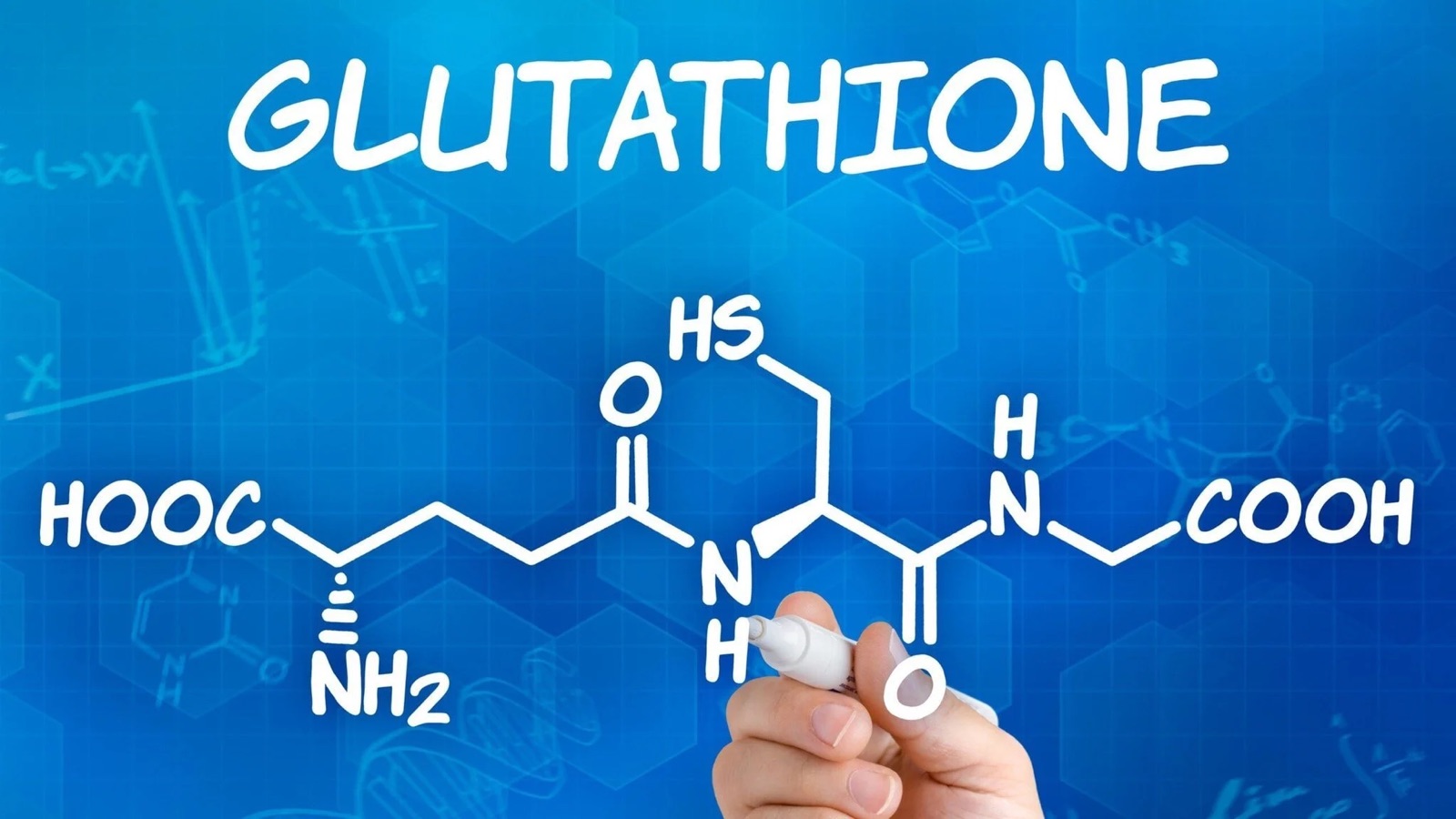
In our practice, detoxification plays a central role – both preventively and as part of therapeutic measures. A central topic here is glutathione metabolism, which is considered the basis of the body's own detoxification and also plays an important role in longevity concepts, i.e. concepts relating to health and longevity.
Glutathione metabolism comprises various enzyme systems that work closely together to neutralize free radicals, render toxic substances harmless and protect the body from cell damage. Two of these central enzymes are superoxide dismutase (SOD) and glutathione peroxidase (GPx). Below, we take a closer look at their function and significance:
Superoxide dismutase (SOD)
SOD is a family of enzymes that convert highly reactive oxygen species – so-called superoxide radicals (O₂⁻) – into hydrogen peroxide (H₂O₂). This conversion is crucial, as superoxide radicals are highly harmful and can cause oxidative cell damage.
There are various isoforms of SOD, each requiring different cofactors:
Cu/Zn-SOD (SOD1):
Located in the cytoplasm of the cells and requires copper and zinc as cofactors.
Mn-SOD (SOD2):
Located in the mitochondria and uses manganese as an essential cofactor. This form is particularly important, as mitochondria are the main sites where free radicals are produced.
Fe-SOD (SOD3):
Found in the extracellular matrix and uses iron as a cofactor.
Significance for detoxification:
SOD is the first line of defense against oxidative stress, converting the highly reactive superoxide radical into a less harmful intermediate
Glutathione peroxidase (GPx)
GPx is a family of enzymes that breaks down hydrogen peroxide (H₂O₂) and organic peroxides with the help of reduced glutathione (GSH) into water (H₂O) and harmless compounds. In this way, the H₂O₂ formed by SOD is further detoxified.
During this reaction, reduced glutathione (GSH) is converted into oxidized glutathione (GSSG) and must then be regenerated by the enzyme glutathione reductase.
There are two main forms of GPx:
Selenium-containing GPx:
Contains selenium as an essential cofactor. These enzymes are indispensable for detoxifying hydrogen peroxide and protecting against oxidative stress.
Non-selenium GPx:
These forms use other reducing agents and are mainly important for neutralizing organic peroxides.
Significance for detoxification:
GPx protects cells from damage caused by peroxides, which are formed in many inflammatory processes and in the metabolism of environmental toxins.
Interplay of SOD and GPx in glutathione metabolism
Synergistic protective mechanism:
SOD and GPx work closely together: SOD converts the dangerous superoxide radical into hydrogen peroxide, which in turn is detoxified by GPx. This cascade is vital, as an accumulation of hydrogen peroxide would in turn be harmful.
Deficiencies and consequences:
A selenium deficiency, which is increasingly observed in industrialized societies, can significantly limit GPx activity. The result is insufficient detoxification of hydrogen peroxide, which in turn can lead to chronic oxidative stress – a central factor in cell aging, chronic inflammation and degenerative diseases.
Sources and scientific background:
Flohé, L., & Günzler, W. A. (1984). Glutathione peroxidase. In: Methods in Enzymology, 105, 114–121.
Fridovich, I. (1995). Superoxide radical and superoxide dismutases. Annual Review of Biochemistry, 64, 97–112.
Brigelius-Flohé, R., & Maiorino, M. (2013). Glutathione peroxidases. Biochimica et Biophysica Acta (BBA) - General Subjects, 1830(5), 3289–3303.
Valko, M. et al. (2007). Free radicals and antioxidants in normal physiological functions and human disease. International Journal of Biochemistry & Cell Biology, 39(1), 44–84.
Glutathione metabolism and the antioxidant systems at the center of our holistic detoxification strategy
About our detoxification program:
In our practice, glutathione metabolism and the antioxidant systems are at the center of our holistic detoxification concept. Our structured detox program comprises two central phases:
Phase 1: focus on glutathione metabolism
Assessment of antioxidant enzyme systems (SOD, GPx, catalase)
Supplementation of cofactors such as selenium, manganese, zinc
Approaches relating to mitochondrial function
Nutritional counseling with a view to glutathione synthesis
Phase 2: detoxification concept
Use of chelating agents for heavy metal elimination
Glutathione infusions (glutathione administered as an infusion)
Combination with bioresonance therapy, tissue massage, heat therapy and colon hydrotherapy
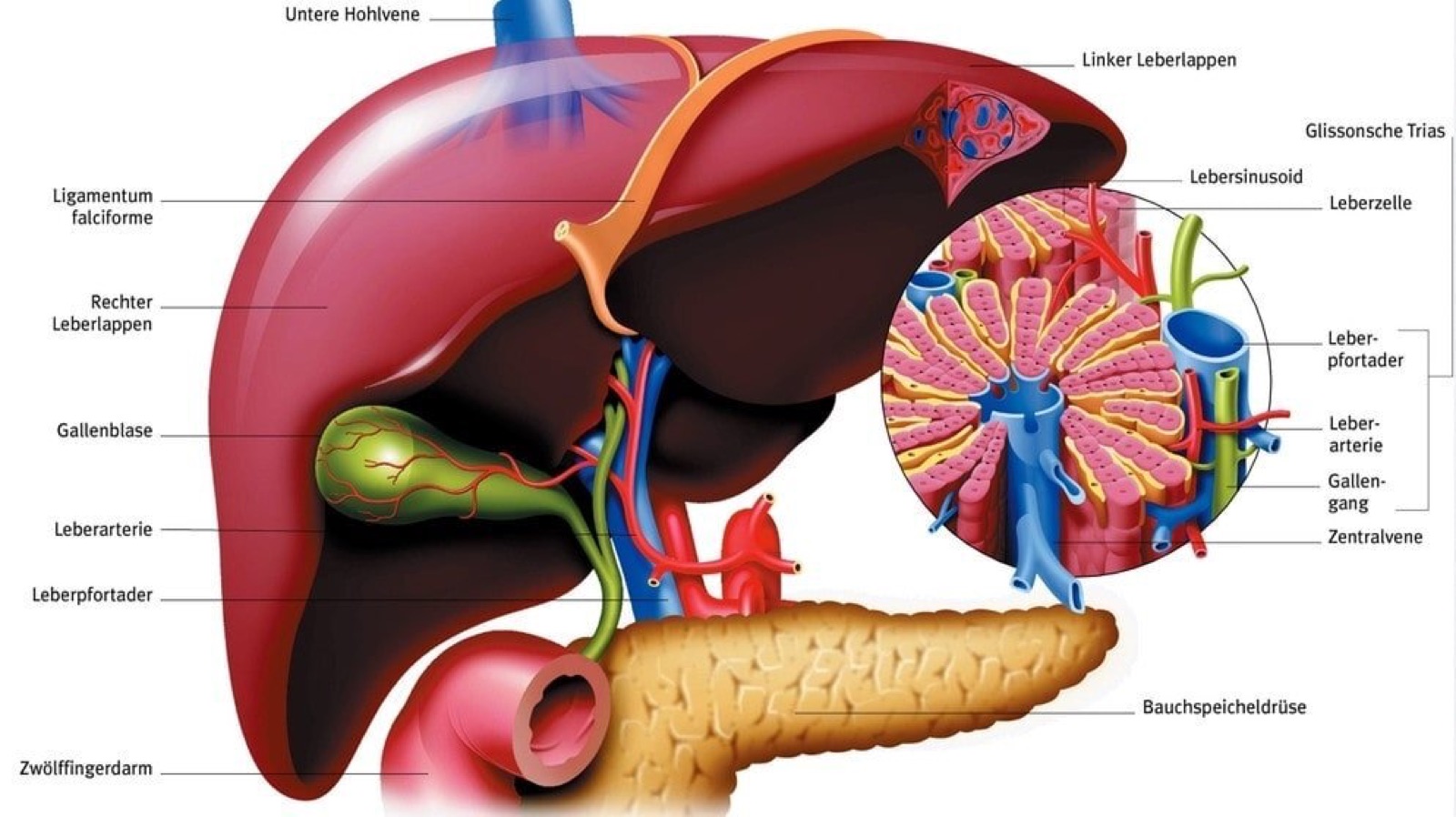
Individually tailored combinations of micronutrients and plant extracts with a view to the elimination organs (liver, kidneys, intestines)
If you are interested in our detoxification program or would like to know the current state of your glutathione system, please feel free to contact us. We offer individual diagnostics and tailored therapy concepts.
Professionally responsible: Yesha Karmeli, naturopathic practitioner (Heilpraktiker), Natura Heilpraxis Berlin. This text provides general information and does not replace individual advice.