Natura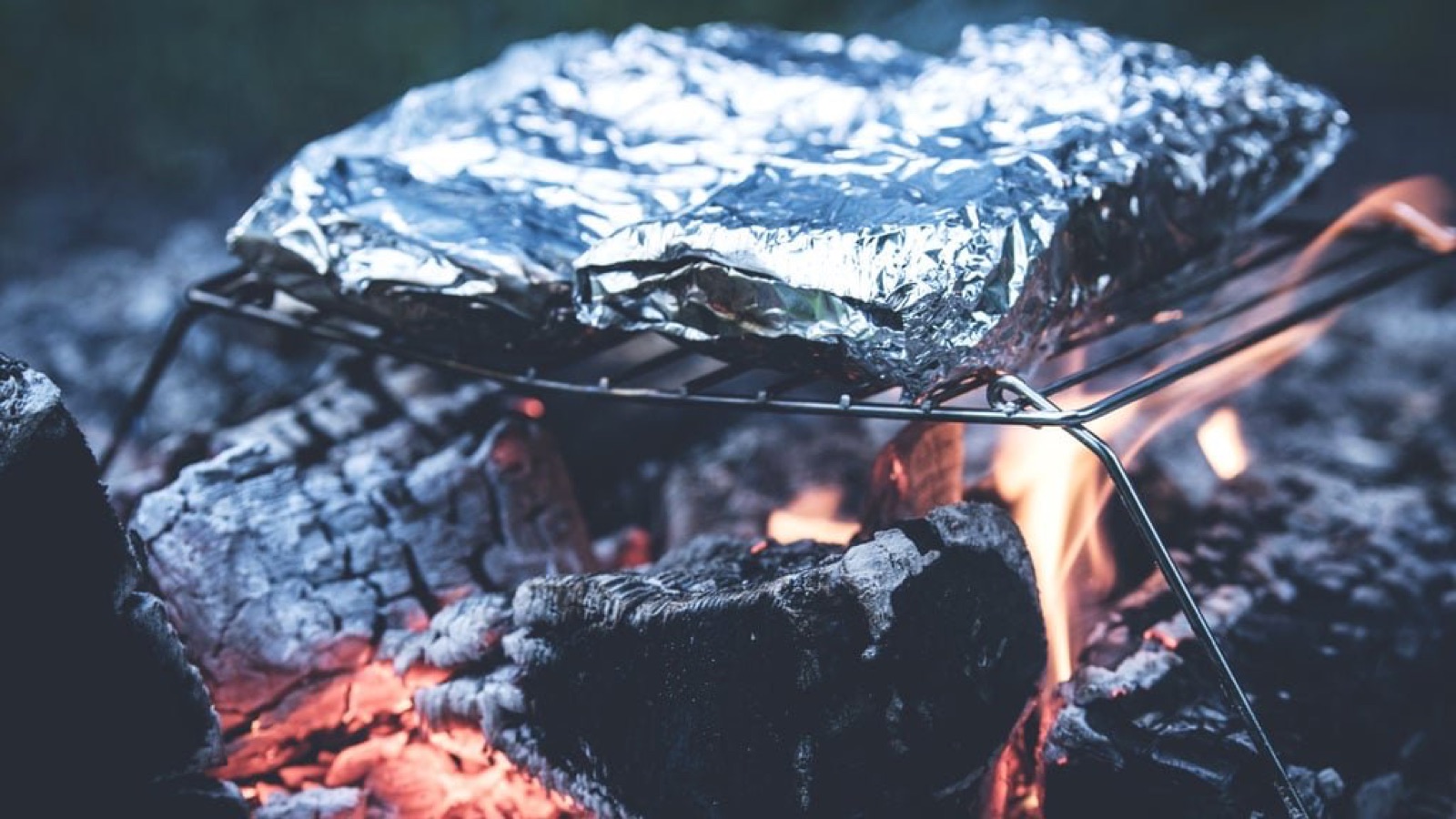
Aluminum has become an indispensable part of our everyday lives. It is ubiquitous, and exposure can hardly be avoided. Among other things, it is also used in the food industry. Aluminum is used as a food additive and as an ingredient in cosmetics, vaccines and medicines. A possible connection between aluminum and Alzheimer's disease or allergies is discussed in studies.
Possible sources of aluminum
- in food
Natural, unprocessed foods usually contain only very small amounts of aluminum, although levels can vary depending on growing conditions and origin.Aluminum-based food additives can greatly increase aluminum intake from food. In the European Union, both aluminum as a coloring agent (E173) and a number of aluminum compounds are approved as food additives. Specifically, these are the stabilizers aluminum sulfate (E520), sodium aluminum sulfate (E521), potassium aluminum sulfate (E522) and aluminum ammonium sulfate (alum) (E523), the silicates used as anti-caking agents sodium aluminum silicate (E554), potassium aluminum silicate (E555) and calcium aluminum silicate (E556), as well as aluminum silicate (E559) as a carrier. Aluminum lakes are also approved and are used as additives in sweets, baking mixes, processed cheese, baking powder, coffee creamer, etc.In tests, even industrially produced infant formula based on milk powder and soy sometimes showed aluminum levels up to 400 times higher than breast milk.
- in drinking water
Water treatment plants use aluminum compounds to "loosen" dirt particles so that they get caught in filters and only the "purified" water passes through. According to aluminum expert Christopher Exley, 0.2 mg of dissolved aluminum per liter is enough to kill young fish.
- in packaging materials
Studies have shown that when cooking with aluminum foil, ions dissolve and pass into the food. Pretzel pastries baked on aluminum usually contain increased levels of aluminum. Canned beer and soft drinks can also be sources of bioavailable aluminum. Although the cans are lined with a plastic layer on the inside, carbonated drinks can attack this layer and dissolve aluminum.
- in cosmetics
An incredible 130 aluminum-containing ingredients have been found in a wide range of cosmetic products, such as shampoo, nail polish, toothpaste, make-up, mascara, eye shadow, eyeliner, eyebrow pencils, sunscreen, skin care creams, lipsticks, hair dyes, etc. Aluminum is also used because of its antiperspirant effect.
Medicines & vaccines
In the past, there were repeated scandals involving aluminum in medicines and as an additive in vaccines. In the 1970s, there was the so-called case of "dialysis dementia". Persistently elevated aluminum levels were observed in people with chronic kidney failure. The source of the intoxication was unclear. Eventually, physicians found an increased concentration of aluminum in the water of the dialysis fluid. This often occurred in areas where aluminum compounds were used for "flocculation" in drinking water treatment.
Naturopathic concepts on the topic of aluminum
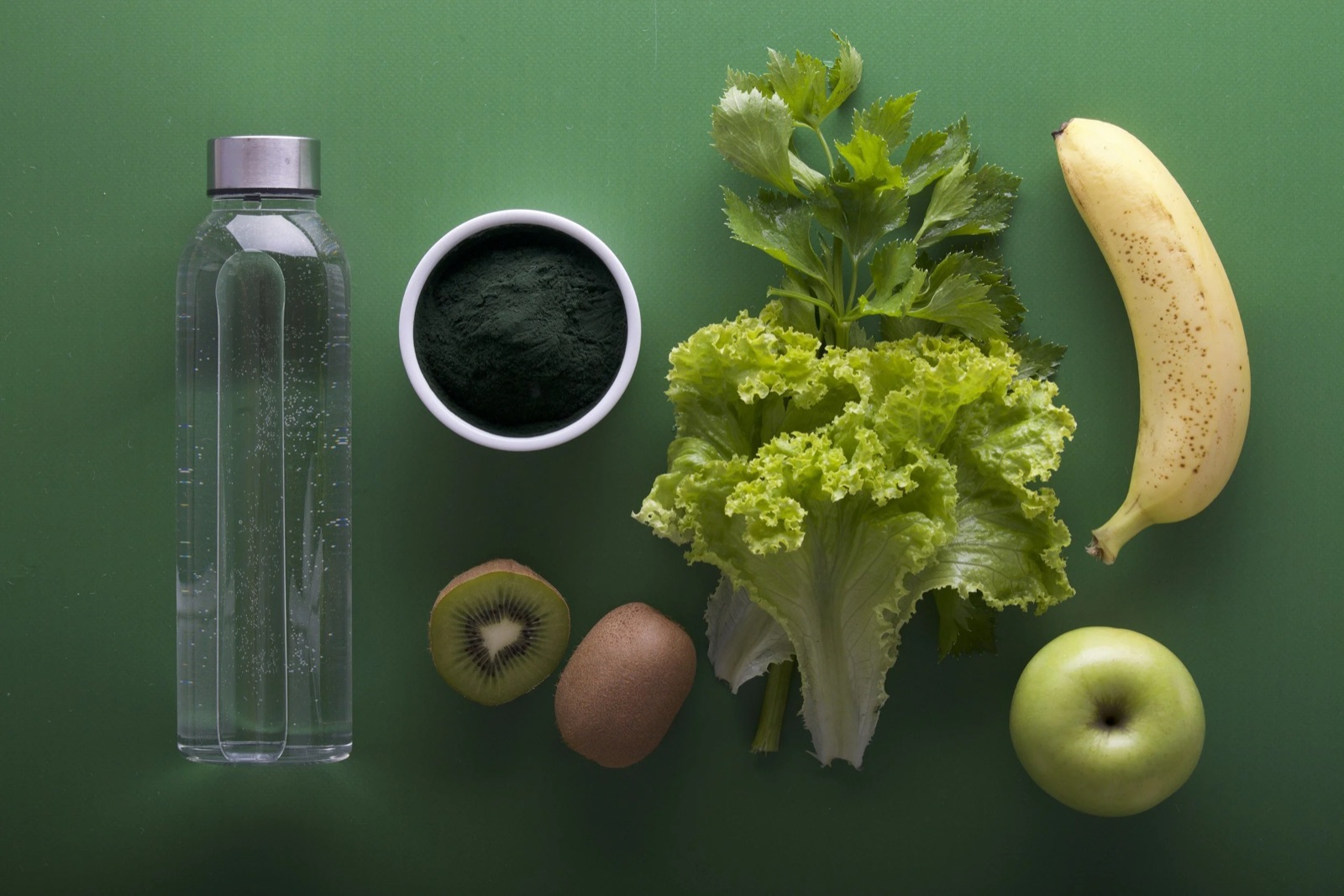
In naturopathy, the intestines, liver, kidneys and skin are regarded as organs of elimination. To determine the metal load, we carry out a chelation test. For this purpose, around 35 parameters, including around 21 potentially toxic elements, are examined in the spontaneously excreted urine. As part of chelation therapy, infusions with chelating agents are given. This is followed by infusions with vitamins and minerals, e.g. vitamin B6, C and E as well as folic acid, zinc, selenium, calcium and magnesium. In addition, we offer several sessions of colon hydrotherapy (colon rinses) in our practice. We also offer sessions in our infrared sauna as well as a liver and gallbladder program based on a naturopathic concept. Whether and at what intervals a detox program based on a naturopathic concept is an option is something we discuss individually. Prevention also involves keeping further intake of aluminum in everyday life as low as possible. In addition, we recommend changing your diet to include plenty of fresh fruit and vegetables, also in the form of smoothies and fresh fruit and vegetable juices.
Chelation therapy
Mobilization test: for this purpose, certain blood and urine tests are carried out before the start of the heavy metal therapy. These tests are carried out not only before the start of the therapy but also during its course. More...
Professionally responsible: Yesha Karmeli, naturopathic practitioner (Heilpraktiker), Natura Heilpraxis Berlin. This text provides general information and does not replace individual advice.