Natura
Every cell performs different tasks, yet they all have one thing in common: they need energy in the form of adenosine triphosphate (ATP) to carry out their functions.
The human body consists of about 230 different cell types, each of which has a specific function. These cells are distributed across various organs and tissues and help maintain the many biological processes necessary for survival. The most important cell types include brain cells, liver cells, muscle cells, skin cells and germ cells. Although each of these cells performs different tasks, they all have one thing in common: they need energy in the form of adenosine triphosphate (ATP) to carry out their functions.
1. Brain Cells (Neurons)
Brain cells, or neurons, are responsible for signal transmission in the nervous system. They enable thinking, memory and the control of movement. A lack of ATP in neurons can lead to difficulty concentrating, depression and general exhaustion. This is because signal transmission in the brain is an energy-intensive process that depends on a constant supply of ATP.
2. Liver Cells (Hepatocytes)
Liver cells play a central role in detoxifying the body, producing bile and metabolizing nutrients. A lack of ATP in liver cells can cause disturbances in detoxification and digestive problems. Without sufficient energy, the liver cannot carry out its numerous functions effectively, which leads to an accumulation of toxins and inefficient use of nutrients.
3. Muscle Cells (Myocytes)
Muscle cells are responsible for movement and the generation of force in the body. Here, ATP is crucial for muscle contraction and relaxation. A lack of ATP in muscle cells can lead to muscle fatigue, weakness and reduced physical performance. Without enough energy, the muscles cannot work efficiently, which impairs mobility and strength.
4. Skin Cells (Keratinocytes)
Skin cells provide protection against external influences and play a role in temperature regulation and wound healing. A lack of ATP in skin cells can impair the skin's ability to regenerate, leading to slower wound healing and increased susceptibility to skin diseases. Energy supply is crucial for maintaining the integrity and health of the skin.
5. Germ Cells (Gametocytes)
Germ cells are responsible for reproduction. In men, these are the sperm cells, and in women, the egg cells. A lack of ATP in these cells can lead to fertility problems. Without sufficient energy, sperm can lose their motility, and egg cells can lose their ability to divide and develop, which reduces the chances of successful fertilization and pregnancy.
The Role of ATP in Cell Metabolism
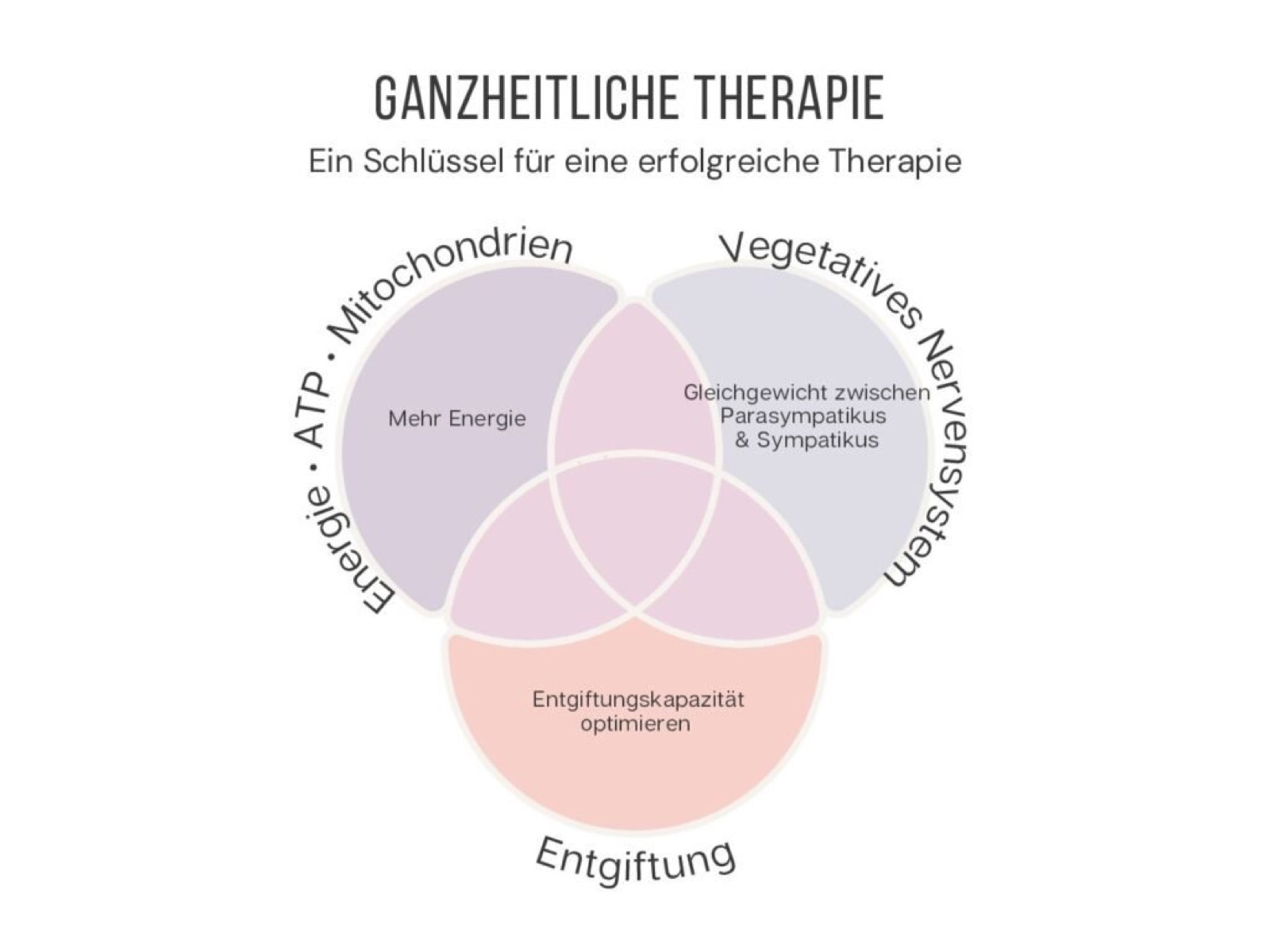
ATP, or adenosine triphosphate, is the central molecule of energy metabolism in all living cells. It is produced in the mitochondria and serves as an immediately available source of energy for numerous biochemical processes. ATP is involved in muscle contractions, cell division, signal transmission and many other vital functions. Without ATP, cells would not be able to maintain their functions, which would lead to failure of the organ systems and ultimately to death.
Ensuring adequate ATP production is therefore of crucial importance for the health and vitality of the entire body. Factors such as diet, physical activity and general lifestyle can influence ATP production. A healthy and balanced life thus contributes significantly to maintaining energy production and the optimal functioning of the cells.
Diagnostic Options for Measuring Mitochondrial Activity and ATP Production
In medical practice, there are various diagnostic options for measuring the activity of the mitochondria and ATP production. These diagnostics help assess the energetic health of the cells and take appropriate measures:
ATP profile: Measurement of ATP production in the cells to assess mitochondrial function.
Mitochondrial function analysis: Determination of the efficiency of the mitochondria in energy production.
Vitamins and minerals: Analysis of the levels of essential vitamins and minerals needed for energy metabolism.
Amino acid profile: Assessment of the concentrations of amino acids required for the citric acid cycle and ATP production.
Detoxification capacity: Testing the body's ability to eliminate toxins and reduce the burden on the mitochondria.
Important Vitamins, Minerals and Amino Acids for the Citric Acid Cycle and ATP Production
| Category | Example | Function in the citric acid cycle and ATP production |
|---|---|---|
| Vitamins | Vitamin B1 (thiamine) | Co-factor for enzymes in the citric acid cycle |
| Vitamins | Vitamin B2 (riboflavin) | Component of FAD, important for the respiratory chain |
| Vitamins | Vitamin B3 (niacin) | Component of NAD+, important for redox reactions |
| Vitamins | Vitamin B5 (pantothenic acid) | Component of CoA, important for the citric acid cycle |
| Vitamins | Vitamin B6 (pyridoxine) | Co-factor for enzymes in amino acid metabolism |
| Vitamins | Vitamin B12 (cobalamin) | Co-factor for enzymes in the citric acid cycle |
| Vitamins | Folic acid | Important for DNA synthesis and repair |
| Vitamins | Vitamin C | Antioxidant, protects cells from oxidative stress |
| Minerals | Magnesium | Co-factor for many enzymes in the citric acid cycle |
| Minerals | Calcium | Regulates enzyme activities in the citric acid cycle |
| Minerals | Iron | Component of cytochromes in the respiratory chain |
| Minerals | Zinc | Co-factor for numerous enzymes |
| Amino acids | Glutamine | Important for nitrogen transport and energy production |
| Amino acids | Glycine | Precursor of porphyrins and purines |
| Amino acids | Cysteine | Component of glutathione, an important antioxidant |
| Amino acids | Alanine | Involved in glucose metabolism |
| Amino acids | Aspartate | Plays a role in the urea cycle and energy production |
The citric acid cycle (also called the Krebs cycle or tricarboxylic acid cycle) is a central component of energy metabolism in which ATP is produced. The following vitamins, minerals and amino acids are crucial for the efficient functioning of this cycle:
The nutrients mentioned above are essential for maintaining healthy energy metabolism and the optimal functioning of the cells. A balanced diet rich in these vitamins, minerals and amino acids can contribute significantly to improving cellular energy production and general health.
Professionally responsible: Yesha Karmeli, naturopathic practitioner (Heilpraktiker), Natura Heilpraxis Berlin. This text provides general information and does not replace individual advice.