Natura
Vitamins are essential for our body and play a decisive role in numerous metabolic processes. Vitamin B3 (niacin) is one of these important vitamins and is found in many foods. In this article, you will learn all about the importance of vitamin B3 for our health.
Niacin – an indispensable building block
It is a well-known fact that vitamin B3 (niacin) is one of the most important vitamins for the human body. It is used in many biological processes, including DNA synthesis and fat and cholesterol metabolism. A niacin deficiency can arise – for example due to a one-sided diet or inherited factors – and lead to a range of health problems.
Symptoms of niacin deficiency:
neurological disorders and psychological symptoms such as depression, confusion, and hallucinations
impaired muscle strength and coordination, which can lead to difficulty walking and speaking
weakening of the immune system and susceptibility to infections – both acute and chronic – with serious consequences
tiredness, dizziness, and loss of appetite
diseases of the cardiovascular system (high blood pressure, high cholesterol, and heart disease)
impaired bowel health
Niacin in food
Poor eating habits can be a cause of vitamin B3 deficiency. It is therefore important to ensure an adequate supply. Foods with a high niacin content include lamb, fish (especially salmon), nuts, seeds, eggs, oat flakes, and soybeans, as well as whole grain products and vegetables (especially green leafy vegetables). Foods with a high calcium content also often contain vitamin B3 – especially almonds or dairy products (such as yogurt or cheese). The niacin they contain is in the form of nicotinamide or nicotinic acid, which the body absorbs and converts into niacin.
It is also possible to take vitamin B3 as a dietary supplement or by infusion. In any case, however, ask your naturopathic practitioner (Heilpraktiker) or pharmacist for advice on the correct dosage. Since it can have some side effects – especially stomach pain – it is important to make sure you take the right amount. About 14-16 milligrams per day are recommended for adults. Pregnant women need a little more (17 mg per day) to meet the body's requirements.
If you follow a vegetarian diet or have other health problems, you should seek advice on whether complementary therapy is needed.
Functions of niacin
Niacin is one of the eight B vitamins and an essential component of human metabolism. It contributes to the normal function of the nervous system, to normal energy metabolism, and to normal psychological function. Niacin is also described in connection with the formation of hormones, with free radicals, and with the immune system. Studies are also investigating niacin in connection with inflammatory processes, joint complaints, autoimmune diseases, and mental illnesses. The treatment of such diseases belongs in the hands of a physician.
Niacin as part of heat therapy
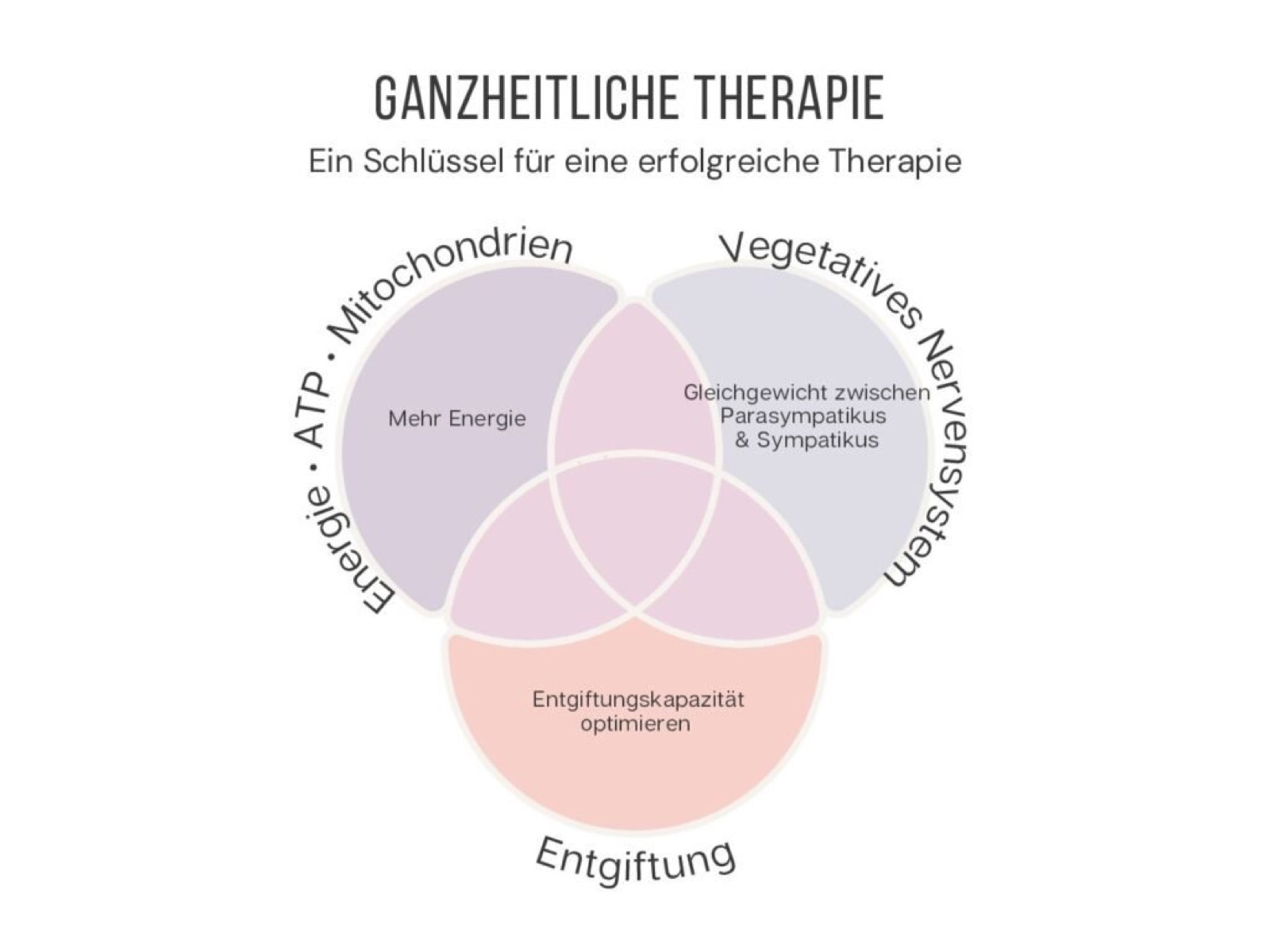
At Natura Heilpraxis, we administer niacin as part of an infrared heat therapy. In naturopathy, this combination is described in connection with the immune system and the body's detoxification processes.
If you are interested in a therapy with niacin or have any questions, please feel free to contact us!
Professionally responsible: Yesha Karmeli, naturopathic practitioner (Heilpraktiker), Natura Heilpraxis Berlin. This text provides general information and does not replace individual advice.