Natura
Longevity: A Brief Summary
Longevity refers to the ability to live a longer and healthier life.
It is about extending lifespan while improving quality of life. The focus is on a combination of a healthy diet, regular exercise, preventive health care, and holistic diagnostics.
At its core, longevity aims to prevent or delay age-related diseases and to maintain the body's functional capacity for as long as possible. This includes supporting cell health, maintaining hormonal balance, optimizing mitochondrial function, and promoting robust mental health. Longevity also includes measures to reduce stress and to promote an overall healthy lifestyle.
Introduction At our practice, we work intensively on the topic of longevity. Our approach to longevity is guided by current research topics and includes prevention, nutrition, physical activity, and holistic diagnostics. This article looks at the history of the longevity movement, its impact on society, and the specific biochemical and physiological aspects we apply in our practice.
History of the longevity movement The longevity movement has its roots in early health studies that focused on extending life through diet and lifestyle. In the 20th century, the movement gained importance through scientific advances and improved health care. Today, research focuses on the molecular and genetic levels in order to better understand and apply the mechanisms of aging.
Impact of the longevity movement on society A longer and healthier life brings considerable benefits for society:
Reduced health care costs: Prevention and early diagnosis of diseases can lower health care costs.
Improved quality of life: People can remain active and productive for longer, leading to a more fulfilling life.
Economic benefits: Older people can work longer and contribute to the economy.
Social stability: Healthier older people are better able to take care of family matters and offer support.

Causes of Modern Diseases and Their Impact on Longevity
Causes of modern diseases and their impact on longevity
1. Telomere attrition Telomeres are the end caps of chromosomes that protect the DNA. With increasing age, telomeres become shorter, which impairs genomic stability and disrupts cell function. Shortened telomeres can lead to increased genomic instability, which in turn increases the risk of various diseases.
2. Genomic instability The genome comprises all the genetic information of a cell. DNA mutations caused by environmental factors such as oxidative and nitrosative stress as well as exposure to toxins lead to genomic instability. With increasing age, the efficiency of DNA repair mechanisms decreases, resulting in damage to DNA and stem cells.
3. Epigenetic changes Epigenetic mechanisms regulate the activity of our genes. This regulation takes place through methylation, which switches genes on or off. With increasing age, this process can get out of control, causing beneficial genes to be switched off and harmful genes to be activated.
4. Chronic inflammation Chronic inflammation arises from exposure to toxins, bacteria, and viruses, as well as from a lack of repair mechanisms. Poor diet, lack of exercise, and a decline in mitochondrial activity promote inflammatory processes that can lead to cardiovascular disease, diabetes, and neurodegenerative diseases.
5. Disrupted intracellular communication Signal transmission within cells is crucial for the cellular response to external signals. Disruptions in this communication, often due to age-related changes, can lead to cell malfunction and impair health.
6. Mitochondrial dysfunction Mitochondria are responsible for energy production in cells. Age-related mitochondrial dysfunction leads to reduced energy production and increased cell damage. Essential substances such as pyruvate, lactate, ATP, as well as vitamins (B complex, C, E), minerals (magnesium, iron), and amino acids (L-carnitine) are necessary for optimal mitochondrial function.
7. Regulated nutrient stability Age-related metabolic disorders can impair the absorption and utilization of nutrients. This leads to a deficiency of important nutrients, which has a negative effect on general health and longevity.
8. Deactivation of macrophagy Macrophagy refers to cellular self-cleaning. If this function is impaired, damaged cell components cannot be removed effectively, leading to an accumulation of cell damage and dysfunction. Reduced macrophage activity impairs the body's ability to clean itself and stay healthy.
Our therapeutic approaches
1. Nutrition plans Individually tailored nutrition plans are an essential part of our approach to longevity. These plans include:
Histamine issues: Testing and nutritional counseling on the topic of histamine, including DAO (diamine oxidase) levels and the relevant vitamins.
Stool diagnostics: Analysis of digestive performance as well as testing of inflammation parameters and histamine in the stool.
Sugar metabolism: Nutritional counseling on blood sugar levels, the topic of insulin resistance, determination of HbA1c levels (long-term blood sugar), and the topic of gluconeogenesis.
Intermittent fasting: Advice on integrating fasting intervals into everyday life.
2. Testing and diagnostics We offer comprehensive tests to assess the following aspects:
Vitamins, minerals, and amino acids: Important vitamins (e.g., B complex, D, E), minerals (e.g., magnesium, zinc, selenium), and amino acids (e.g., L-carnitine, glutamine).
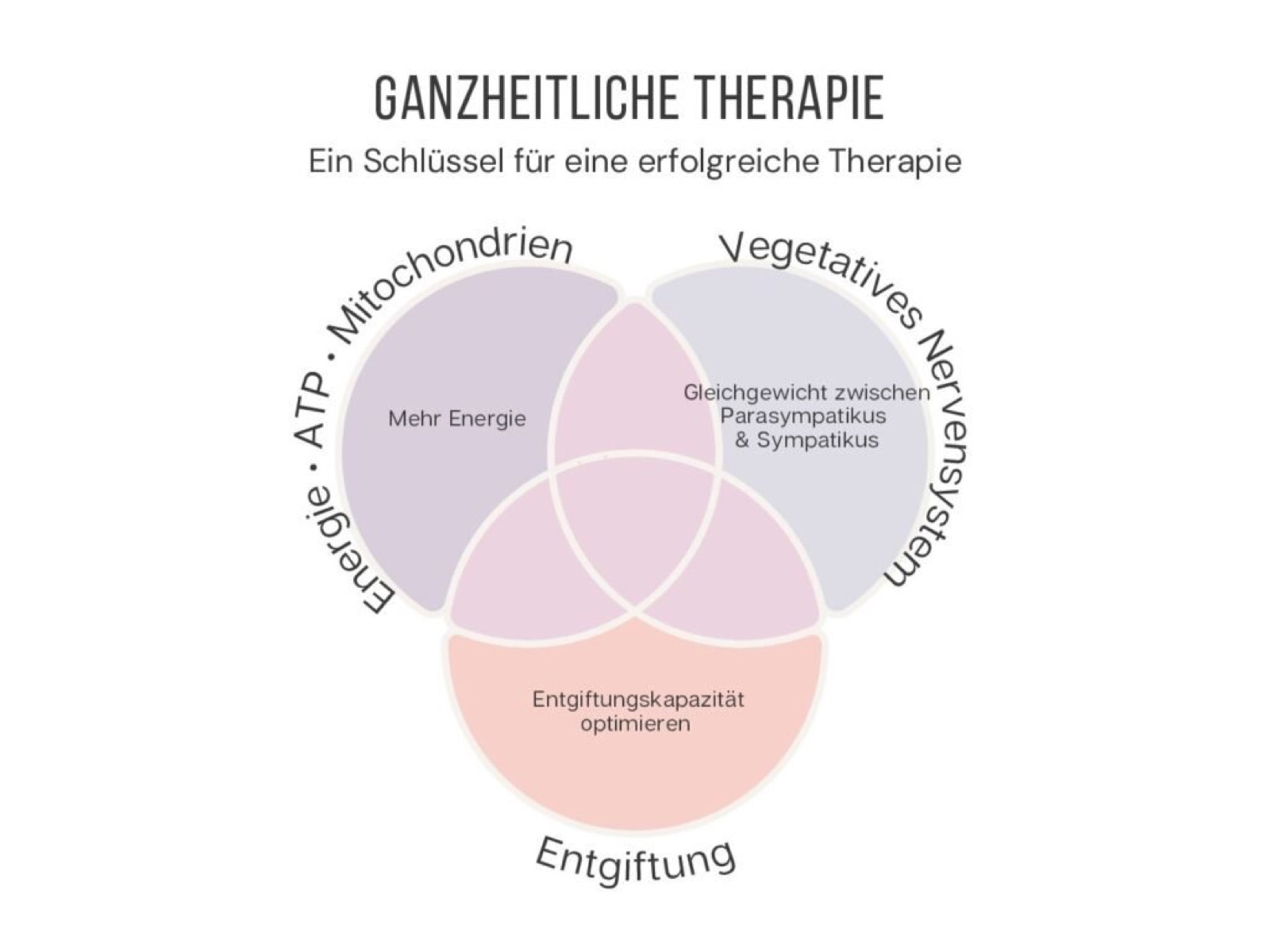
Detoxification capacity: Assessment of the body's ability to process and excrete toxins, including the substances glutathione, glutathione peroxidase, and superoxide dismutase.
Mitochondrial function: Examination of the efficiency of mitochondrial energy production and identification of dysfunctions.
Parasympathetic and sympathetic nervous system: Analysis of the autonomic nervous system, in particular the regulation of the vagus nerve, to assess stress resilience and the ability to relax.
Stress hormones and general hormonal balance: Measurement of cortisol and other hormones.
Heavy metal exposure: Testing for toxic metals and their influence on health.
3. Metabolism We discuss individual nutrition and exercise recommendations relating to the following aspects of metabolism:
Mitochondrial respiratory chain: Topics relating to mitochondrial energy production and ATP supply.
Absorption capacity: Topics relating to nutrient absorption as well as gut and liver function.
4. Exercise therapy We offer specific exercise recommendations tailored to the needs of each individual patient:
Muscle building: Support and advice on building muscle.
Muscle nutrition: Ensuring adequate protein intake as well as necessary vitamins and minerals.
Exercise programs: Development of individual training plans to promote physical fitness and health.
Muscle hormones: Information on hormones described in connection with muscle activity, such as oxytocin, myostatin, irisin, and testosterone.
5. Holistic diagnostics Our holistic diagnostics include:
Hormone analysis: Assessment of hormone levels in relation to metabolism and energy production. Consideration of hormone deficiencies such as estrogen, progesterone, and testosterone in men.
Gut health: Analysis of the microbiota, including testing for leaky gut and inflammatory processes in the gut.
Liver function: Tests to check detoxification capacity and general liver health.
6. Emotional and mental support We place great importance on the emotional and mental health of our patients:
Special coaching sessions: Support in resolving burdens and conflicts.
Discovering your calling and purpose in life: Help with finding and realizing personal goals and aspirations.
Focus on inner strengths: Individual counseling and support on the topics of resilience and well-being.
Conclusion At our practice, we take a holistic approach to the topic of longevity. Prevention, a balanced diet, regular exercise, and comprehensive diagnostics are central building blocks. Our programs are individually tailored and guided by current research topics on longevity.

Longevity Berlin - At our practice, we offer you a comprehensive longevity therapy plan that includes diagnostics, nutrition, exercise, and support.
Longevity as a therapy plan in Berlin
At our practice in Berlin, we offer you a comprehensive longevity therapy plan that includes diagnostics, nutrition, exercise, and support. Our approach begins with a detailed initial analysis, in which we carry out all necessary diagnostics and have an in-depth conversation to analyze your history and all important elements of your health.
On this basis, we create a tailored longevity program for you. It describes which measures in the areas of nutrition, exercise, diagnostics, and support are planned for you.
You can now book an initial analysis appointment. We are happy to support you with complete diagnostics, individual therapy plans, and ongoing care, both at our practice and at your home.
If you are interested in this topic, please feel free to contact us. We look forward to accompanying you on your path to longevity.
Professionally responsible: Yesha Karmeli, naturopathic practitioner (Heilpraktiker), Natura Heilpraxis Berlin. This text provides general information and does not replace individual advice.