Natura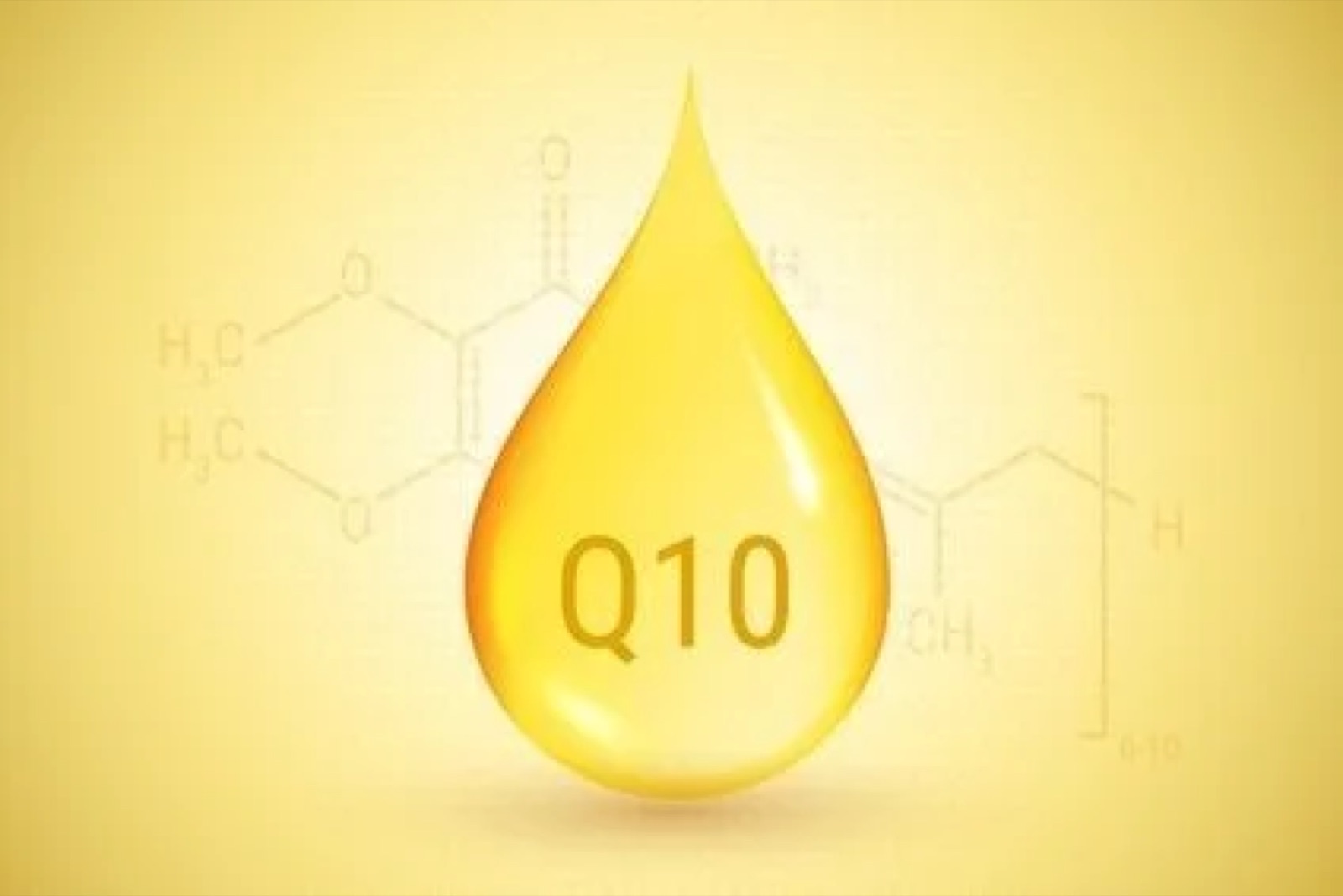
Coenzyme Q10 – an Important Antioxidant for ATP Synthesis
In the body, vitamin Q10 is used as a component of the mitochondria, where inhaled oxygen is consumed and energy is obtained from food. This coenzyme also plays an important role in the defense against oxidative stress, as it scavenges free radicals.
Coenzyme Q10 and the "power plants" of the cells.
How Is the Body Supplied with Vitamin Q10?
For the body's energy metabolism, it is useful that it can synthesize coenzyme Q10 itself from the amino acids tyrosine and phenylalanine. Further coenzymes of the vitamin B complex are needed to catalytically support this process. However, this helpful synthesis is not always sufficient for an adequate supply.
Why Vitamin Q10 Is So Important for the Energy Production of the Cells
Coenzyme Q10 (ubiquinol) is found in the mitochondria. These are, so to speak, the "power plants" of the cells, which are responsible for energy production. As an antioxidant, reduced CoQ10 acts as an essential helper in obtaining energy-rich compounds from food. As a dietary supplement, it is therefore popular above all among people who suffer from a reduced ability to transform coenzyme Q10. Especially with increasing age and falling Q10 levels, orthomolecular medicine discusses an additional supply through food or dietary supplements. A daily intake of 20 to 100 mg is often mentioned. Although many foods contain this vitaminoid, its bioavailability is difficult to estimate, since coenzyme Q10 is partly destroyed during cooking and not all foods can be eaten raw. About three to five milligrams are taken in daily through food, although this depends on dietary habits and intestinal absorption capacity. Q10 is found in oily fish (sardines, mackerel etc.), nuts (e.g. pistachios), offal (liver), legumes, Brussels sprouts, broccoli, potatoes and spinach, as well as in sesame, sunflower seeds and good organically produced vegetable oils. Heating reduces the content of bioavailable Q10. The synthesis by the intestinal flora and subsequent absorption also make a smaller contribution to the Q10 balance.
No ATP Synthesis Without Coenzyme Q10
As an essential coenzyme, coenzyme Q10 is involved in oxidative phosphorylation in all cell types, through which more than 90% of the body's total energy (ATP) is generated. In this process, Q10 transfers electrons and protons between complex I or complex II and complex III of the respiratory chain.
Mitochondria – the "Power Plants of the Cell"
Mitochondria are cell organelles whose main function is to provide energy in the form of adenosine triphosphate (ATP). Mitochondria are present in every body cell (except red blood cells). The number of "mini power plants" present depends on the energy requirements of the cell. Active cells, such as muscle, liver or kidney cells, have a large number of mitochondria.
Coenzyme Q10 as a Strong Antioxidant
Along with vitamins C and E, glutathione and lipoic acid, coenzyme Q10 is one of the "5 major antioxidants." Q10 is also involved in the regeneration of vitamin E.
Coenzyme Q10 and the Heart
An adequate supply of coenzyme Q10 is particularly important for the heart, which requires a lot of energy. Even slight deficiencies can have a disruptive effect here. Reduced coenzyme Q10 is associated with a decline in heart function and has been demonstrated in many heart diseases. The treatment of heart disease belongs in the hands of physicians; any accompanying administration of coenzyme Q10 should be discussed with your treating physicians.
Coenzyme Q10 and the Immune System
In orthomolecular medicine, coenzyme Q10 is described in connection with the thymus gland, the most important organ of the immune system, and with immune cells.
Coenzyme Q10 Influences Many Body Functions
There is a great deal of evidence that coenzyme Q10 plays an important role in many other functions in the body. Among other things, it is being studied in connection with blood pressure, muscle tissue and gums, as well as migraine and fertility disorders in men.
Sources:Crane, F.L. (2001, December). Biochemical functions of coenzyme Q10. Journal of the American College of Nutrition, 20(6):591-8 Mancuso, M., Orsucci, D., Volpi, L., Calsolaro, V. & Siciliano, G. (2010, January). Coenzyme Q10 in neuromuscular and neurodegenerative disorders. Current Drug Targets, 11(1):111-21 Ernster, L. & Dallner, G. (1995, May). Biochemical, physiological and medical aspects of ubiquinone function. Biochimica et Biophysica Acta, 1271(1):195-204
Professionally responsible: Yesha Karmeli, naturopathic practitioner (Heilpraktiker), Natura Heilpraxis Berlin. This text provides general information and does not replace individual advice.