Natura
Detox for body and mind – a holistic perspective
The term "detox" is used frequently in everyday life, in naturopathic concepts and in the wellness context. It does not describe a clearly defined medical measure, but is rather an umbrella term for conscious lifestyle and self-care approaches in which people engage more intensively with their physical and mental well-being.
The following information is intended solely for general orientation. It does not replace medical advice and makes no statement about medical effects or treatment outcomes.
Detox as a lifestyle topic
In many contexts, detox is not understood as a single measure, but as a conscious phase in which everyday habits are reflected on and adjusted if necessary. Questions such as these are often in the foreground:
How do I deal with stress in everyday life?
What role do nutrition, exercise and rest play?
How consciously do I perceive physical and mental signals?
Such considerations are aimed at self-awareness and mindfulness, not at the treatment of diseases.
Nutrition as a conscious focus
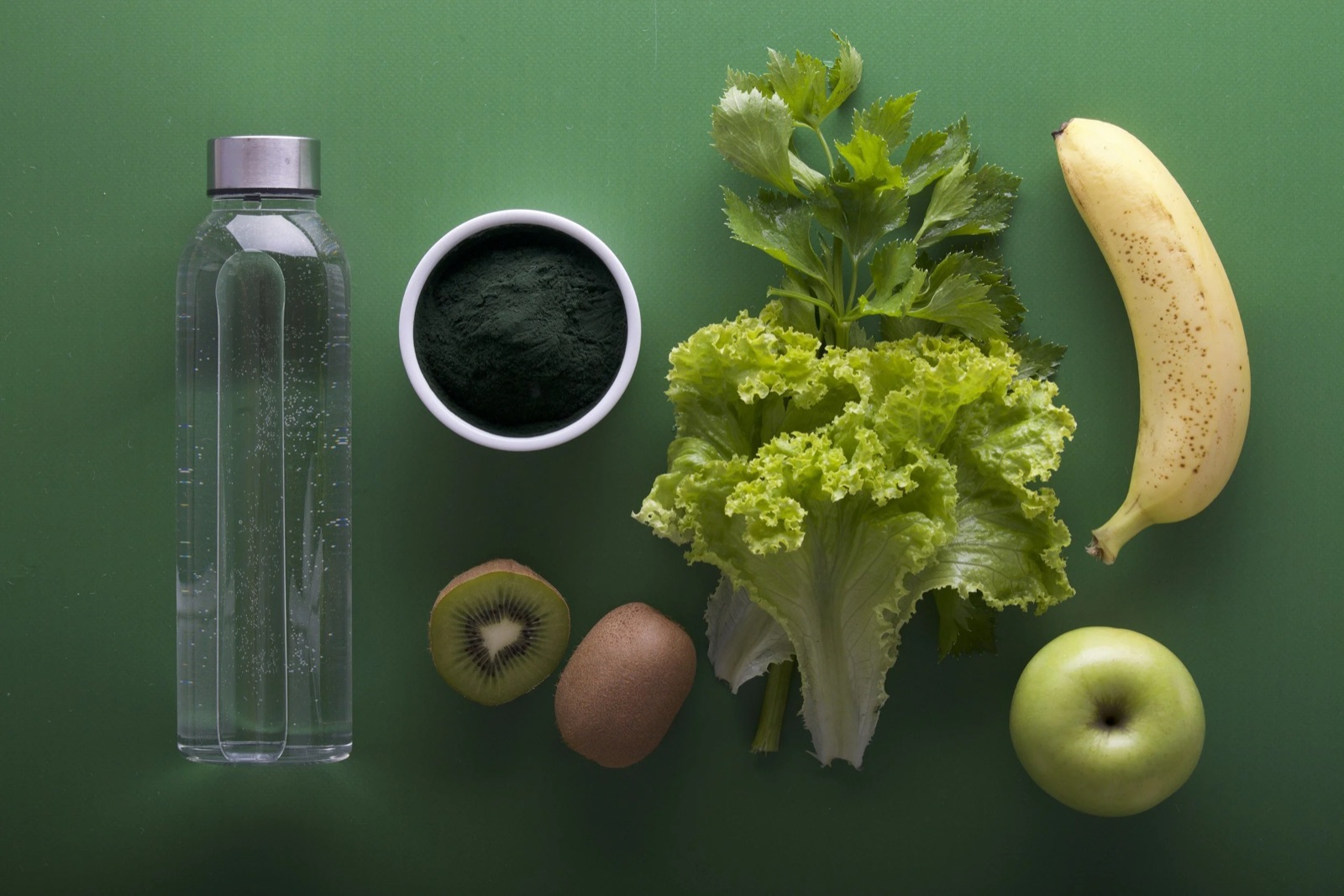
As part of holistic detox approaches, many people temporarily opt for a simplified, plant-based diet. Frequently mentioned are:
Fresh, unprocessed foods
Vegetables, herbs and light meals
A conscious reduction of highly processed products
This form of eating is understood as a mindful nutrition phase. No statements about medical or detoxifying effects are associated with it.
Fluid intake and rituals
Adequate fluid intake is generally regarded as part of a health-conscious lifestyle. It often plays an accompanying role in detox concepts. Some people consciously integrate rituals such as:
Drinking regularly throughout the day
Warm drinks in the morning
Tea breaks as conscious moments of rest
These, too, are individual habits that can be subjectively perceived as supportive.
Mental relief and clarity
The aspect of "detox for the mind" is often discussed in connection with mental relief, stress reduction and setting conscious boundaries. This includes, for example:
Breaks from digital media
Times of silence or retreat
Mindfulness or breathing exercises
These approaches serve to promote self-awareness and inner calm and do not constitute psychotherapeutic or medical treatment.
Sleep, rest and regeneration
Phases of regeneration are considered an essential part of a balanced lifestyle. Many holistic concepts therefore emphasize the importance of:
Enough sleep
Regular rest periods
A conscious approach to performance demands
Such measures are understood as supportive of general well-being, without deriving therapeutic effects from them.
Skin and external care
In holistic perspectives, the skin is also described as an important sensory and perceptual organ. Conscious body care, massages or external applications are traditionally discussed as a form of self-care.
These approaches do not replace medical or dermatological treatment.
Conclusion
"Detox for body and mind" is often understood as an invitation to shape your own lifestyle more consciously and to take time for self-awareness, rest and reflection. Nutrition, fluid intake, mental relief and regeneration can be perceived as supportive elements.
The content presented here does not constitute a medical recommendation. No statements about detoxification, healing or health effects can be derived from it.
Professionally responsible: Yesha Karmeli, naturopathic practitioner (Heilpraktiker), Natura Heilpraxis Berlin. This text provides general information and does not replace individual advice.