Natura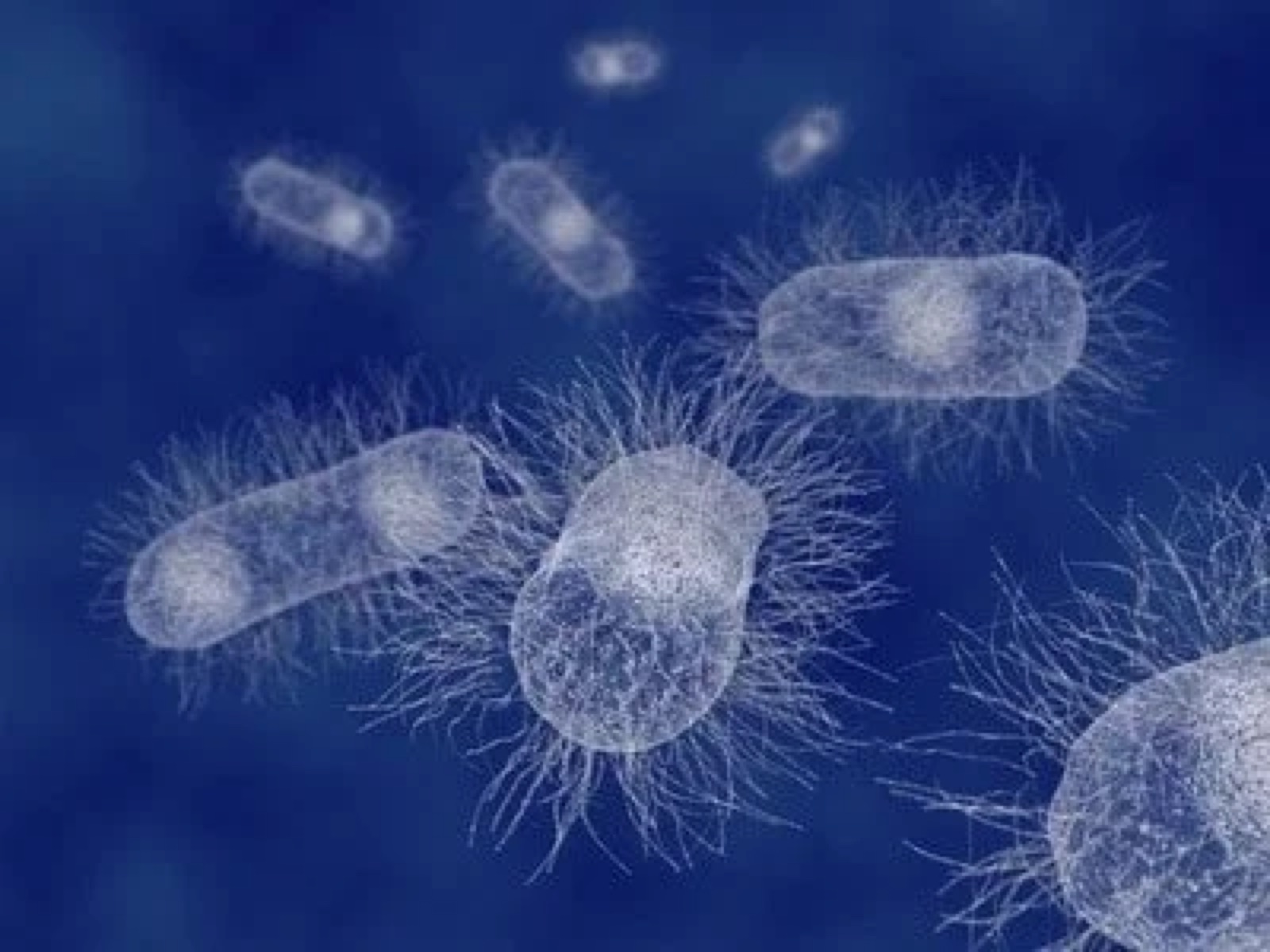
What Is Meant by Gut Flora?
Gut flora (intestinal microbiota) refers to the totality of microorganisms living in the human gut. It consists of several hundred different bacterial species that exist in a complex balance with one another. The scientific literature describes that a large proportion of immunologically active cells is associated with the intestinal mucosa. The state of the gut flora is therefore often considered in connection with general regulatory and defense processes.
The following notes are general, non-binding information. They do not replace individual medical advice. Nor can they replace treatment by a physician, psychotherapist, or physiotherapist. We consider the services of physicians, psychotherapists, and physiotherapists to be very important. Therefore, ongoing treatment should not be interrupted or discontinued, and treatment that becomes necessary in the future should not be postponed. No promises are made that healing or success will occur.
Factors Influencing the Gut Flora
Various external influences can change the composition of the gut flora. These include, among others:
taking certain medications (e.g., antibiotics, acid blockers, cortisone),
environmental pollution,
alcohol and nicotine consumption,
a one-sided or nutrient-poor diet,
persistent stress.
In such situations, a shift in the bacterial balance can occur, which is described in the specialist literature as dysbiosis.
Possible Connections with Altered Gut Flora
In studies, an altered composition of the intestinal microbiota is associated with various functional complaints and diseases. These include digestive complaints, intolerances, inflammatory processes in the gut, and immunological dysregulation. These connections are the subject of intensive scientific research and are considered complex and multifactorial.
Gut Flora and Intestinal Mucosa
The intestinal mucosa forms an important barrier between the intestinal contents and the inside of the body. Certain bacterial species are involved in maintaining this barrier by colonizing the mucosa and producing metabolic products that contribute to its stability. In research, a disturbed intestinal barrier is also discussed in connection with increased intestinal permeability ("leaky gut").
Gut Flora and the Immune System
The gut flora interacts closely with the innate and acquired immune system. Specialist publications describe a continuous exchange between gut bacteria and immune cells. A review in the European Review for Medical and Pharmacological Sciences (2013) states that the gut flora performs protective, metabolic, and immunological functions and that probiotics can be used supportively in certain contexts.
Diet as an Influencing Factor
The composition of the gut flora is significantly influenced by diet. High-fiber foods, certain plant-based foods, and fermented products are described in the literature as possible factors that can influence the bacterial balance in the gut. Reduced consumption of highly processed and sugary foods is also discussed in connection with the gut flora.
A Holistic View of Building Up the Gut Flora
In naturopathic practice, building up or stabilizing the gut flora is often viewed holistically. This includes, among other things:
analysis of the individual situation,
an adapted diet,
the use of prebiotics and probiotics as part of professional advice,
accompanying measures to support the digestive system.
Since every organism reacts individually, the specialist literature points out that such processes take time and cannot follow a fixed scheme.
Gut Flora, Nervous System, and Relaxation
Recent research also deals with the connection between the gut, the enteric nervous system, and the central nervous system. Among other things, the role of the vagus nerve and the involvement of the gut in serotonin production are described. These connections continue to be investigated scientifically.
Conclusion
The gut flora is a complex microbial system with diverse interactions with digestion, the immune system, and metabolism. Changes in this system are associated with various functional processes. An objective, individual, and holistic view therefore forms the basis for all further measures in the context of gut health.
Further scientific references
The following sources serve as general information and context for current scientific findings on the gut flora, the intestinal barrier, and the enteric nervous system. They do not constitute proof of efficacy for individual diagnostic or therapeutic procedures.
https://www.ncbi.nlm.nih.gov/pubmed/25731162
https://www.ncbi.nlm.nih.gov/pubmed/24130822
https://www.ncbi.nlm.nih.gov/pubmed/21508958
https://www.ncbi.nlm.nih.gov/pubmed/25860609
https://www.nature.com/articles/nrgastro.2016.107
https://www.ncbi.nlm.nih.gov/pmc/articles/PMC3758766/
https://www.ncbi.nlm.nih.gov/pubmed/14767487
Professionally responsible: Yesha Karmeli, naturopathic practitioner (Heilpraktiker), Natura Heilpraxis Berlin. This text provides general information and does not replace individual advice.