Natura
In naturopathy, a gut check-up is used for orientation and for classifying individual aspects relating to digestion and lifestyle.
Gut Microbiome and Gut Check-up – A Holistic View
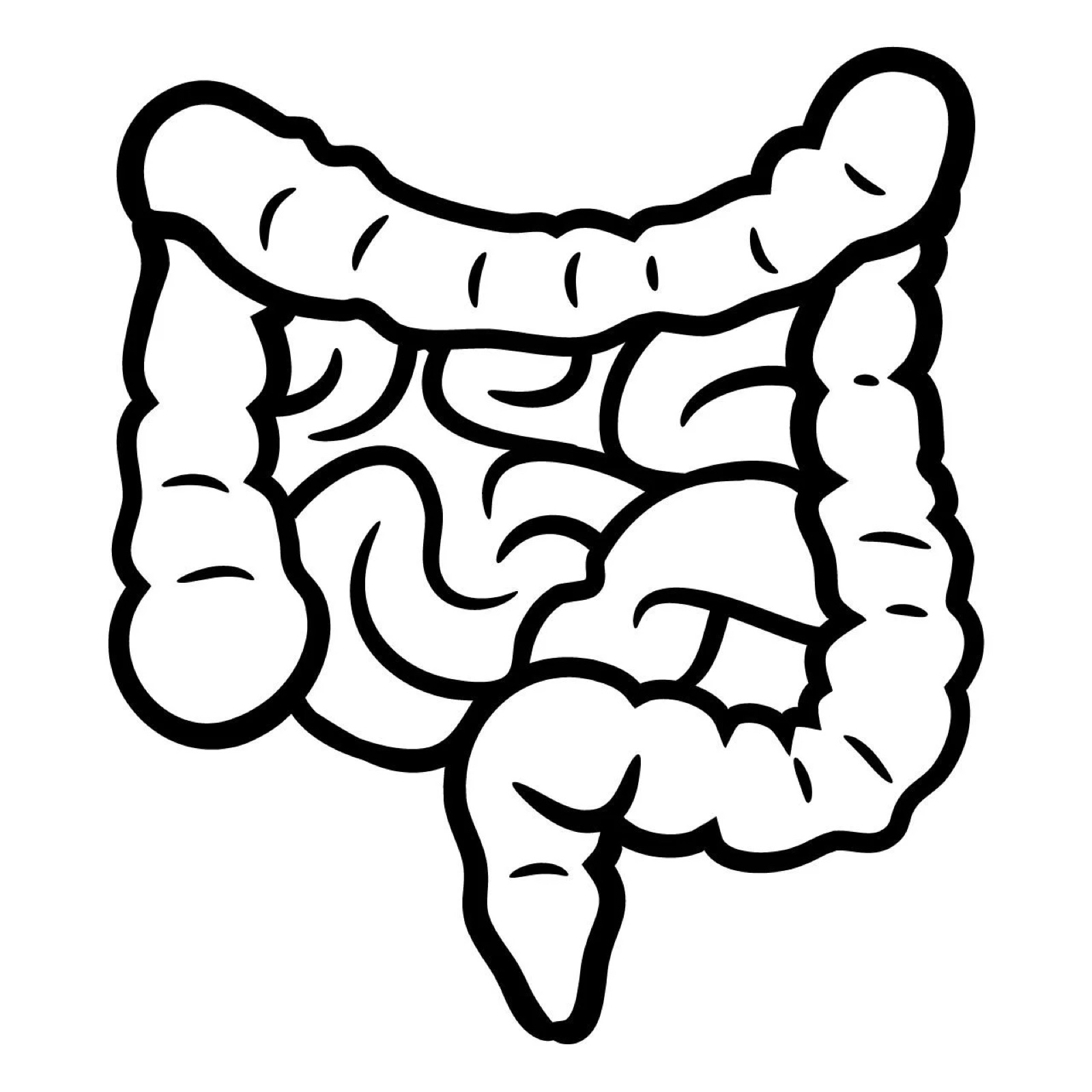
Within naturopathic and functional concepts, an analysis of the gut can take various aspects into account. These include the gut microbiome, indications of individual histamine processing, the presence of certain microorganisms, digestive residues, and parameters that holistic models associate with inflammatory processes, fluid distribution in the intestine and immunological relationships.
These aspects are not considered in isolation, but embedded in a holistic view of the person and their life circumstances.
Many naturopathic approaches regard the gut as a central element of physical processes. In this context, a so-called gut check-up serves as a structured examination of individual digestive and lifestyle factors. The aim is an orienting assessment, not a diagnosis or therapy in the conventional medical sense.
The following notes are general, non-binding information. They do not replace individual medical advice. Nor can they replace treatment by a physician, psychotherapist or physiotherapist. We consider the services of physicians, psychotherapists and physiotherapists to be very important. Therefore, ongoing treatment should not be interrupted or discontinued, and treatment that becomes necessary in the future should not be postponed. No promises are made that a cure or success will occur.
Classifying a Gut Check-up from a Naturopathic Perspective
A gut check-up can be used to systematically look at existing questions relating to digestion, diet and lifestyle habits. It does not replace medical diagnostics, but serves as supplementary orientation within holistic concepts.
In naturopathy, various factors such as diet, everyday burdens, stress, medications or environmental factors are often related to the intestinal environment. Such relationships are considered individually and not generalized.
The check-up can include various test parameters, such as orienting analyses of the gut microbiome, mucosal parameters or digestive performance. A detailed case history forms the basis for classifying the results.
Elements of a Gut Check-up
1. Intestinal Flora / Gut Microbiome
The intestinal flora describes the totality of microorganisms found in the gut. The specialist literature describes bacterial genera such as Lactobacillus, Bifidobacterium or Akkermansia, among others. In naturopathic and functional models, these microorganisms are attributed different roles in the interplay with digestive and metabolic processes.
Scientific research on these relationships is extensive and continues to develop. Corresponding laboratory values are always classified in the context of the individual overall picture and without claiming causal statements.
2. Histamine-Related Questions
Histamine is an endogenous messenger substance that is also discussed in connection with foods. In naturopathic concepts, increased sensitivity to histamine-containing foods may be addressed.
Orienting laboratory parameters can provide indications, but do not replace medical clarification.
3. Indications of Microorganisms
In the holistic view of the gut, indications of certain bacteria or fungi are sometimes also included. Corresponding laboratory parameters are not assessed in isolation, but considered in connection with other individual factors.
4. Digestion-Related Parameters
Certain digestive residues can become visible during a stool analysis. In functional models, such observations are used to reflect on questions about digestive performance or the composition of the diet.
5. Inflammation-Related Markers and Consistency
Some laboratory parameters are discussed in connection with inflammatory processes. The consistency of the stool can also provide indications of functional relationships. This information serves exclusively for orienting classification within holistic concepts.
6. The Gut and Immunological Relationships
In professional circles, the gut is often described in connection with immunological processes. Immunoglobulins such as IgA play a role here, among other things.
These relationships are the subject of current research and are taken up conceptually in naturopathy without deriving therapeutic or healing claims from them.
Diet, Absorption and a Holistic View
In naturopathy, diet is regarded as an important component of holistic lifestyle concepts. The absorption and utilization of nutrients is seen in connection with individual needs, digestive processes and general lifestyle habits.
From a naturopathic perspective, an unbalanced diet can influence the intestinal environment. Such considerations serve to reflect on dietary habits and do not replace medical advice.
Classifying the Gut Check-up in a Holistic Context
In functional and naturopathic medicine, a gut check-up is used as a supplementary tool for orientation. It enables a structured look at various aspects relating to digestion, diet and lifestyle.
The relationships presented do not constitute promises of cure or effect and do not replace medical diagnosis or therapy by a physician.
References (for context, not for advertising purposes)
The scientific publications mentioned serve exclusively for general information and for classifying theoretical relationships. They do not constitute proof of effectiveness for individual procedures.
References
Ouwehand, A. C., Salminen, S., & Isolauri, E. (2002). Probiotics: an overview of beneficial effects. Antonie Van Leeuwenhoek, 82(1-4), 279-289.
Gómez-Gallego, C., García-Mantrana, I., Salminen, S., & Collado, M. C. (2016). The human milk microbiome and factors influencing its composition and activity. Seminars in Fetal and Neonatal Medicine, 21(6), 400-405.
Cani, P. D., de Vos, W. M. (2016). Next-Generation Beneficial Microbes: The Case of Akkermansia muciniphila. Frontiers in Microbiology, 7, 108.
Schwelberger, H. G. (2004). Histamine intolerance: a metabolic disease? Inflammation Research, 53(S1), S51-S52.
Kostakis, I. D., Cholidou, K. G., Vaiopoulos, A. G., & Perrea, D. N. (2013). Fecal calprotectin in pediatric inflammatory bowel disease. Annals of Gastroenterology, 26(4), 320-331.
Suez, J., Zmora, N., Segal, E., & Elinav, E. (2018). The pros, cons, and many unknowns of probiotics. Nature Medicine, 25(5), 716-729.
Professionally responsible: Yesha Karmeli, naturopathic practitioner (Heilpraktiker), Natura Heilpraxis Berlin. This text provides general information and does not replace individual advice.