Natura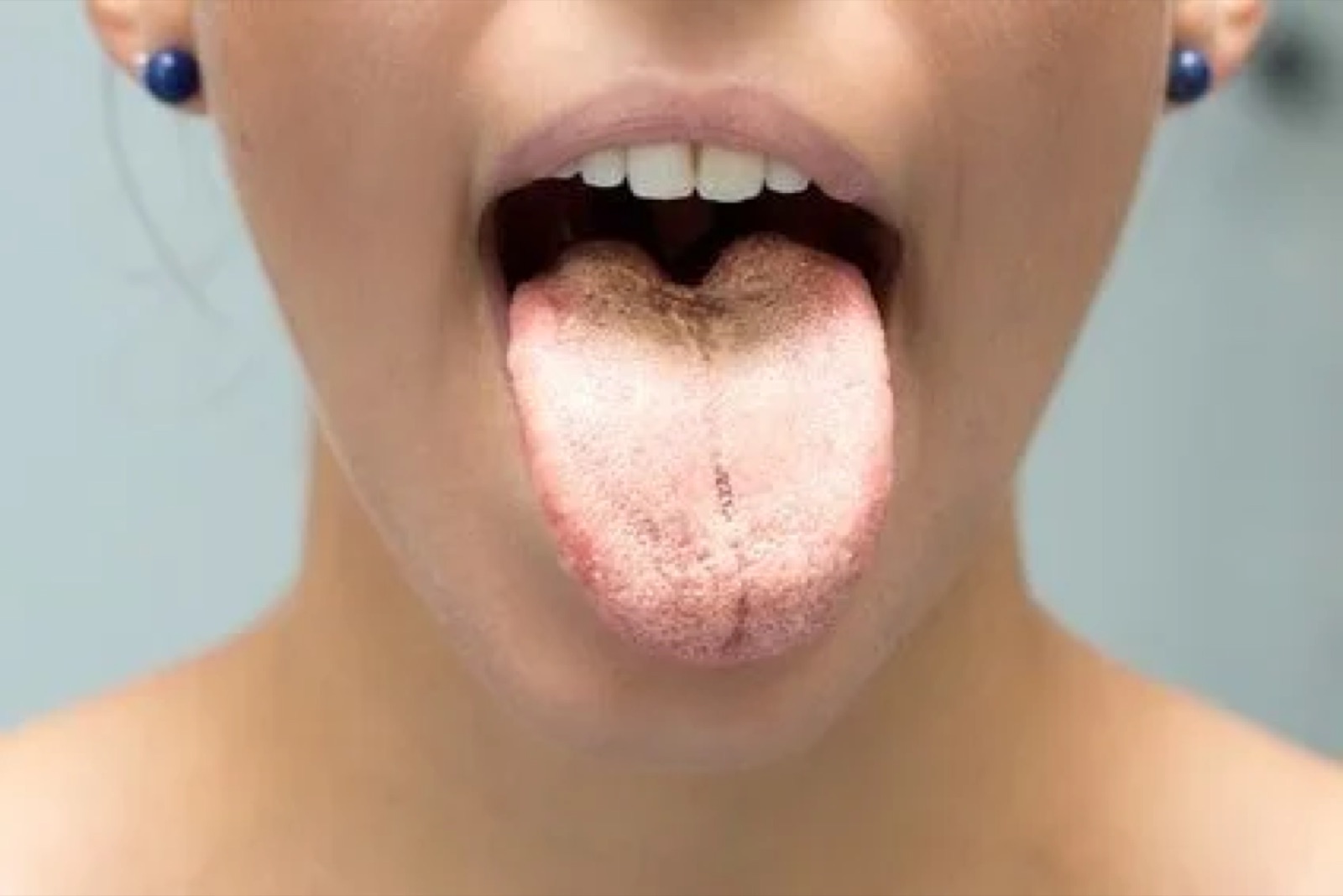
Candida albicans – a holistic perspective
Candida albicans is a yeast and part of the natural microbial colonization of the human body. It can occur on the skin and mucous membranes, among other places.
In medicine and naturopathy, it is discussed that microorganisms can multiply to different degrees under certain conditions. These connections are complex and vary from person to person.
The following information is general and non-binding. It does not replace individual medical advice. Nor can it replace treatment by a physician, psychotherapist, or physiotherapist. We consider the services of physicians, psychotherapists, and physiotherapists to be very important. Therefore, ongoing treatment should not be interrupted or discontinued, and treatment that becomes necessary in the future should not be postponed. No promises are made that healing or success will occur.
Fungi – an overview of terms
Microbiology describes various groups of fungi that differ in structure and way of life. These include, among others:
Molds, which occur in the environment
Dermatophytes, which can settle on skin, hair, or nails
Yeasts, which include Candida species
This classification serves scientific purposes and does not constitute a statement about individual health effects.
Intestinal flora and microbial balance – a theoretical view
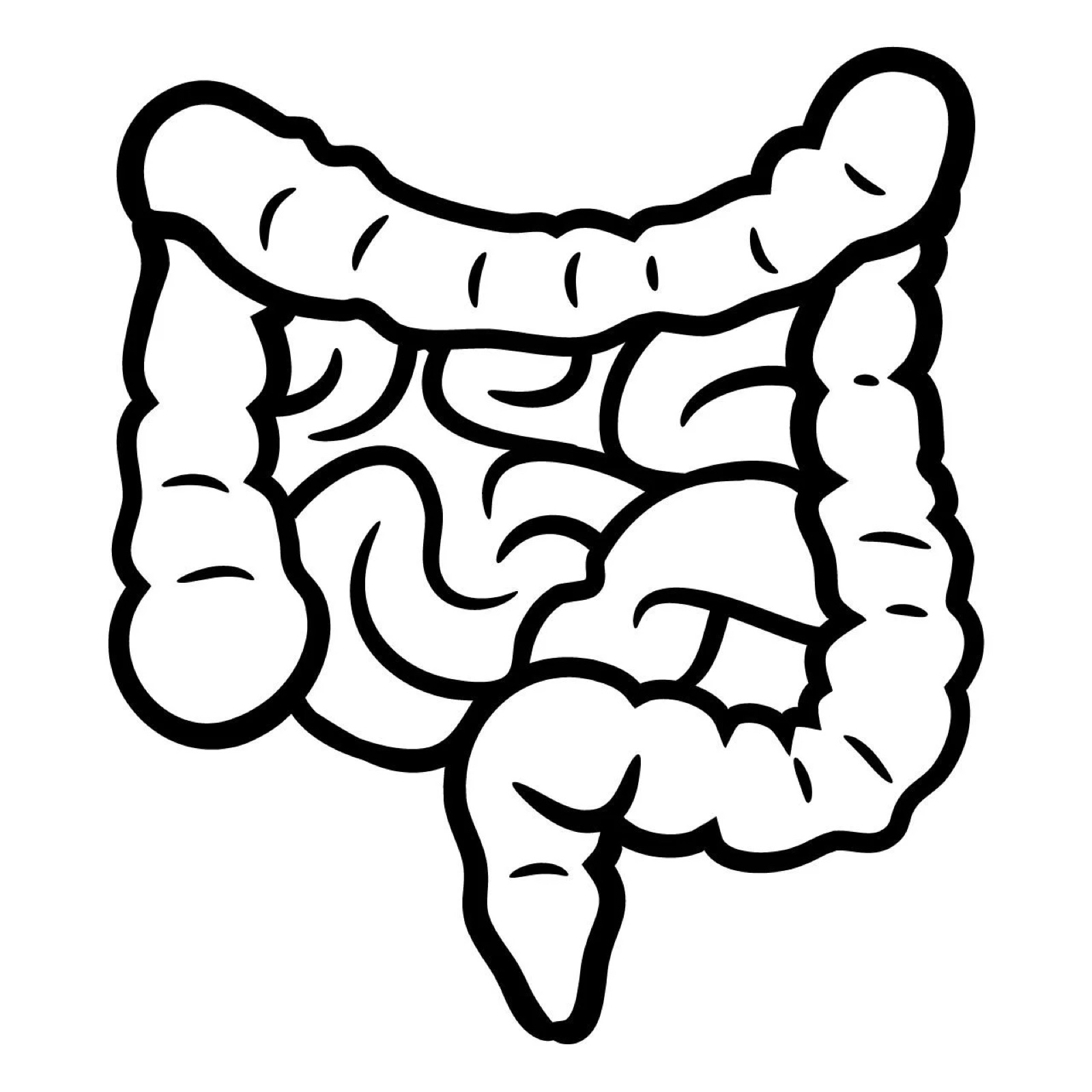
Holistic models often address the interplay of various microorganisms in the gut. They assume a dynamic balance that can be influenced by various lifestyle and environmental factors.
Such considerations do not replace medical diagnostics and do not allow general conclusions.
Conditions discussed among experts
The specialist literature and holistic concepts mention various factors that can influence the microbial environment. These include, among others:
Eating habits
Stress
Lifestyle factors
Hygiene and environmental conditions
Medication
These aspects have different effects on different people and are not understood as a cause-and-effect relationship.
Candida-related observations – general classification
The literature describes numerous non-specific complaints in connection with Candida. These cannot be clearly attributed, also occur in many other situations, and do not allow self-diagnosis.
Examples of frequently mentioned, non-specific sensations may include:
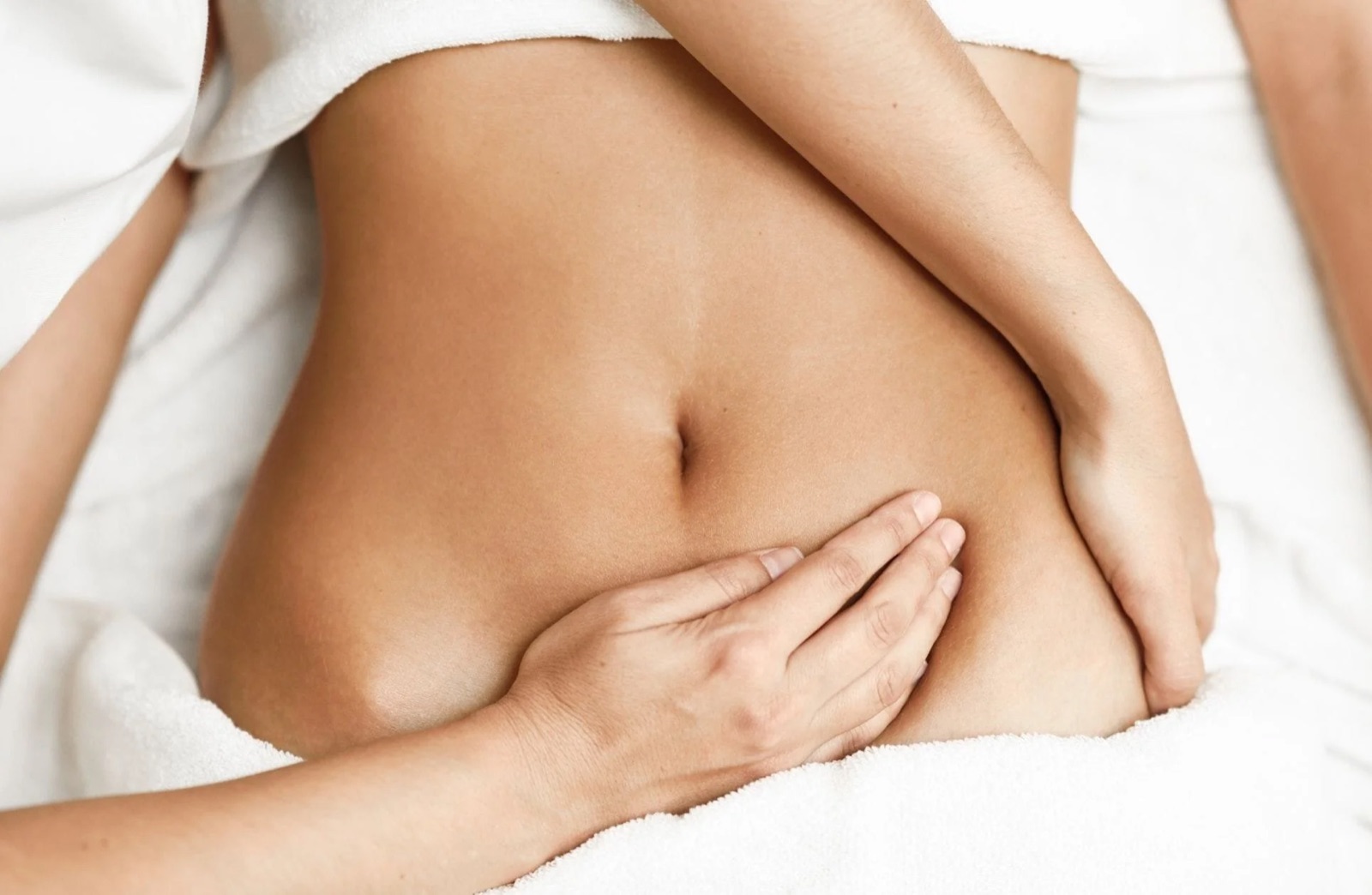
Changes in digestion
General malaise
Skin or mucous membrane changes
Exhaustion or a feeling of strain
Such symptoms can have many causes and should be clarified by a physician.
Holistic perspective
Holistic medicine often focuses on a conscious engagement with lifestyle, diet, stress management, and individual burdens. The focus is not on treating individual microorganisms, but on a comprehensive view of the person.
Important note: The content presented here is intended solely for general information and theoretical classification.
It does not constitute a diagnosis, a therapy recommendation, or a promise of healing and does not replace medical clarification or treatment.
Professionally responsible: Yesha Karmeli, naturopathic practitioner (Heilpraktiker), Natura Heilpraxis Berlin. This text provides general information and does not replace individual advice.