Natura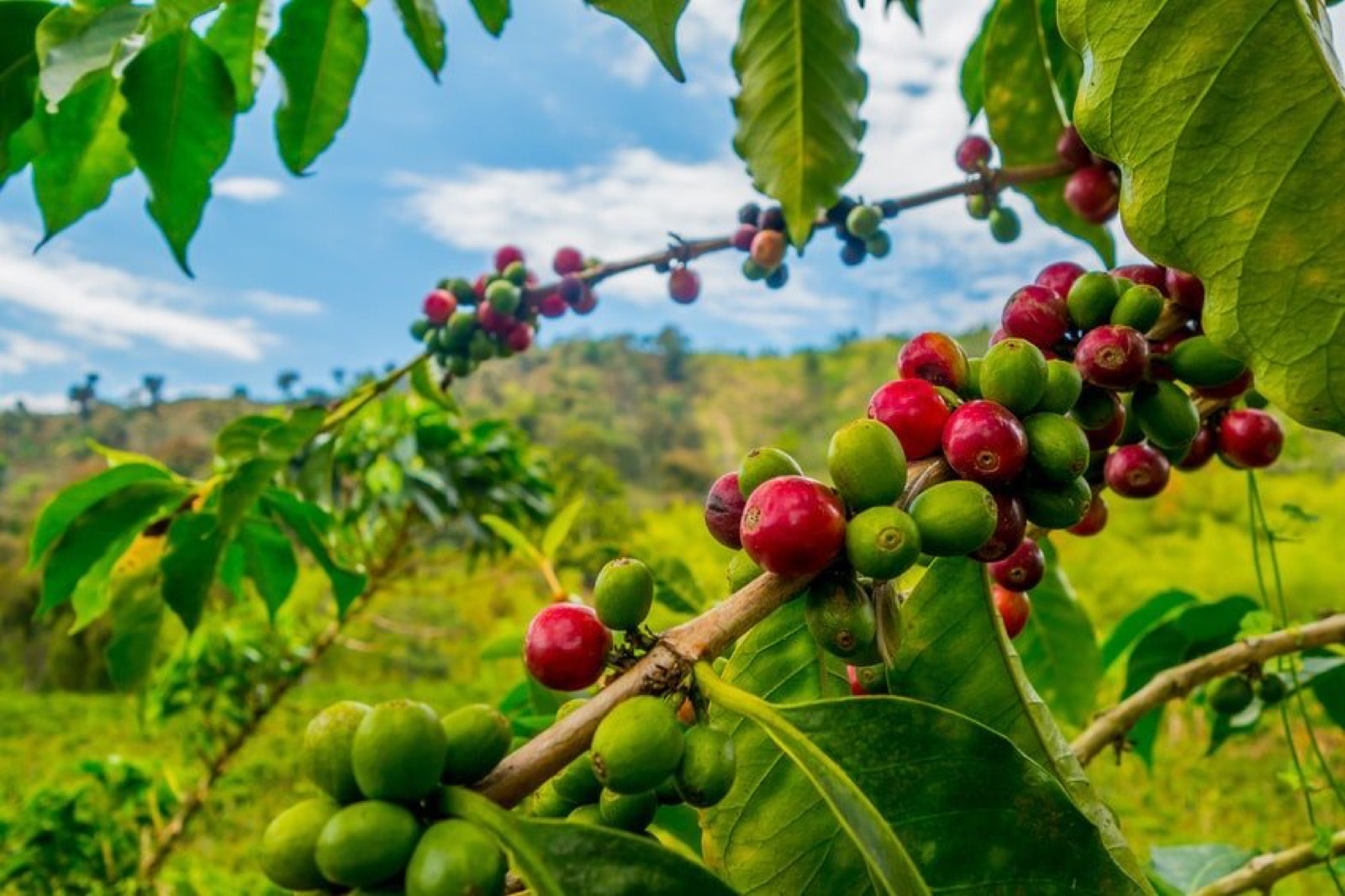
Coffee Enema – Classifying a Naturopathic Procedure

Coffee can be used as an enema.
The coffee enema is a procedure that has been described in naturopathy for many decades. It is one of the eliminative applications and is addressed there within holistic concepts. In conventional medicine, the coffee enema is not a recognized standard procedure; statements about its effects are therefore made exclusively in a descriptive and contextual manner.
The following notes are general, non-binding information. They do not replace individual medical advice. Nor can they replace treatment by a physician, psychotherapist, or physiotherapist. We consider the services of physicians, psychotherapists, and physiotherapists to be very important. Therefore, ongoing treatment should not be interrupted or discontinued, and treatment that becomes necessary in the future should not be postponed. No promises are made that healing or success will occur.
Historical Background
Coffee is consumed worldwide as a stimulant and has been known in cultural history for centuries. In naturopathic circles, coffee has historically also been mentioned as a component of external applications. Reports on the use of coffee in enemas can be found, among other places, in historical sources from the early 20th century, particularly in connection with nursing and supportive measures in exceptional situations. These traditions represent historical observations and are not equivalent to modern medical proof of efficacy.
What Is a Coffee Enema?
In a coffee enema, cooled, filtered coffee is introduced into the rectum using an irrigator set and held there for a limited time. In naturopathic concepts, this application is described as a stimulating measure intended to influence autonomic regulatory processes. It is used exclusively as a complement and not as a substitute for medically necessary treatments.
Naturopathic Classification of the Mechanisms of Action
Coffee contains various components such as caffeine, bitter substances, and secondary plant compounds. Naturopathic literature describes that these substances can provide stimuli via the intestinal mucosa that are reflexively associated with liver, gallbladder, and digestive functions. These are theoretical models and empirical assumptions, not established medical promises of effect.
Anti-inflammatory or relieving effects are also discussed in the complementary medicine literature. These statements do not constitute a guarantee of healing or efficacy and serve exclusively to provide information about naturopathic concepts.
Procedure at a Glance
For a coffee enema, filtered organic coffee is usually used, which is boiled with water, then filtered and cooled to body temperature. The application is carried out using a suitable irrigator set. Naturopathic instructions usually limit the retention time to about 10–15 minutes. Expert guidance is recommended, especially in the case of pre-existing conditions or uncertainty.
Notes on Responsible Use
The coffee enema is not suitable for everyone. In the case of existing bowel diseases, acute inflammation, cardiovascular diseases, or during pregnancy, it should not be used. In general, naturopathic procedures should be weighed individually and accompanied by a professional.
Professionally responsible: Yesha Karmeli, naturopathic practitioner (Heilpraktiker), Natura Heilpraxis Berlin. This text provides general information and does not replace individual advice.