Natura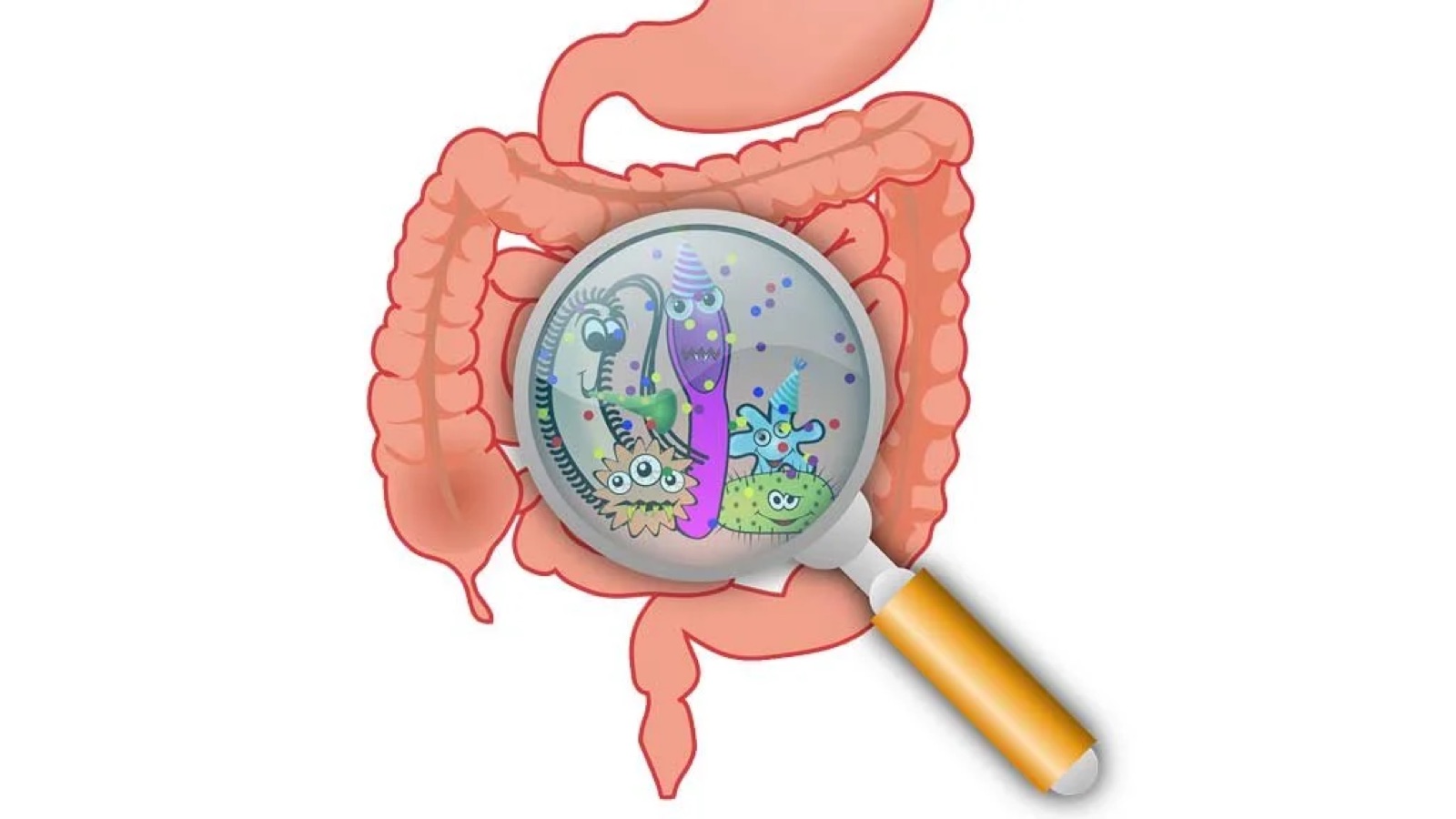
Leaky gut syndrome – a holistic view
The gut plays a central role in the health of the entire body. It is responsible not only for digestion and nutrient absorption, but is also an essential organ of the immune system and involved in detoxification processes.
The following notes are general, non-binding information. They do not replace individual medical advice. Nor can they replace treatment by a physician, psychotherapist or physiotherapist. We consider the services of physicians, psychotherapists and physiotherapists to be very important. Therefore, ongoing treatment should not be interrupted or discontinued, and any treatment that becomes necessary in the future should not be postponed. No promises are made that healing or success will occur.
The gut and its protective function
The tasks of the gut are diverse. Food components are absorbed, processed and made available to the body via the intestinal mucosa. At the same time, the intestinal mucosa forms a protective barrier between the inside of the body and the outside world.
The intestinal mucosa consists of several cell layers and regulates which substances enter the organism. Substances are transported in two ways:
Transcellular transport: uptake of nutrients such as sugars, amino acids, fats and electrolytes via special transport mechanisms in the intestinal cells.
Paracellular transport: passage of water and dissolved substances between the cells. These spaces are regulated by so-called tight junctions (tight cell connections).
Leaky gut syndrome – a disturbed gut barrier
In so-called leaky gut syndrome, the permeability of the intestinal mucosa is altered. The tight junctions no longer adequately fulfill their barrier function. As a result, substances can pass through that normally should not enter the bloodstream.
Contributing factors can include:
persistent stress
a one-sided or highly processed diet
strong blood sugar fluctuations
environmental pollutants
certain medications
In medical terminology, this is often referred to as disturbed intestinal permeability or impairment of the gut barrier. The increased permeability can cause incompletely digested food components, microbial components or other substances to activate the immune system, which is then in a constant state of reaction.
The concept of a disturbed gut barrier has been scientifically studied for several decades.
Possible complaints associated with a disturbed gut barrier
The symptoms are diverse and often non-specific:
Joint and muscle pain
Difficulty concentrating
Bloating and digestive complaints
Migraine
Mood swings
Nervousness
Skin changes such as acne or eczema
increased susceptibility to infections
recurring urinary tract or vaginal infections
chronic fatigue
Food intolerances
Irritable bowel complaints
Since many of these complaints are not directly associated with the gut, a possible involvement of the gut barrier often remains unrecognized for a long time.
In holistic medicine, connections between a disturbed gut barrier and chronic inflammatory bowel diseases, allergies, asthma or autoimmune processes are discussed. These connections are considered and assessed individually.
Gut, energy balance and pain
A persistent inflammatory situation in the gut can impair the utilization of nutrients. This can lead to limited energy availability in the body.
Energy is produced in the cells, more precisely in the mitochondria. They produce ATP (adenosine triphosphate), which is needed for almost all metabolic processes. This requires sufficient micronutrients such as vitamins, minerals and trace elements as well as oxygen.
If these requirements are not met or mitochondrial function is impaired, this can be accompanied by a lack of energy and a variety of complaints. In functional medicine, connections between disturbed energy production and chronic exhaustion or pain symptoms are described.
Diagnostic approaches
For an initial assessment of gut function and nutrient status, the following tests, among others, can be used:
Stool diagnostics to assess inflammatory parameters, gut flora and signs of a disturbed gut barrier
Whole blood mineral analysis to assess the intracellular supply of minerals and trace elements
Vitamin status (e.g. vitamin D, B vitamins)
if applicable, functional tests of energy production
if needed, tests for environmental exposures
These tests serve for individual assessment and monitoring over time.
Holistic therapeutic approaches
In holistic naturopathy, the human being is viewed as an interconnected system. Accordingly, various levels are taken into account, including:
Supporting energy balance through targeted nutrient intake
Measures to stabilize gut function
accompanying dietary recommendations
Consideration of strain and stress factors
The selection and combination of measures is individual and based on the respective findings and needs.
Conclusion
Gut health plays a central role in the holistic understanding of well-being and resilience. An intact gut barrier, an adequate supply of nutrients and a balanced energy budget are closely linked and are considered in their overall context in naturopathic practice.
Professionally responsible: Yesha Karmeli, naturopathic practitioner (Heilpraktiker), Natura Heilpraxis Berlin. This text provides general information and does not replace individual advice.