Natura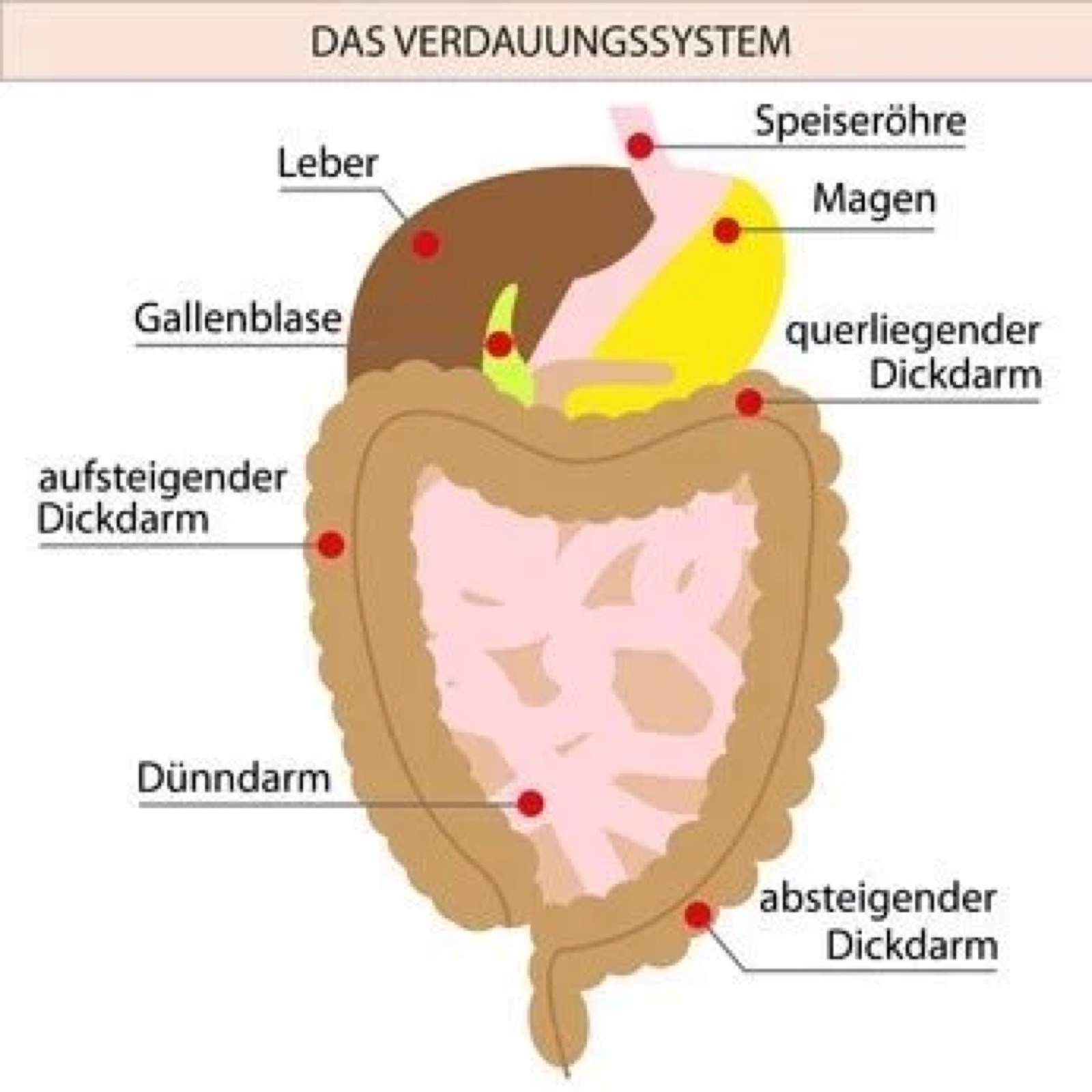
The human gut is home to a large number of different microorganisms. This community is referred to as the gut microbiome and is the subject of intensive scientific research.
The following notes are general, non-binding information. They do not replace individual medical advice. Nor can they replace treatment by a physician, psychotherapist or physiotherapist. We consider the services of physicians, psychotherapists and physiotherapists to be very important. Therefore, ongoing treatment should not be interrupted or discontinued, and treatment that becomes necessary should not be postponed. No promises are made that healing or success will occur.
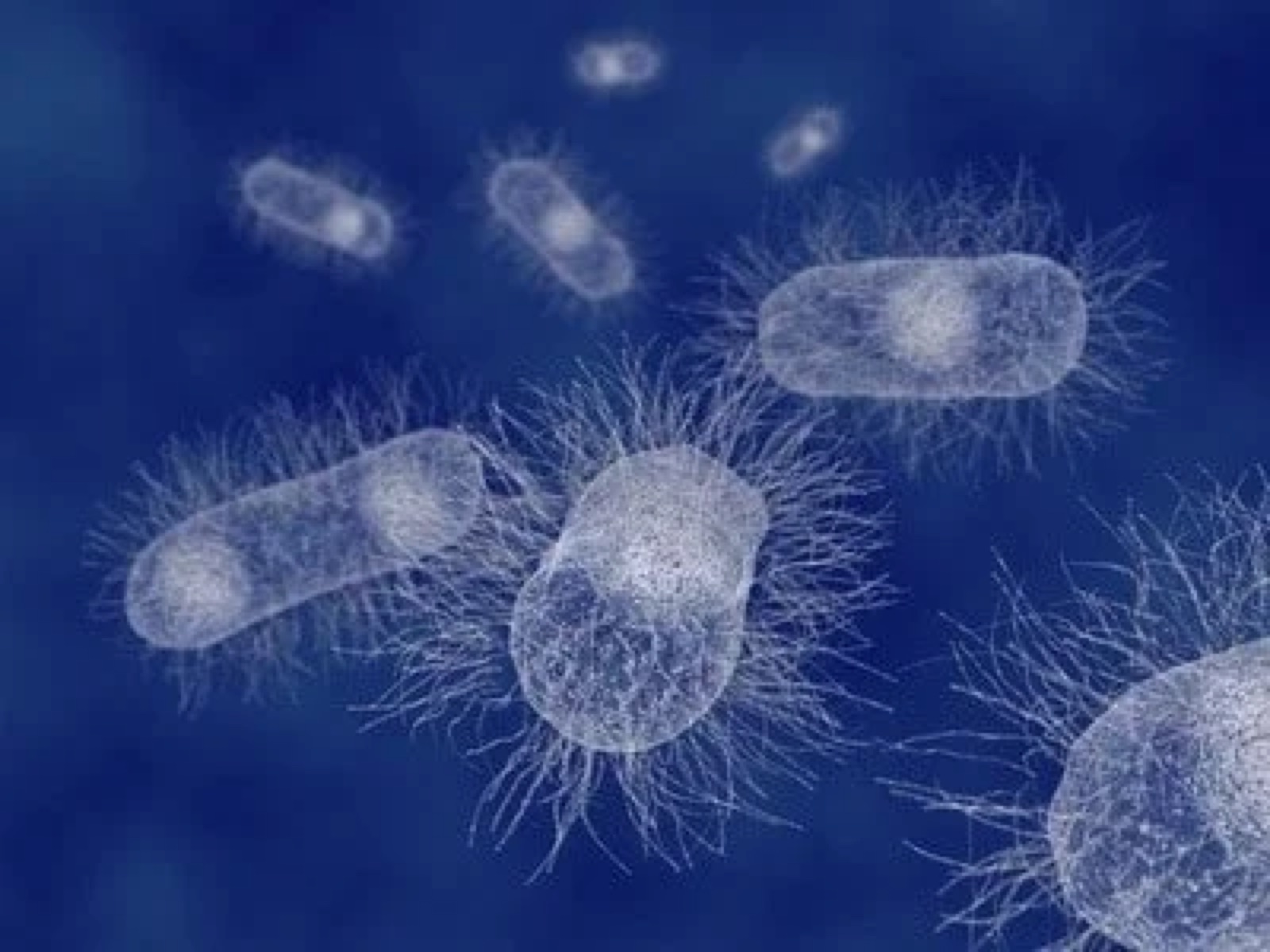
The entirety of all microorganisms in our body is called the microbiome.
Functions, interplay and current research perspectives
The human body does not consist only of its own cells. The gut in particular is home to a large number of microorganisms. This entirety is referred to as the gut microbiome and has been the subject of intensive scientific research for several years.
According to estimates, the gut harbors several hundred to more than a thousand different bacterial strains. The composition of this microbiome differs from person to person and changes over the course of life. Compared with the human genome, which comprises around 20,000 to 25,000 genes, the gut microbiome has a considerably larger genetic repertoire. This diversity explains why the microbiome is attributed a functional role in digestion.
Digestion as a joint process
Digestion is a complex process involving various organs. The stomach, pancreas and bile supply enzymes and digestive juices that break down food components such as carbohydrates, fats and proteins. Certain gut bacteria are involved in further processing these already broken-down substances.
Some bacterial species have a large number of enzymes that can be used to break down complex carbohydrates further. This produces smaller molecules that the body can absorb more easily. Other microorganisms are associated with processes of nutrient utilization at the intestinal mucosa.
Functional changes in the gut
Medical research discusses the possibility that changes in the composition or distribution of gut bacteria may be accompanied by functional digestive complaints. These also include constellations in which bacteria occur in greater numbers in sections of the intestine where they are normally present only in smaller numbers.
Such changes are being investigated in connection with functional disorders such as irritable bowel syndrome. Breath tests, which measure certain gases in exhaled air, are among the methods used for evaluation. These results are always interpreted in a medical context and without clear causal attribution.
Lactose and bacterial activity
Breath tests are also used to evaluate complaints after consuming dairy products. They check whether increased gas formation occurs. The results of such tests are classified in different ways and are related to individual digestive processes and microbial activity in the gut.
The gut as a barrier organ
In addition to digestion, the gut performs an important barrier function. Only when food components have been sufficiently broken down can they be absorbed into the body through the intestinal mucosa. Substances that cannot be utilized, on the other hand, pass through the digestive tract and are excreted.
In this way, the gut regulates which substances enter the organism. These include amino acids, fatty acids, sugar building blocks, vitamins and minerals. This selective function is a central aspect of intestinal physiology.
Diet and the gut microbiome
The composition of the gut microbiome is closely related to dietary habits. Different foods provide different substrates for gut bacteria. Research is investigating in particular the influence of plant foods, fats and proteins on microbial diversity.
Vegetables, oils, fruit and animal products are weighted differently in different dietary concepts. Individual tolerance and the composition of the diet play an important role here. No generally valid statements can be derived from this.
Conclusion
The gut is a complex organ in which the body's own functions and microbial processes are closely linked. The gut microbiome is a dynamic system that is individually shaped and changes over the course of life. Current scientific findings deal with these connections without formulating simple cause-and-effect relationships.
Engaging with the topic of gut bacteria allows a better understanding of digestive processes and their complexity.
Professionally responsible: Yesha Karmeli, naturopathic practitioner (Heilpraktiker), Natura Heilpraxis Berlin. This text provides general information and does not replace individual advice.