Natura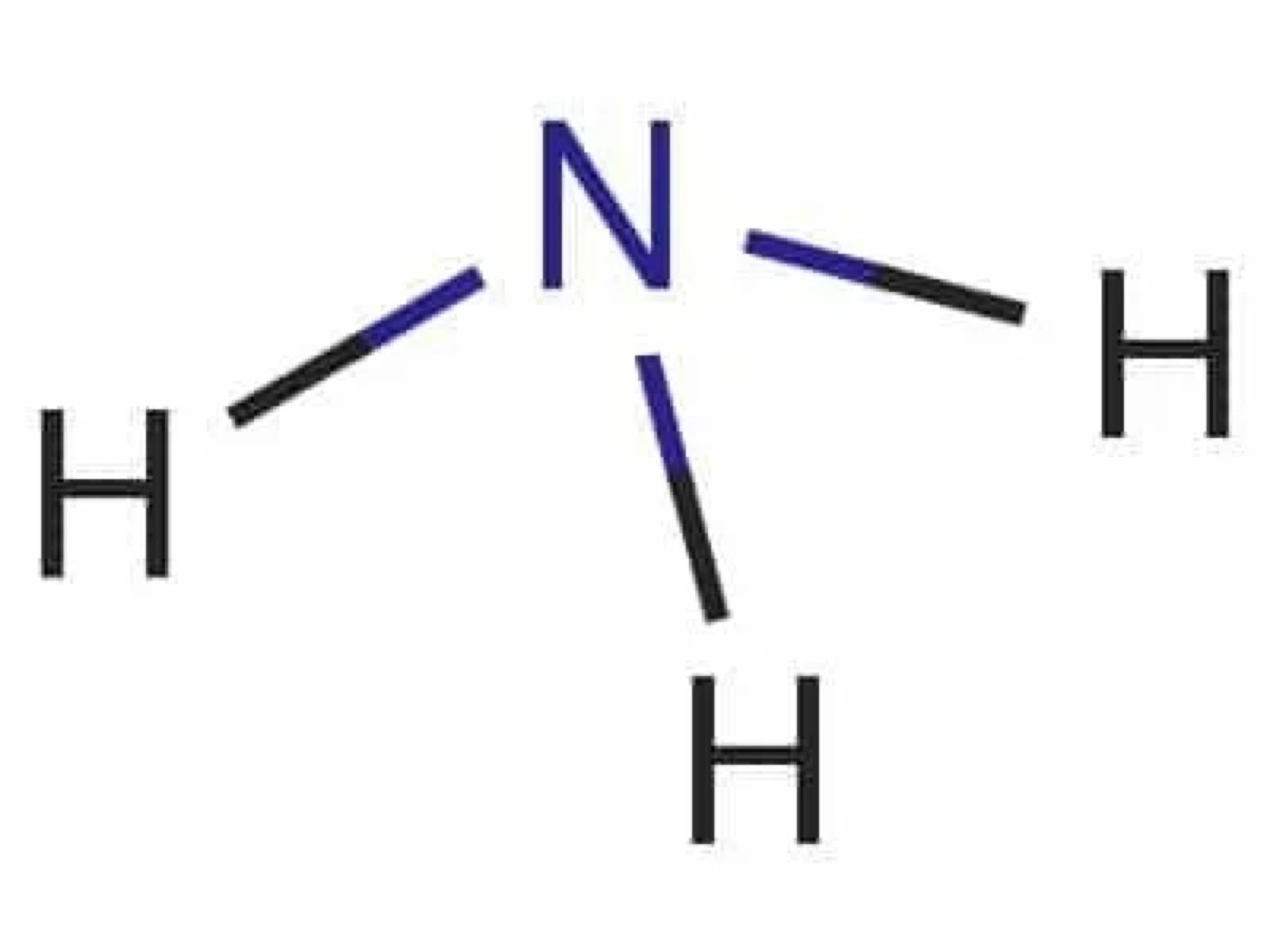
How ammonia (NH₃) is formed in the body and which connections are relevant from a holistic perspective
In the human gut, ammonia is produced mainly as a metabolic product of bacterial protein decomposition. If proteins – especially from animal foods – reach the large intestine insufficiently predigested, they are further metabolized there by so-called putrefactive bacteria. Ammonia, among other things, can be formed in the process. Factors such as eating hastily, incomplete chewing, or a very protein-rich diet can favor this process.
Ammonia is a chemical compound of nitrogen and hydrogen. The body can cope with it at physiological concentrations, but when levels are increased, ammonia poses a challenge for metabolism. Further processing takes place mainly via the liver, which converts ammonia into less toxic substances and excretes them via the kidneys or the bowel.
The following information is general and non-binding. It does not replace individual medical advice. Nor can it replace treatment by a physician, psychotherapist, or physiotherapist. We consider the services of physicians, psychotherapists, and physiotherapists to be very important. Therefore, ongoing treatment should not be interrupted or discontinued, and treatment that becomes necessary in the future should not be postponed. No promises are made that healing or success will occur.
Protein metabolism and intestinal environment
In the large intestine, the pH value has a major influence on whether ammonia remains in the intestinal lumen or is absorbed into the bloodstream. In a more acidic environment, ammonia can be converted into ammonium, which is mainly excreted in the stool. A predominantly alkaline intestinal environment, on the other hand, can favor ammonia being absorbed and passed on to liver metabolism.
From an evolutionary biology perspective, humans are adapted to a mixed, predominantly plant-based diet. Anatomical features such as teeth, enzyme equipment, and intestinal length point to a mixed diet in which plant components make up a substantial share. A diet very rich in protein and meat can therefore contribute to an increased burden on the intestinal environment.
The importance of intestinal flora
A balanced intestinal flora plays a central role in regulating metabolic processes in the gut. Lactic acid-producing bacteria such as lactobacilli and bifidobacteria can support an intestinal environment that reduces unfavorable putrefactive processes. They metabolize plant carbohydrates and contribute to stabilizing the pH value in the gut.
From a holistic perspective, it is assumed that a stable microbial balance supports not only digestion but also the body's detoxification processes. Changes in the intestinal flora, for example after antibiotic therapy, with chronic stress, or with a one-sided diet, can disturb this balance.
Ammonia and cell metabolism
Ammonia is described as potentially stressful for cells, as it can interfere with biochemical processes. Among other things, the scientific discussion describes that elevated ammonia levels can influence metabolic pathways that are relevant for the cells' energy production. Energy production takes place in the mitochondria, the so-called "power plants" of the cells, and depends on a smoothly functioning balance of nutrients and enzymes.
Long-term exposure to metabolic products can – depending on the individual situation – manifest itself in non-specific complaints, for example in the form of exhaustion, reduced performance, or general malaise. These symptoms are non-specific and can have many causes.
Possible accompanying symptoms of increased metabolic burden
In connection with altered intestinal flora and an increased burden of metabolic products, the following non-specific symptoms, among others, are described:
Tiredness and exhaustion
Concentration and memory problems
Digestive complaints such as bloating, a feeling of fullness, or changing bowel movements
General decrease in performance
Joint and muscle imbalances
These complaints do not allow conclusions to be drawn about a specific cause and always require individual clarification.
Holistic view: bowel, liver, and metabolism
The liver and kidneys are significantly involved in the excretion of nitrogen-containing metabolic products. The performance of these organs is closely related to the condition of the bowel. From a holistic perspective, a balanced intestinal environment can help to relieve metabolic processes.
Naturopathic concepts therefore often place emphasis on:
a balanced, predominantly plant-based diet
adequate fluid intake
mindful eating habits (eating slowly, chewing thoroughly)
supporting the intestinal flora with a high-fiber diet
accompanying measures for bowel regulation within individual concepts
Methods such as dietary changes, time-limited relief concepts, or naturopathic bowel procedures are not understood as promises of healing, but as supporting elements within a holistic view of digestion and metabolism.
Conclusion
Ammonia is a natural component of protein metabolism, and its processing is closely linked to intestinal flora, diet, and liver function. From a holistic perspective, a conscious lifestyle and diet, as well as attention to your individual digestive situation, can help to relieve metabolism and support inner balance.
Professionally responsible: Yesha Karmeli, naturopathic practitioner (Heilpraktiker), Natura Heilpraxis Berlin. This text provides general information and does not replace individual advice.