Natura
The question of the source and origin of innate dispositions touches on profound philosophical and spiritual dimensions. These fundamental qualities, which an individual brings with them from birth, form the foundation of personal identity and character. Where exactly these innate traits come from remains partly in the realm of the unknown and is interpreted differently by different disciplines. Some see them as the result of genetic inheritance, others see in them the influences of earlier generations or even spiritual and karmic imprints.
These innate dispositions give a person a unique starting position in life, providing specific talents, inclinations and challenges that shape their capacity for self-realization and for finding their place in the world. They form the basis on which life unfolds, the raw material, as it were, from which the individual forms their personality through experiences and actions.
The acquired part of the self, shaped by interaction with the environment, is by contrast more dynamic and malleable. It comprises the sum of all experiences, learning processes and influences an individual encounters over the course of their life. It is these acquired aspects that can be shaped to a high degree and influenced through conscious decisions and actions. They allow the individual to grow beyond their innate dispositions and to adapt, develop new skills and change behaviors.
The potential for personal development and transformation lies in the synthesis of the innate and the acquired self. Engaging with this dynamic is essential for understanding human nature and for the unfolding of an individual's path in life.

The discourse on the foundations of human life, health and mental state is profound and encompasses both genetic and environmental factors. The distinction between innate and acquired influences is central to research on human behavior and well-being.
The innate constitution of an individual, often referred to as genetic or epigenetic disposition, comprises those traits and tendencies that are conveyed through DNA and epigenetic modifications. Genetic dispositions determine the basic structure and functioning of the body, including possible susceptibilities to certain diseases. Epigenetics, a relatively new field of research, extends this understanding by looking at how environmental influences can modify gene expression without changing the DNA sequence itself. Under certain circumstances, these modifications can also be passed on to subsequent generations, which adds to the complexity of understanding heredity.
Acquired influences, on the other hand, comprise a wide range of factors that act after birth. These include upbringing, education, nutrition, social interactions, experiences and exposure to stress, trauma and illness. These factors play a decisive role in the development of the individual and can have both positive and negative effects on health and psychological well-being. The complexity of environmental influences and their interactions with genetic dispositions are central topics in psychosocial research and practice.
The dynamic interplay between innate and acquired influences shapes the development of each individual in a unique way. Researching this interplay is crucial for developing a deeper understanding of the diversity of human experience and for designing more effective strategies to promote health and well-being. While genetic makeup provides an important foundation, it is lifelong experiences and environmental influences that have the potential to shape and modify these dispositions in many different ways.

The dynamic interplay between innate and acquired influences shapes the development of each individual in a unique way.
The innate constitution of an individual, including basic physical structure, metabolism, behavioral tendencies, character and emotional and mental predisposition, is indeed usually difficult to change. These deeply rooted traits form the basis of individual disposition and significantly influence how a person reacts to and interacts with their environment.
In contrast, the acquired aspects of the self – those shaped by experiences, environmental influences and personal development – offer far greater flexibility and openness to change. Individuals have the opportunity to influence and shape these aspects of their being through deliberate effort and conscious practices. Methods such as coaching, self-observation, awareness work and targeted training address acquired patterns and behaviors and deal with personal development.
To illustrate this scope for influence and self-shaping, here are three suggested exercises that can be used to become aware of acquired and possibly unresolved aspects and to work on them:
Reflection and journaling: Start the day with a short period of reflection in which you think about the challenges ahead and the feelings associated with them. At the end of the day, write down your experiences, reactions and emotions in a journal. This practice directs attention to self-perception and to recurring patterns.
Mindfulness practice: Incorporate daily mindfulness exercises such as mindfulness meditation or mindful breathing into your everyday life. These practices can help you experience the moment more consciously, recognize automatic reactions and create space for more conscious decisions.
Seeking constructive feedback: Ask trusted people around you for constructive feedback on specific behaviors or patterns you would like to change. An outside view can open up new perspectives and supports awareness of your own blind spots.
These exercises aim to sharpen awareness of acquired behaviors and emotional reactions and offer approaches for actively working on transforming them. By consciously engaging with these aspects, individuals can take steps toward a more fulfilled and more conscious life.
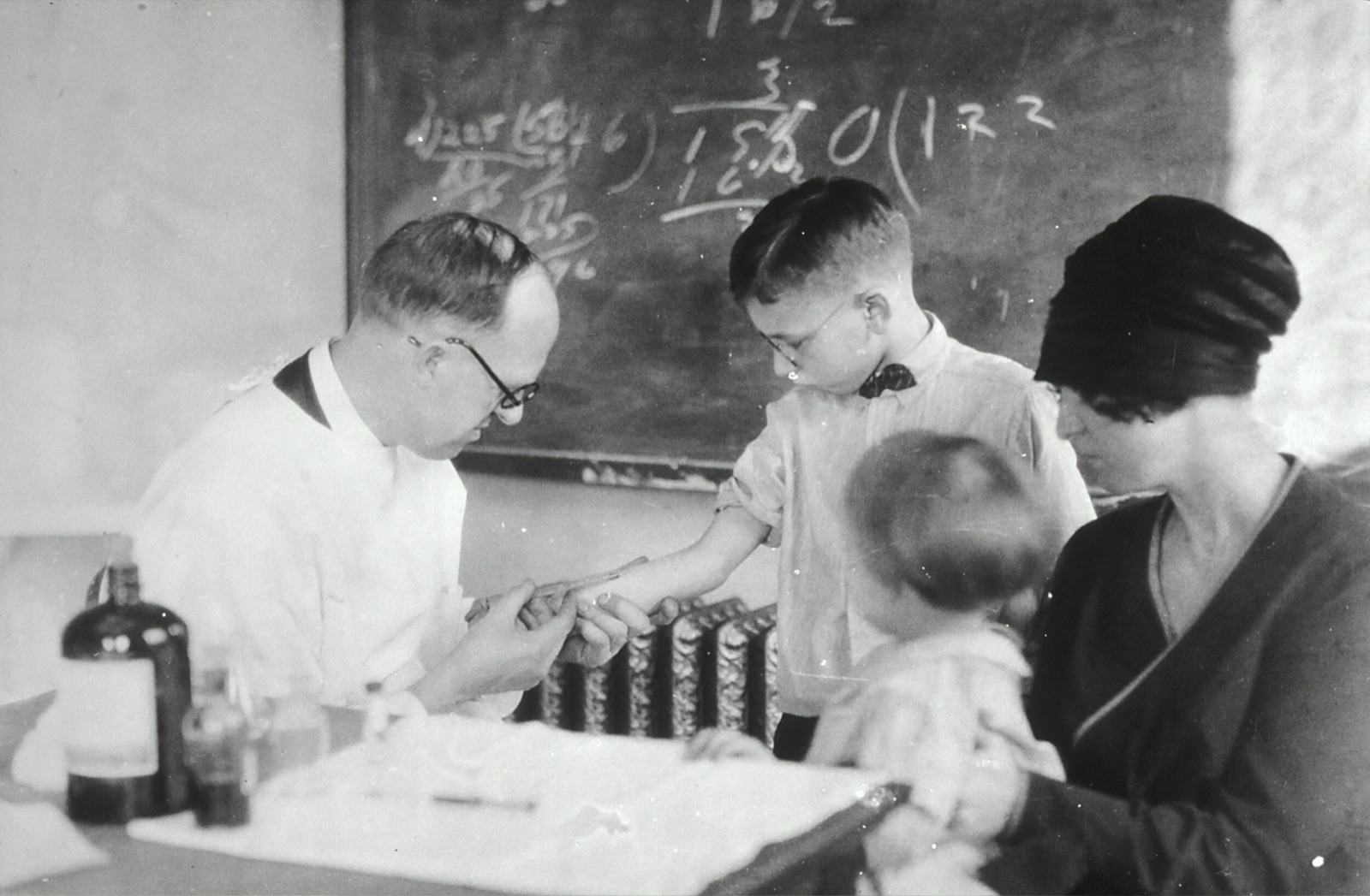
the innate and the acquired immune system.
The immune system plays a central role in defending against pathogens and foreign substances. It can be divided into two main components: the innate and the acquired immune system. Both systems work hand in hand to protect the body from infections and diseases, with each system having its own specific functions and mechanisms.
Innate immune system
The innate immune system is the body's first line of defense against pathogens. It is present from birth and reacts quickly to a wide range of microorganisms. Innate immunity is non-specific, which means that it is not directed against a particular pathogen but provides a general defense against all kinds of pathogens. The components of the innate immune system include:
Physical barriers: such as skin and mucous membranes, which prevent pathogens from entering.
Chemical barriers: such as stomach acid and antimicrobial peptides, which can kill or inactivate microorganisms.
Cells: such as natural killer cells, macrophages and neutrophil granulocytes, which recognize and destroy pathogens.
Inflammatory response: A rapid response to an injury or infection, characterized by the release of chemical signals that increase blood flow to the affected area and attract immune cells.
Acquired immune system
The acquired (or adaptive) immune system develops in response to exposure to pathogens and provides a specific defense against repeated infections by the same pathogen. This type of immunity is based on the recognition of specific antigens and has the ability to retain a "memory" of earlier encounters with particular pathogens, which leads to a faster and stronger response to future infections. The key components of the acquired immune system include:
Lymphocytes: including B cells and T cells, which recognize and fight specific antigens.
Antibodies: proteins produced by B cells that bind specific antigens in order to mark them for destruction.
Immunological memory: After an infection, some B and T cells leave behind a long-term memory that enables a faster and more effective immune response on future encounters with the same pathogen.
The close interlinking of both immune systems enables a comprehensive and effective response to infections. While the innate immune system provides a rapid but non-specific response, the acquired immune system ensures specific and long-lasting immunity against particular pathogens.
The way the human immune system works can be described by the interplay of innate and acquired components, which are shaped both by genetic factors and by environmental influences and individual experiences. This duality enables a flexible and efficient response to a broad spectrum of pathogens.
Genetic foundations of the immune system
Innate immunity is largely genetically determined and represents a general, non-specific defense against pathogens that is active from birth. The components of the innate immune system, such as certain cell types (e.g. macrophages, dendritic cells, natural killer cells) and physical barriers (skin, mucous membranes), are encoded by genetic information that is inherited across generations. This genetic basis determines the immune system's fundamental ability to react quickly to invading microorganisms, although the efficiency and specificity of this response can depend on individual genetic variations.
Acquired immunity and environmental influences
In contrast, acquired immunity is the result of the organism's individual engagement with its environment. Through contact with various antigens over the course of life, the immune system "learns" to respond specifically to particular pathogens. This learning process leads to the formation of memory cells, which enable a rapid and targeted response when the body is confronted with the same pathogen again. The capacity for adaptation and immunological memory is made possible genetically, but it is shaped by individual experiences with specific pathogens.
Bringing together the innate and the acquired
The integration of innate and acquired immune mechanisms enables a highly effective immune response. While the innate immune system provides a first, rapid line of defense, the acquired immune system develops specific, long-lasting immunity to recurring pathogens. This combination of innate resistance and learned adaptability forms the basis of the complex and dynamic nature of the human body's immune response.

In therapeutic practice, differences between innate dispositions and acquired problems can be clearly recognized.
In therapeutic practice, differences between innate dispositions and acquired problems can be clearly recognized.
With genetic or innate dispositions, the possibilities for direct influence initially seem limited. However, the findings of epigenetics open up ways in which innate factors can also be influenced indirectly, by modifying the way genes are expressed.
With acquired problems resulting from environmental influences and experiences during pregnancy, birth and childhood, therapy offers a broad spectrum of approaches. These range from approaches that deal with absorption and mitochondrial function to naturopathic concepts of detoxification and approaches relating to inflammatory processes. In addition, the psychosocial component plays an important role by addressing attitudes, thought patterns and emotional imprints from childhood that can cause stress and thus health problems.
These different therapeutic approaches focus on the acquired factors. Even with a genetic predisposition to certain diseases or conditions, the acquired factors can be examined and consciously shaped.
Professionally responsible: Yesha Karmeli, naturopathic practitioner (Heilpraktiker), Natura Heilpraxis Berlin. This text provides general information and does not replace individual advice.