Natura
Inflammation is a complex reaction of the immune system to harmful stimuli such as infections, injuries or irritants. Although inflammation is often seen as something negative, it is actually an important part of the body's healing process. In this article, we take a closer look at the causes, symptoms and treatment options for inflammation.

Although inflammation initially serves as an effective protective mechanism of the body against danger, it can pave the way for dangerous diseases when it becomes chronic. Heart attack, stroke, Parkinson's disease and multiple sclerosis are just a few examples of diseases associated with long-lasting inflammation. In addition, studies point to a potential connection between chronic inflammation and diseases such as dementia, depression and cancer.
Causes of inflammation:
Inflammation can be triggered by various factors, including:
Infections: Bacteria, viruses or other microorganisms can enter the body and trigger an inflammatory response.
Injuries: Cuts, burns, bruises or other types of injury can lead to local inflammation.
Autoimmune diseases: In autoimmune diseases, the immune system mistakenly attacks the body's own tissue, which can lead to chronic inflammation.
Toxic substances: Heavy metals, chemicals, allergens or environmental toxins can trigger inflammation in the body, especially when exposure is regular or in large amounts.

The symptoms of inflammation can vary depending on the cause and the area affected, but may include the following:
Symptoms of inflammation:
Pain: Inflammation is often accompanied by pain, which can range from mild to severe.
Swelling: The affected area can swell as fluid and immune cells migrate into the affected tissue.
Redness: Inflammation is often accompanied by reddening of the skin, as blood vessels dilate to carry more blood and immune cells to the site of inflammation.
Warmth: The affected area may feel warm because more blood is flowing through it.
Loss of function: Inflammation can restrict the function of the affected area, for example through limited movement in joint inflammation.
General treatment of inflammation:
The treatment of inflammation depends on its cause and severity. However, some general treatment methods may include the following:
Medication: Anti-inflammatory drugs such as non-steroidal anti-inflammatory drugs (NSAIDs) can relieve pain and inflammation. For more severe inflammation, corticosteroids may be prescribed.
Rest: Resting and protecting the affected area can help reduce inflammation and support the healing process.
Heat or cold therapy: Depending on the type of inflammation, applying heat or cold can have a soothing effect. Heat can promote blood flow and support muscle relaxation, while cold can reduce swelling and pain.
Diet and lifestyle: A healthy diet, sufficient sleep and stress management can help reduce inflammation in the body.
Treating the underlying condition: If inflammation is caused by an underlying condition such as an infection or autoimmune disease, treating this underlying condition is crucial.

Classic therapies of naturopathy:
Naturopathy: In naturopathy, various herbs and plant extracts are described in connection with inflammation, including turmeric, ginger, bromelain (from pineapple) and boswellia. These can be taken in the form of dietary supplements or applied externally.
Vitamins, minerals and amino acids: In naturopathy, omega-3 fatty acids, vitamin D, vitamin C, magnesium and glutamine, among others, are mentioned in connection with inflammation. Vitamin C and vitamin D contribute to the normal function of the immune system.
Anti-inflammatory diet: In naturopathy, a diet with so-called anti-inflammatory foods is described. These include omega-3 fatty acids (from fish, flaxseed, chia seeds), fresh fruit and vegetables (especially berries, green leafy vegetables, ginger, turmeric), nuts and seeds, as well as herbs and spices considered anti-inflammatory.
Mitochondrial therapy: The mitochondria are the energy producers of the cells and play an important role in regulating inflammation. Oxyvenation is a naturopathic method that is classed as mitochondrial therapy. In it, medical oxygen (O2) is administered intravenously in small amounts.
It is important to note that severe or persistent inflammation requires medical attention. Before you make changes to your diet or lifestyle or take dietary supplements, you should consult your physician, especially if you have existing health problems or take medication.
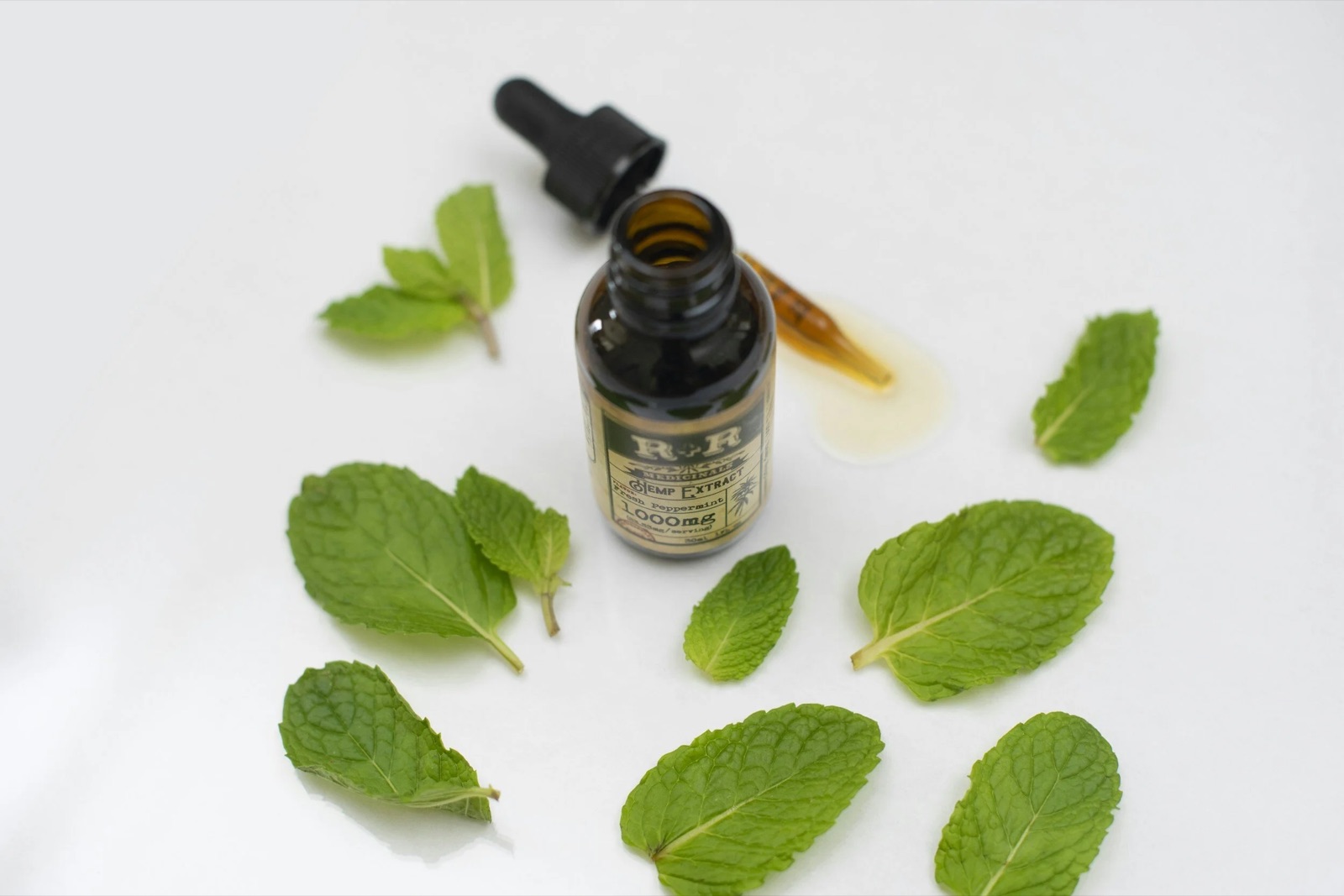
Herbs and plants described in naturopathy in connection with inflammation:
Here is a list of herbs and plants that are described in naturopathy in connection with inflammation:
Turmeric: Contains the plant compound curcumin, which is described in naturopathy in connection with inflammation.
Ginger: Described in naturopathy in connection with various types of inflammation, including arthritis.
Boswellia: Also known as frankincense; traditionally mentioned in naturopathy in connection with inflammation and pain, especially in conditions such as arthritis.
Ginkgo biloba: Contains antioxidant compounds that are described in naturopathy in connection with inflammation.
Bromelain: An enzyme found in pineapple. It is described in naturopathy in connection with inflammatory conditions such as arthritis.
Green tea: Rich in antioxidants, especially epigallocatechin gallate (EGCG), which is described in naturopathy in connection with inflammation.
Garlic: Contains sulfur compounds that are described in naturopathy in connection with inflammation and the immune system.
Ginseng: Described in naturopathy in connection with inflammation and the immune system.
Oregano: Contains compounds such as rosmarinic acid and carvacrol, which are described in naturopathy in connection with inflammation.
Cayenne pepper: Contains capsaicin, which is described in naturopathy in connection with inflammation and pain.
It is important to note that herbs and plants should be used with caution. It is advisable to consult our team or an experienced herbalist before taking herbs or plant extracts, especially if you have existing health problems or take medication.
Here are some anti-inflammatory measures you can take at home:
Anti-inflammatory diet: Eat foods considered to have anti-inflammatory properties, such as omega-3 fatty acids (from fish oil, flaxseed, chia seeds), fresh fruit and vegetables (especially berries, green leafy vegetables, ginger, turmeric), nuts and seeds.
Heat or cold therapy: Depending on the type of inflammation, applying heat or cold can help. A hot-water bottle or a warm towel can help with muscle inflammation, while ice packs can have a soothing effect on swelling and acute injuries.
Rest: Give the inflamed area enough rest to support healing. Avoid excessive strain or movement that could make the inflammation worse.
Relaxation techniques: Stress can intensify inflammation. Try techniques such as meditation, yoga, deep breathing or progressive muscle relaxation to reduce stress.
Healthy sleep: Make sure you get enough sleep, as lack of sleep can intensify inflammation. Create a pleasant sleeping environment and keep regular bedtimes.
Hydration: Drink enough water to keep your body hydrated. Sufficient fluid intake is a basis for many bodily functions.
Weight management: Excess weight can intensify inflammation in the body. A healthy diet and regular physical activity can help control weight and reduce inflammation.
Limit smoking and alcohol: Smoking and excessive alcohol consumption can intensify inflammation in the body. Try to reduce or avoid these substances.
Natural remedies: In naturopathy, some herbs and dietary supplements are described in connection with inflammation, such as ginger, turmeric, bromelain (from pineapple) or omega-3 fatty acids. However, always consult your physician before taking new supplements.
Anti-inflammatory creams or ointments: For local inflammation, over-the-counter anti-inflammatory creams or ointments can provide relief. Be sure to follow the instructions on the label and consult your physician if you have any concerns.
It is important to note that severe or persistent inflammation should be reported to us or requires contact with a physician. So if you notice severe pain, swelling or other symptoms, contact us or a medical professional.
Professionally responsible: Yesha Karmeli, naturopathic practitioner (Heilpraktiker), Natura Heilpraxis Berlin. This text provides general information and does not replace individual advice.