Natura
Peripheral artery disease (PAD) – often called "smoker's leg" – and diabetic neuropathy frequently lead to severe circulatory disorders in the extremities.
In patients, peripheral artery disease (PAD) can become visible in the form of open wounds, necrotic areas and inflammation on the leg. Diabetic foot problems in particular manifest as:
Open wounds and necrosis: due to poor blood supply and increased inflammatory processes.
Pain at rest: often caused by ischemic and neuropathic processes.
Increased sensitivity to touch as well as stabbing, burning pain: classic symptoms of diabetic neuropathy.
Claw toes and increased callus formation: a result of insufficient sensation and impaired muscle control.
Acute inflammatory changes: redness, swelling and warmth can indicate infections, even if pain is sometimes absent.
These problems carry a high risk that conventional treatment measures – such as surgical procedures or amputations – will become necessary. In addition to medical treatment, naturopathy describes various methods, which are presented below.
1. Oxyvenation (Oxyven O₂ therapy)
Principle:
In oxyvenation (Oxyvenierung, intravenous oxygen therapy after Dr. Regelsberger), oxygen is introduced into a vein (i.v.) using a special device. In naturopathy, the method is described in the following contexts:
Cell metabolism: the method is described in connection with the energy metabolism of the cells.
Circulation: in naturopathy, oxyvenation is used in connection with circulatory disorders.
Wounds: the care of open wounds and necrotic areas belongs in medical hands; at most, oxyvenation may be discussed as an accompanying measure.
Application:
This therapy is carried out in specialized centers under medical supervision. The course of treatment and the frequency of sessions are tailored individually to the patient's condition.
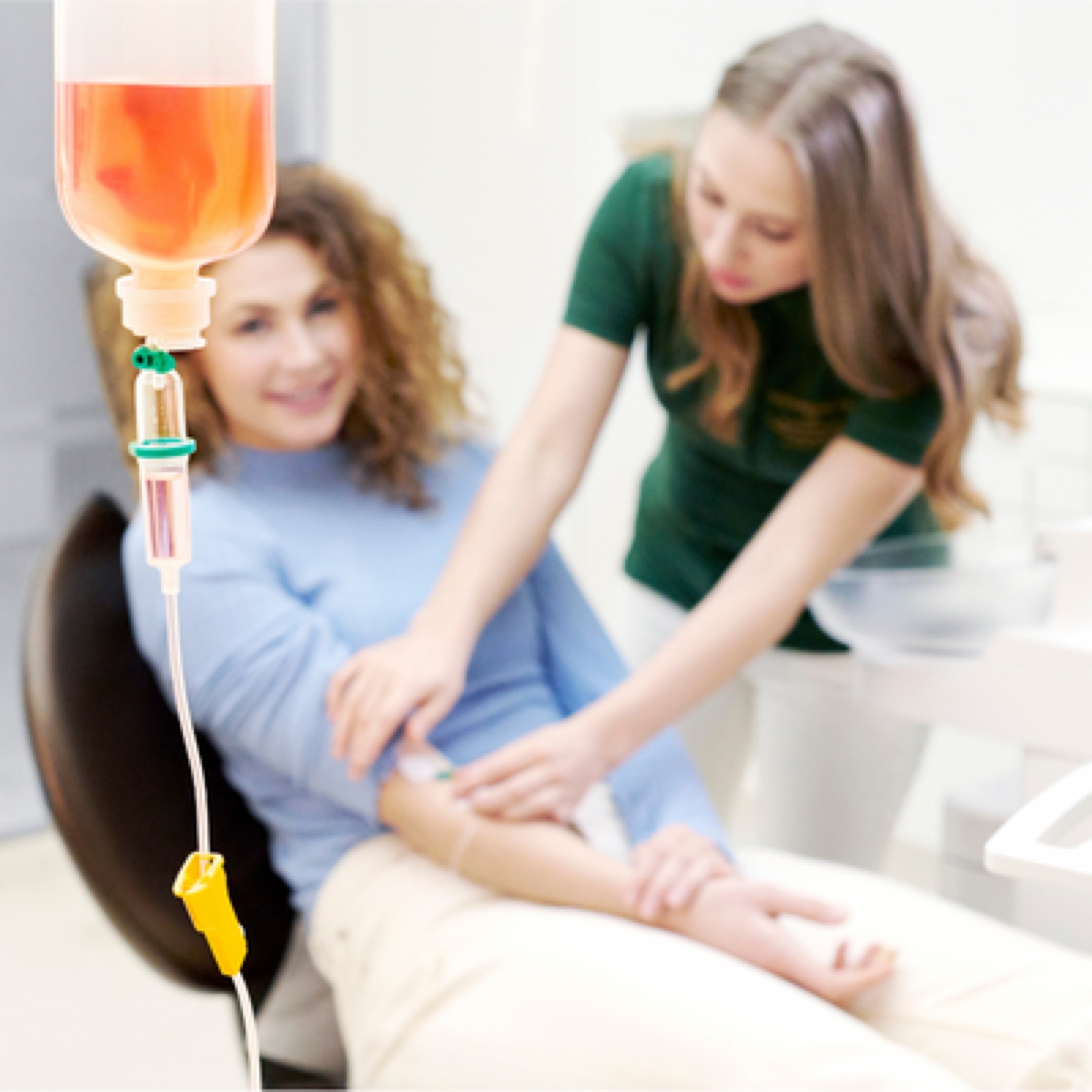
Vitamin infusion in connection with cell metabolism
2. Vitamin infusion
Principle:
In a vitamin infusion, vitamins and minerals are given directly into the bloodstream. In naturopathy, it is described in the following contexts:
Mitochondria: the "power plants" of the cells need vitamins and minerals, among other things, to produce ATP (cellular energy).
Oxidative stress: vitamin C and vitamin E contribute to the protection of cells from oxidative stress.
Inflammatory processes: the relationship between nutrient supply and inflammatory processes is the subject of research.
Application:
The infusions are administered in clinics or specialized practices. The composition of the infusion solution is adapted to the individual needs and the severity of the condition.
3. Holistic approaches
Chronic inflammation contributes significantly to the deterioration of vascular health. In a holistic context, the following topics are discussed:
Nutritional therapy
Antioxidant-rich diet: fruit, vegetables, nuts and seeds contain numerous antioxidants.
Omega-3 fatty acids: fish oil/algae oil and other sources provide omega-3 fatty acids, whose role in inflammatory processes is being studied.
Herbal remedies
Plant extracts: ingredients such as curcumin (from turmeric) or ginger are offered as dietary supplements and are described in naturopathy in connection with inflammatory processes.
Note on use: quality and dosage should always be agreed with a physician or pharmacist.
Physical therapies
Cold and heat therapy: depending on the acute situation, local applications of cold or heat may be considered – in consultation with the treating physician.
Exercise therapy
Moderate, regular exercise: targeted exercise programs are among the generally recommended measures for circulatory disorders.
Individual adjustment: the training program must be adapted to the patient's current state of health and physical abilities.
Holistic support
The combination of oxyvenation, vitamin infusions and nutrition- and exercise-based measures represents a holistic, accompanying approach. Topics include:
Circulation and oxygen supply to the tissue as part of medical wound care.
Cellular energy production and nutrient supply.
Inflammatory processes in connection with vascular damage.
Interdisciplinary coordination – involving vascular specialists, diabetologists, internists and other specialties – is crucial here. Whether and when surgery is necessary is decided by the treating physicians.
Source data and further information
The content presented here refers to publications on the following topics:
Peripheral artery disease (PAD)
Diabetic foot syndromes and neuropathic pain
Oxyven O₂ therapy
Vitamin infusions and mitochondrial support
Alternative approaches to inflammatory processes and dietary recommendations
It is important for patients to inform themselves comprehensively and to discuss the various treatment options with their treating physicians in order to draw up the best treatment plan for them.
1. What is oxyvenation (O₂ therapy) and how does it work?
Oxyven O₂ therapy is a method in which oxygen is introduced into the veins (i.v.) using special devices. In naturopathy, the method is described in connection with circulation and cell metabolism. The treatment of open wounds belongs in medical hands.
2. What are vitamin infusions and what role do mitochondria play in wound healing?
In vitamin infusions, vitamins and minerals are given directly into the bloodstream. Among other things, these nutrients are involved in the energy metabolism of the mitochondria (the power plants of the cells). No effect on the healing of open wounds is promised.
3. What role do naturopathic measures play in inflammation?
Complementary measures such as a targeted diet (rich in antioxidants and omega-3 fatty acids), herbal preparations (for example curcumin and ginger), physical therapies (cold and heat applications) and moderate exercise are described in naturopathy in connection with inflammatory processes. They do not replace medical treatment.
4. How safe are these alternative therapy approaches?
The alternative approaches presented, such as Oxyven O₂ therapy, vitamin infusions and nutrition-based measures, are carried out in specialized facilities. However, it is important that these methods are always used as complementary treatment options and in close consultation with your treating physician or specialist. Individual adjustment to your state of health is essential.
5. Should I see these alternative therapies as a replacement for or only as a complement to conventional treatment?
These alternative approaches should be understood primarily as a complement to conventional treatment methods. They do not replace the necessary standard medical therapy for PAD and open leg wounds. It is essential to discuss all treatment options with your physician in order to draw up a treatment plan tailored to your individual needs.
The treatment of an open leg wound in PAD and diabetic foot syndrome requires an integrative, holistic approach. Methods such as oxyvenation, vitamin infusions and nutrition- and exercise-based measures can be discussed as a complement to medical treatment. What matters is an individual, interdisciplinary treatment plan under medical direction.
Note: This article is for information purposes only. Individual treatment decisions should always be made in close consultation with your treating physician.
Sources:
Journal of Vascular Medicine – "Oxygen Therapy in Peripheral Arterial Disease", 2020.
Nutritional Therapy Journal – "Intravenous Vitamin Therapy and Mitochondrial Function", 2019.
Alternative Medicine Review – "Anti-Inflammatory Approaches in Vascular Disease", 2021.
Vascular Health Journal – "Avoiding Surgery in Peripheral Arterial Disease: A Multimodal Approach", 2022.
Professionally responsible: Yesha Karmeli, naturopathic practitioner (Heilpraktiker), Natura Heilpraxis Berlin. This text provides general information and does not replace individual advice.