Natura
Eight to ten percent of people in Germany take antidepressants. Most patients could stop taking them after about a year – however, discontinuation should only take place in consultation with a physician. Yet according to studies, more than one in three people take antidepressants for longer than necessary.
For decades, the conventional pharmacological treatment of mental disorders has been based on the approach of regulating the balance of neurotransmitters in the brain – particularly serotonin, norepinephrine, and dopamine. Medications such as selective serotonin reuptake inhibitors (SSRIs), serotonin-norepinephrine reuptake inhibitors (SNRIs), tricyclic antidepressants (TCAs), and atypical substances aim to modulate current neurotransmitter levels in a way that relieves symptoms such as depression, anxiety, panic attacks, and other psychological complaints.
However, numerous critical voices and recent research findings indicate that this symptom-oriented approach often leaves the underlying problem – for example, a serotonin deficiency – unaddressed. Pharmacological treatment mainly intervenes at the end stage of the disorder without taking deeper causes into account, such as a disturbed gut microbiome or an impaired intestinal barrier ("leaky gut"). It is worth noting that around 90% of the body's serotonin is produced in the gut. A disturbance of intestinal functions can therefore have a direct impact on neurotransmitter synthesis and regulation in the brain.
A holistic check-up for more clarity about your current health status – at our practice in Berlin or online via our platform.
A holistic check-up for more clarity about your current health status – at our practice in Berlin or online via our platform.
Ory - Clarity for your health. Basic Check-Up
€1,541.90
Basic Check-Up
€1,541.90
We offer you a comprehensive, holistically oriented service for gathering findings and assessing your personal situation. Various physical, lifestyle-related, and individual aspects are taken into account.
The aim is to record your current situation in a structured way and put it into understandable context. On this basis, holistically oriented support options can be discussed that give you orientation and ideas for conscious self-care in everyday life.
1. The Conventional Concept of Antidepressants
Drug therapy for mental illness mainly follows a classic principle:
Objective: Modulation of the neurotransmitter balance
Active substances:
SSRIs (e.g., fluoxetine, sertraline, paroxetine, citalopram, escitalopram)
SNRIs (e.g., venlafaxine, duloxetine)
Tricyclic antidepressants (e.g., amitriptyline, nortriptyline)
Atypical antidepressants (e.g., mirtazapine, vortioxetine)
By inhibiting the reuptake of neurotransmitters, these medications are intended to increase their concentration in the synaptic cleft. This often results in an improvement of symptoms, such as better mood, reduced anxiety, and more stable sleep. But while many patients obtain relief from this form of therapy, it often remains unclear why a neurotransmitter imbalance – for example, a serotonin deficiency – occurs in the first place.
2. Overview Table: Common Antidepressants in Europe
Below you will find a tabular overview of some of the antidepressants commonly used in Europe, their mechanisms of action, typical indications, and frequently reported side effects:
Overview Table: Common Antidepressants in EuropeThe conventional pharmacological treatment of mental disorders is based on the approach of regulating the balance of neurotransmitters in the brain – particularly serotonin, norepinephrine, and dopamine. Medications such as selective serotonin reuptake inhibitors (SSRIs), serotonin-norepinephrine reuptake inhibitors (SNRIs), tricyclic antidepressants (TCAs), and atypical substances aim to modulate current neurotransmitter levels in a way that relieves symptoms such as depression, anxiety, panic attacks, and other psychological complaints.
Criticism and open questions: Although this symptom-oriented approach provides relief for many patients, the question of why an imbalance – for example, a serotonin deficiency – occurs in the first place is often overlooked. Pharmacological treatment primarily intervenes at the end stage of the disorder without addressing the deeper causes. At the same time, there is growing evidence that the gut microbiome and diet play a central role. Around 90% of the body's serotonin is produced in the gut, and a disturbed microbiome or an impaired intestinal barrier ("leaky gut") can lead to altered neurotransmitter synthesis and regulation.
| Antidepressant | Drug class | Mechanism of action | Typical indications | Common side effects |
|---|---|---|---|---|
| Fluoxetine | SSRI | Selectively inhibits serotonin reuptake | Depression, obsessive-compulsive disorder, bulimia | Nausea, sleep disturbances, sexual dysfunction |
| Sertraline | SSRI | Selectively inhibits serotonin reuptake | Depression, anxiety disorders, PTSD | Gastrointestinal complaints, insomnia, sexual dysfunction |
| Paroxetine | SSRI | Selectively inhibits serotonin reuptake | Depression, anxiety disorders, panic disorders | Weight gain, drowsiness, sexual dysfunction |
| Citalopram | SSRI | Selectively inhibits serotonin reuptake | Depression, anxiety disorders | Nausea, dry mouth, drowsiness |
| Escitalopram | SSRI | Selectively inhibits serotonin reuptake | Depression, anxiety disorders | Nausea, dizziness, sexual dysfunction |
| Venlafaxine | SNRI | Inhibits reuptake of serotonin and norepinephrine | Depression, generalized anxiety disorder | Nausea, increased blood pressure, headache |
| Duloxetine | SNRI | Inhibits reuptake of serotonin and norepinephrine | Depression, neuropathic pain, anxiety disorders | Dry mouth, nausea, drowsiness |
| Amitriptyline | TCA | Inhibits reuptake of serotonin and norepinephrine; anticholinergic and sedative effects | Depression, neuropathic pain, sleep disorders | Dry mouth, weight gain, sedation, cardiac arrhythmias |
| Nortriptyline | TCA | Similar to amitriptyline, often milder side effect profile | Depression | Dry mouth, drowsiness, weight gain |
| Mirtazapine | Atypical | Blocks 5-HT₂ and 5-HT₃ receptors; indirectly promotes the release of serotonin and norepinephrine | Depression, anxiety disorders | Weight gain, increased appetite, sedation |
| Vortioxetine | Multimodal | Inhibits serotonin reuptake and modulates serotonin receptors | Depression | Nausea, dizziness, headache |
While classic antidepressants continue to play an important role in the treatment of mental disorders, research and clinical practice should not overlook the gut-brain connection.
3. Criticism of the Symptom-Oriented Approach and Open Questions
Although drug therapy leads to significant symptom relief in many patients, the question of why a neurotransmitter imbalance occurs in the first place is often overlooked. Key points discussed in this context include:
Causes of the imbalance:
Why does a serotonin deficiency develop, for example? Purely symptomatic treatment intervenes at the end stage of the illness without addressing the deeper causes.Role of the gut microbiome and diet:
Around 90% of the body's serotonin is produced in the gut. A disturbed microbiome or an impaired intestinal barrier – often referred to as "leaky gut" – can lead to altered synthesis and regulation of neurotransmitters. Impaired intestinal health may therefore be an important (and so far underappreciated) cause of psychological complaints.
A holistic check-up for more clarity about your current health status – at our practice in Berlin or online via our platform.
Ory - Clarity for your health. Gut Check-Up
€490.90
Gut Check-Up
€490.90
The Gut Check-Up is a holistically oriented service for a structured assessment of your gut and digestive context. It is intended for people who want to take a conscious look at their digestion, diet, and general well-being.
The aim is to better understand connections and to create a sound basis for orientation and further holistic support – not the diagnosis or treatment of diseases.
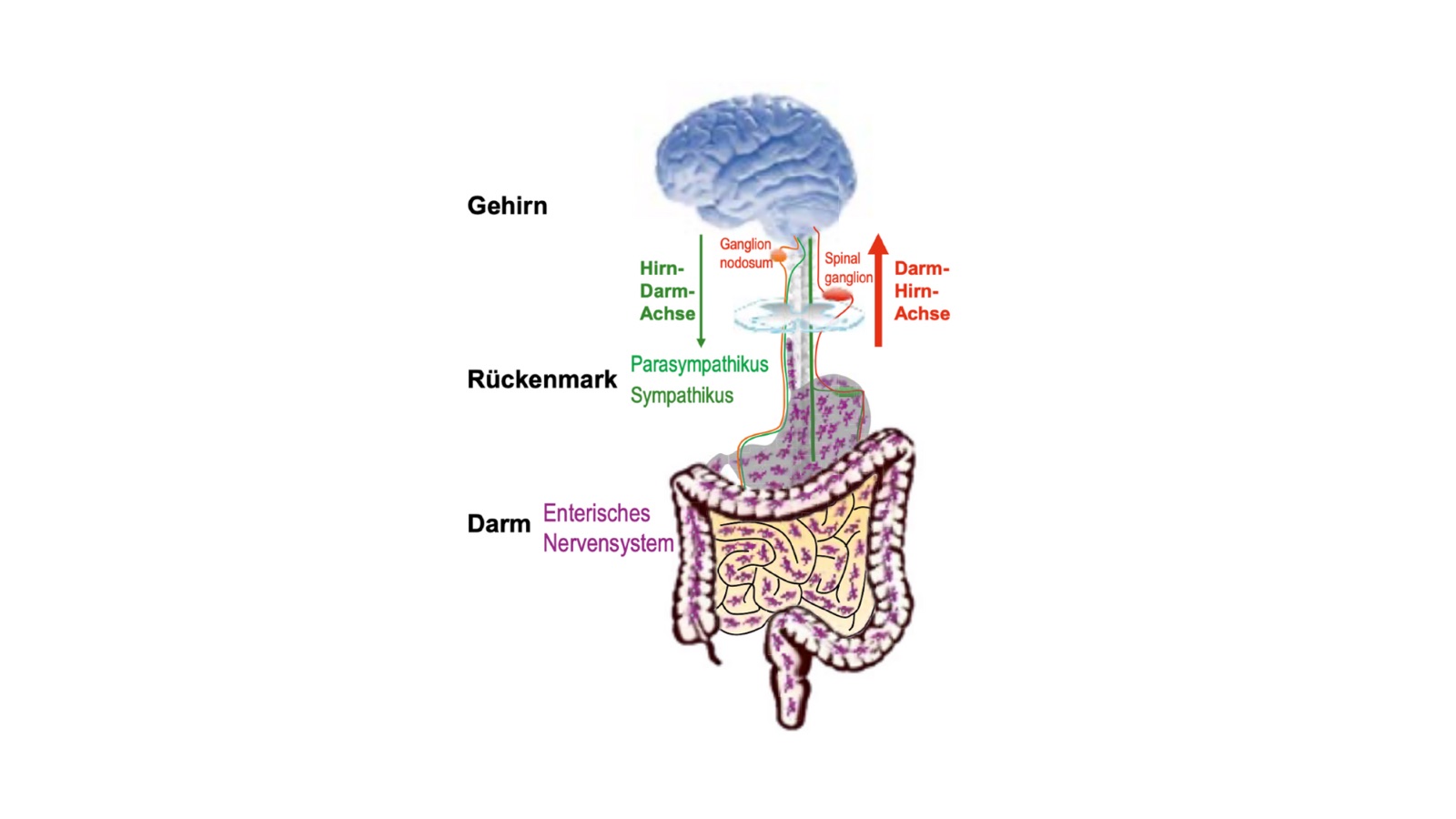
4. The Gut-Brain Connection – An Often Neglected Aspect
The central role of the gut:
The gut has numerous tasks in the body. In addition to the controlled and highly selective absorption of nutrients, it is an essential component of the immune system. The intestinal mucosa and the microflora residing there protect the body from pathogenic germs and, via so-called "tight junctions," prevent the uncontrolled entry of unwanted substances.
Leaky gut – what does it mean?
"Leaky gut" refers to a state of increased intestinal permeability in which the integrity of the intestinal barrier is disturbed. The following aspects are central here:
Microbiota: An intact and diverse intestinal flora competes with pathogenic microorganisms and thus protects against infections.
Mucus production and sIgA: Mucosal mucus not only ensures the smooth passage of chyme but, together with secretory immunoglobulin A (sIgA), also forms a first line of defense against invading antigens.
Epithelial cell layer: An intact layer and functioning tight junctions prevent unwanted substances from entering the bloodstream. If this barrier is compromised, a systemic inflammatory response can occur.
Consequences of a leaky gut:
A permeable gut allows more antigens, toxins, or incompletely digested food components to enter the body. This can lead to chronic inflammatory processes that affect TRP metabolism. The inflammation-induced activation of enzymes such as IDO (indoleamine 2,3-dioxygenase) increasingly diverts tryptophan into the kynurenine pathway – at the expense of serotonin and melatonin synthesis. A resulting deficiency of serotonin and melatonin can favor the development and persistence of depression and anxiety disorders.
Why the gut-brain connection matters:
Neurotransmitter production: The majority of serotonin is produced in the gut. A healthy gut is therefore also an important factor for a stable mood and a balanced nervous system.
Immune modulation: An intact intestinal barrier prevents inflammatory processes from becoming systemic and thereby also affecting the central nervous system.
Holistic perspective: From a holistic point of view, it is being discussed whether a disturbed intestinal barrier and an unbalanced microbiome should be given more consideration when looking at psychological complaints.
The Gut-Brain Connection and Its Therapeutic Significance
The close connection between the gut and the brain is mediated via the so-called gut-brain axis. The condition of the intestinal mucosa and the intestinal microflora influences not only local immune defense but also:
The production and regulation of neurotransmitters:
Around 95% of the body's serotonin is produced in the gut. A healthy gut thus supports not only digestion but also neuronal signal transmission and mood.Immunological balance:
An intact immune system in the gut protects against excessive inflammatory reactions. If the barrier function is compromised (e.g., by leaky gut), unwanted substances can enter the circulation and promote systemic inflammation. These chronic inflammatory states can negatively affect brain function and are associated with mental illness.IDO activity and TRP metabolism:
Increased IDO activity as a result of intestinal inflammation leads to increased TRP breakdown via the kynurenine pathway and thus to a deficiency of serotonin and melatonin. This deficiency can in turn contribute to depressive symptoms, sleep disorders, and increased susceptibility to stress.
Complementary approaches:
Alongside treatment with antidepressants, naturopathy also describes measures that relate to the intestinal mucosa and the intestinal microflora. These include:
Dietary changes (e.g., an anti-inflammatory diet)
Administration of probiotics and prebiotics
Stress reduction measures
Measures described in naturopathy in connection with inflammatory processes and the activity of enzymes such as IDO
An integrative approach takes both the central nervous system and the gut into account. Whether this offers advantages for the treatment of depression and other mental illnesses is a subject of research; their treatment belongs in the hands of physicians or psychotherapists.
5. "Leaky Gut" – What Is It and What Functions Does the Gut Perform?
Definition:
"Leaky gut" refers to a state of increased intestinal permeability in which the normally highly selective barrier function of the gut is disturbed.
Functions of the gut:
The gut performs numerous essential tasks in the body:
Controlled and highly selective absorption of substances:
The gut ensures that nutrients are absorbed into the bloodstream effectively and in a targeted manner. This function secures the body's supply of energy and nutrients.Defense against infection and immune function:
The intestinal mucosa is in constant contact with the environment and potential pathogens. To protect the body from infections, the gut is an important component of the immune system. Several factors are crucial for this:Intact intestinal microflora:
Healthy colonization with "good" bacteria prevents pathogenic germs from settling and multiplying through the mechanism of colonization resistance.Sufficient production of mucosal mucus:
The mucus protects the intestinal mucosa, supports the movement of food, and contributes to the proper consistency of the chyme.Secretory immunoglobulin A (sIgA):
sIgA is released into the intestinal contents together with the mucosal mucus and binds antigens (bacteria, viruses, macromolecules). As a result, these are retained in the intestinal lumen and not passed to the mucosa, which prevents excessive antigen-induced immune activation.Intact intestinal epithelial cell layer:
This cell layer and its "tight junctions" (closely connected cell contacts) secure the barrier function. When this layer is intact, only specifically selected substances enter the body.
Leaky gut – development and consequences:
When the integrity of the intestinal mucosa is disturbed, increased intestinal permeability results. This can have various causes, such as:
Inflammatory bowel diseases (e.g., Crohn's disease, ulcerative colitis)
Food intolerances (e.g., celiac disease, lactose or fructose intolerance)
Exocrine pancreatic insufficiency
Psychological and physical stress (through elevated stress hormones such as CRH and norepinephrine)
Infections, dysbiosis (e.g., parasites, pathogenic bacteria, yeasts)
Alcohol, medications (e.g., NSAIDs), or heavy metals
Oxidative stress due to free radical load
Consequences of a leaky gut:
If the barrier function of the gut is impaired, more unwanted substances (antigens, toxins, partially undigested food material) can enter the bloodstream. This has the following consequences:
Activation of the immune system:
The entry of foreign substances leads to an immune response that triggers inflammation in the intestinal mucosa (and, in the long term, systemically).Development of food allergies and intolerances:
Due to the increased antigen load, foods that are normally unproblematic can lead to pseudoallergic reactions.Autoimmune reactions:
In the long term, a "leaky gut" can lead to the formation of autoantibodies, causing the body to attack its own structures. There are associations with diseases such as type 1 diabetes, multiple sclerosis, and rheumatoid arthritis.
6. The Relationship Between Leaky Gut, Inflammation, and TRP Metabolism (IDO Activity, Serotonin/Melatonin Deficiency)
Tryptophan (TRP) – an essential building block:
The amino acid tryptophan is best known as a precursor of serotonin and melatonin. However, most of the TRP absorbed does not flow into these synthesis pathways but is broken down via alternative metabolic pathways.
The TRP degradation pathway via kynurenine:
Enzymes and activation:
The conversion of TRP to kynurenine is catalyzed by the enzymes IDO (indoleamine 2,3-dioxygenase) and TDO (tryptophan 2,3-dioxygenase).
These enzymes are activated mainly by inflammatory cytokines such as IFN-α, IFN-ß, IFN-γ, TNF-α, IL-6, and PAF.Effects of inflammation:
During inflammatory activation (e.g., as a result of a leaky gut), more TRP is diverted into the kynurenine pathway. This reduces the availability of TRP for the synthesis of serotonin and melatonin.Consequences:
Reduced serotonin and melatonin levels can have a negative effect on mood, sleep, anxiety regulation, and cognitive functions – all factors frequently associated with depressive and anxiety-related disorders.
Further course of kynurenine metabolism:
Neurotoxic and neuroprotective metabolites:
Subsequently, kynurenine is converted into various metabolites.In peripheral tissues and microglial cells of the brain, kynurenine is metabolized to quinolinic acid, an NMDA receptor agonist with neurotoxic, oxidative, and pro-inflammatory properties.
In astrocytes, on the other hand, kynurenine can be converted to kynurenic acid, which, as an NMDA receptor antagonist, has neuroprotective, antioxidant, and analgesic properties.
Significance for NAD and cellular energy:
Part of the TRP is also used for the synthesis of NAD (nicotinamide adenine dinucleotide), an essential cofactor in redox reactions and cellular energy production.
Increased conversion into neurotoxic metabolites (such as quinolinic acid) can inhibit NAD synthesis, which can lead to energy deficiency and further cellular dysfunction.
Conclusion on TRP deficiency and antidepressants:
The conventional antidepressant concept mainly intervenes at the end stage of the neurotransmitter imbalance by trying to modulate serotonin levels. However, it is often overlooked that a chronic leaky gut – caused by inflammatory processes, altered intestinal flora, and disturbed barrier protection mechanisms – can contribute significantly to the development of a serotonin and melatonin deficiency via the activation of IDO and the increased breakdown of TRP to kynurenine.
As a result, the underlying inflammation and the dysfunctional intestinal barrier often remain untreated. Pharmacological modulation of neurotransmitters alone may only offer symptomatic relief, while the chronic systemic inflammation and associated metabolic changes persist.
7. Summary and Outlook
Classic drug therapy for depression and other mental disorders relies primarily on modulating the neurotransmitter balance. Despite the often short-term relief of symptoms, this concept frequently overlooks why an imbalance, such as a serotonin deficiency, occurs in the first place.
A growing body of research indicates that:
The gut plays a central role in the production of neurotransmitters.
A disturbed gut microbiome or a "leaky gut" can significantly impair the synthesis and regulation of serotonin.
Inflammation in the gut, triggered by various factors (diet, stress, infections, etc.), increases the activity of enzymes such as IDO and thus promotes the breakdown of tryptophan into the kynurenine pathway – to the detriment of serotonin and melatonin synthesis.
A forward-looking therapeutic approach could therefore include, in addition to drug treatment of the neurotransmitter imbalance, measures relating to the gut, its barrier function, and the microbiome. Whether such integrative concepts go beyond symptomatic relief has not yet been sufficiently scientifically established.
While classic antidepressants continue to play an important role in the treatment of mental disorders, research and clinical practice should not overlook the gut-brain connection. An integrative therapeutic approach combining pharmacological as well as nutrition- and microbiome-related interventions is being discussed in research – an approach that goes beyond a symptom-oriented view and puts the investigation of causes at the center.
While classic antidepressants continue to play an important role in the treatment of mental disorders, research and clinical practice should not overlook the gut-brain connection. An integrative therapeutic approach combining pharmacological as well as nutrition- and microbiome-related interventions is being discussed in research – an approach that goes beyond a symptom-oriented view and puts the investigation of causes at the center.
Studies and Sources:
Keszthelyi, D. et al. (2013)
Decreased levels of kynurenic acid in the intestinal mucosa of IBS patients: Relation to serotonin and psychological state.
Journal of Psychosomatic Research, 74(6), 501–504.
doi:10.1016/j.jpsychores.2013.01.008Lamas, B. et al. (2016)
CARD9 impacts colitis by altering gut microbiota metabolism of tryptophan into aryl hydrocarbon receptor ligands.
Nature Medicine, 22(6), 598–605.
http://doi.org/10.1038/nm.4102Ringdal-Pedersen et al. (2013)
Urinary excretion of kynurenine and tryptophan, cardiovascular events, and mortality after elective coronary angiography.
European Heart Journal, 34, 2689–2696.Wirthgen, E. & Hoeflich, A. (2015)
Endotoxin-Induced Tryptophan Degradation along the Kynurenine Pathway: The Role of Indolamine 2,3-Dioxygenase and Aryl Hydrocarbon Receptor-Mediated Immunosuppressive Effects in Endotoxin Tolerance and Cancer and Its Implications for Immunoparalysis.
Journal of Amino Acids, 2015, 973548.
doi:10.1155/2015/973548Hocher, B. & Kellner, K.-H. (2017)
Kynurenin und Indolamin-2,3-Dioxygenase (IDO) – immunologische Marker und Akteure.
Zeitschrift für Orthomolekulare Medizin, 15(01), 24-29.
DOI:10.1055/s-0043-105765Heyes, M.P. et al. (1992)
Quinolinic acid and kynurenine pathway metabolism in inflammatory and non-inflammatory neurological disease.
Brain, 115(Pt 5), 1249–1273.Guillemin, G.J. (2012)
Quinolinic acid, the inescapable neurotoxin.
FEBS Journal, 279(8), 1356–1365.
doi:10.1111/j.1742-4658.2012.08485.xKim, H. et al. (2012)
Brain indoleamine 2,3-dioxygenase contributes to the comorbidity of pain and depression.
Journal of Clinical Investigation, 122(8), 2940–2954.
doi:10.1172/JCI61884Karabatsiakis, A. (2014)
Mitochondrial respiration in peripheral blood mononuclear cells correlates with depressive subsymptomen und severity of major depression.
Translational Psychiatry, 4, e397.
doi:10.1038/tp.2014.47Kang, K.Y. et al. (2015)
Downregulation of Tryptophan-related Metabolomic Profile in Rheumatoid Arthritis Synovial Fluid.
The Journal of Rheumatology.
DOI:10.3899/jrheum.141505Van Baren, N. et al. (2015)
Tryptophan-Degrading Enzymes in Tumoral Immune Resistance.
Frontiers in Immunology, 6.
Link to articleCreelan, E. et al. (2013)
Indoleamine 2,3-dioxygenase activity and clinical outcome following induction chemotherapy and concurrent chemoradiation in Stage III non-small cell lung cancer.
OncoImmunology, 2(3), e23428.Folgiero, V. (2014)
Indoleamine 2,3-dioxygenase 1 (IDO1) activity in leukemia blasts correlates with poor outcome in childhood acute myeloid leukemia.
Oncotarget, 5(8).https://eppendorfer.de/antidepressiva-viele-nehmen-sie-zu-lang/#:~:text=Acht%20bis%20zehn%20Prozent%20der,zufolge%20l%C3%A4nger%20ein%20als%20notwendig.
Professionally responsible: Yesha Karmeli, naturopathic practitioner (Heilpraktiker), Natura Heilpraxis Berlin. This text provides general information and does not replace individual advice.