Natura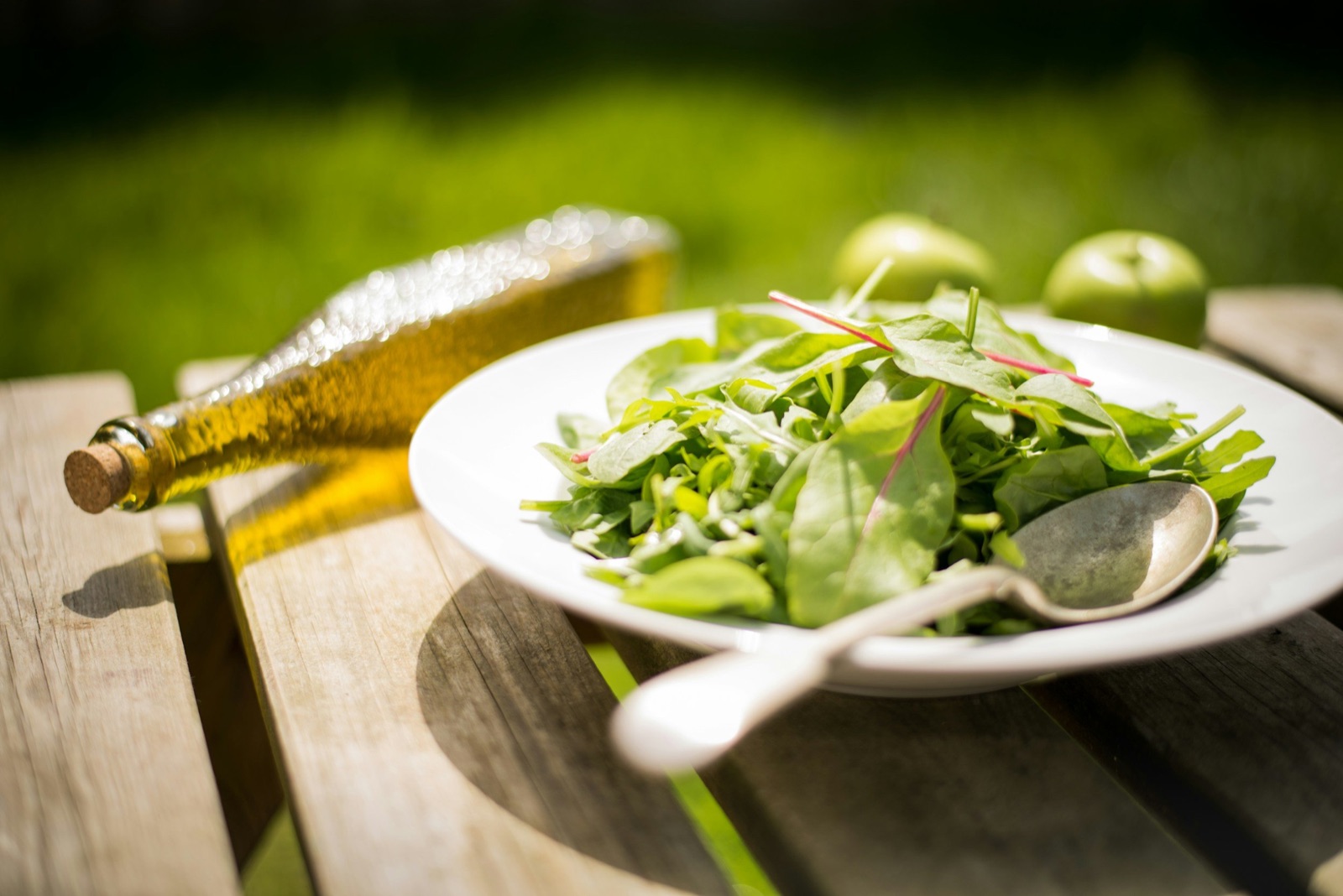
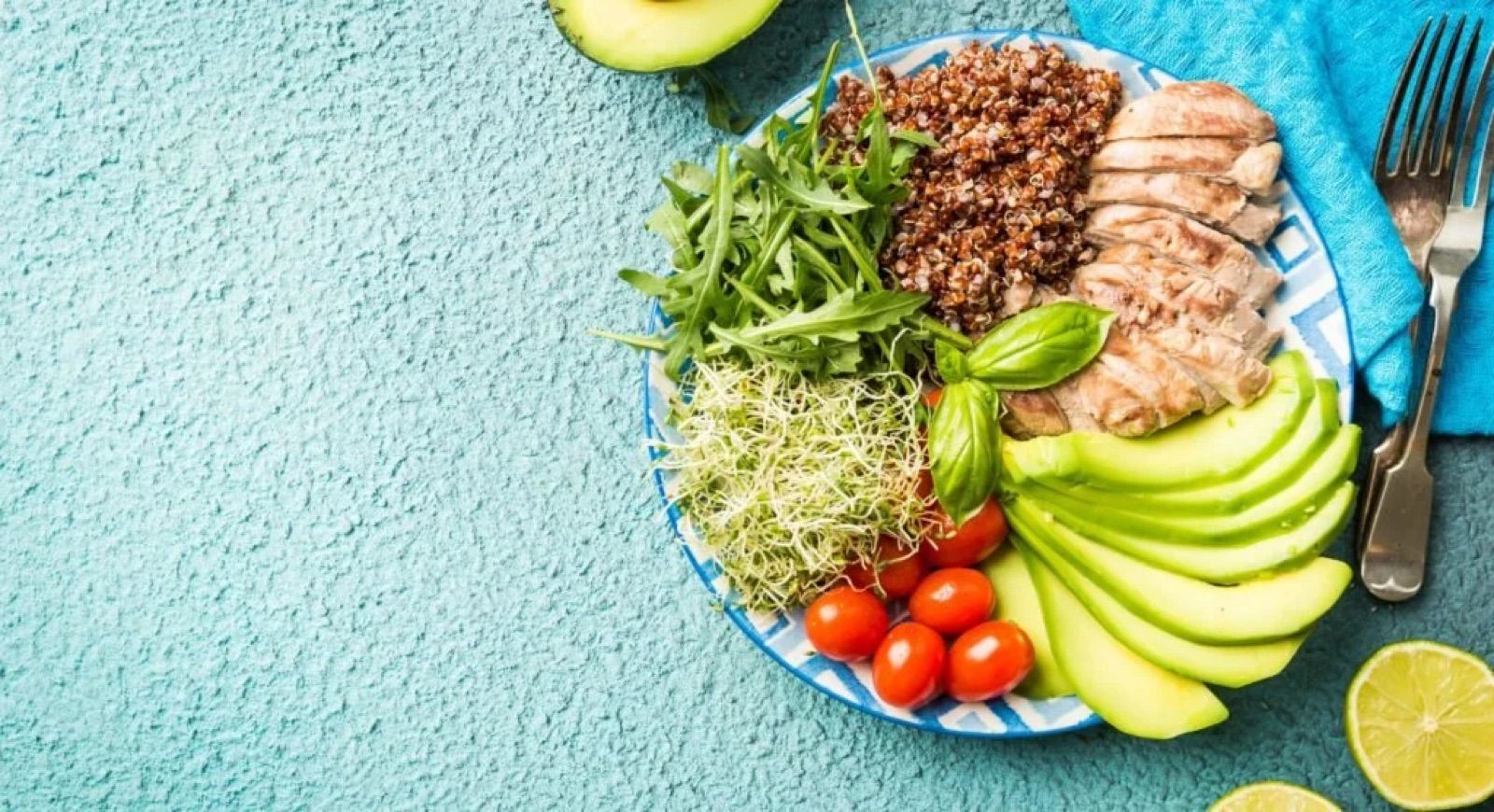
For a healthy diet rich in fiber, vitamins and minerals, choosing and preparing vegetables and salads plays a key role.
Here is a summary of some essential tips and information to help you get the most out of your vegetables and provide your body with important nutrients:
Freshness and preparation
Freshness is key: Freshly cut vegetables and salad retain their nutrients better. Avoid long storage times to minimize oxidation and nutrient loss.
Cooking methods: Vegetables should be prepared gently. Overcooking can destroy important vitamins. Steaming or blanching are the preferred methods for preserving most nutrients.
Vitamins and minerals
Variety of vitamins: Vegetables provide a wide range of vitamins, including vitamin A (good for vision and the immune system), various B vitamins (important for energy metabolism and the nervous system), vitamin C (promotes iron absorption and is important for the immune system) and vitamin K (important for blood clotting).
Minerals: In addition to vitamins, many vegetables contain minerals such as iron, calcium and magnesium, which contribute to various bodily functions.
Fiber
Important for digestion: Salads and vegetables are rich in fiber, which is essential for healthy digestion and promotes a long-lasting feeling of fullness.
Bitter compounds
Bitter compounds at a glance: Bitter compounds occur in many green vegetables such as arugula, radicchio or endive and are traditionally associated with digestion.
Nutrients and bitter compounds: These substances can enrich the taste experience of salads.
Bitter compounds play an important role in our diet, particularly in connection with digestion. Many types of vegetables and salad greens are rich in these valuable constituents. Here is a list of five such varieties and a closer look at how bitter compounds are described in nutritional science:

Vegetables and salad greens high in bitter compounds
Radicchio: This red chicory is known for its pronounced bitter taste. It is excellent in salads and is often combined with sweeter ingredients or dressings to balance its flavor.
Arugula (rocket): Arugula is a popular salad green with a distinctly nutty and bitter taste. It gives any salad an aromatic note and is also rich in vitamins C and K.
Endive: This type of salad green is known for its slightly bitter taste and contains important nutrients such as folic acid and vitamins A and K. Endive is particularly versatile and can be eaten both raw and cooked.
Dandelion: The young leaves of the dandelion are not only edible but also healthy. They contain bitter compounds as well as a variety of vitamins and minerals.
Grapefruit: Although technically not a vegetable or salad green, grapefruit is worth mentioning because of its bitter taste. It is rich in vitamin C and antioxidants.
Bitter compounds and the body
Digestion: Bitter compounds stimulate the secretion of digestive juices such as stomach acid, bile and pancreatic enzymes. This is part of the normal digestive process.
Appetite stimulation: Bitter compounds can stimulate the appetite, which can be particularly beneficial for people with little sense of hunger.
Liver: In naturopathy, bitter compounds are described in connection with liver function.
Blood sugar levels: Bitter compounds are being studied in some research in connection with blood sugar levels. Diabetes and prediabetes require medical treatment.
Microbiome: Bitter compounds are also described in connection with the gut microbiome.
Summary
Including vegetables and salad greens rich in bitter compounds in your daily diet enriches your menu. Bitter compounds are mainly described in connection with digestion and the liver. By integrating these foods into your meals, you can make your menu more varied.
Salad dressings with omega-3
Rich in omega-3: Dressings based on flaxseed oil, walnut oil or hemp oil not only add flavor but also provide important omega-3 fatty acids, which, as essential fatty acids, are part of a balanced diet.
Recipe ideas: A simple but nutrient-rich salad dressing can consist of a mixture of flaxseed oil, a squeeze of lemon juice, mustard, honey and fresh herbs. These ingredients make a nutrient-rich combination with good flavor.
Oils rich in omega-3 fatty acids are part of a balanced diet. The following oils are particularly suitable for salad dressings because of their high omega-3 content:
Flaxseed oil: One of the richest plant sources of omega-3. It has a distinctive flavor that goes well with many salads.
Walnut oil: Offers a good mix of omega-3 and other useful fats with a nutty aroma that gives salad dressings a special touch.
Chia seed oil: While not as common as the others, it is also a rich source of omega-3 and can be used for a nutrient-rich salad dressing.
Recipe 1: Flaxseed oil and lemon dressing
Ingredients:
3 tablespoons flaxseed oil
1 tablespoon freshly squeezed lemon juice
1 teaspoon Dijon mustard
1 teaspoon honey (or maple syrup for a vegan version)
Salt and freshly ground black pepper to taste
Optional: a pinch of garlic powder or a small, freshly pressed garlic clove
Preparation:
In a small bowl, whisk the flaxseed oil thoroughly with the lemon juice, Dijon mustard and honey.
Season with salt, pepper and, if desired, garlic.
Pour over the fresh salad and toss well so that all the leaves are coated with the dressing.
Recipe 2: Walnut oil and balsamic dressing
Ingredients:
3 tablespoons walnut oil
1 tablespoon balsamic vinegar
1 teaspoon finely chopped fresh rosemary (or ½ teaspoon dried)
1 teaspoon honey or maple syrup
Salt and freshly ground black pepper to taste
Preparation:
Whisk the walnut oil, balsamic vinegar, rosemary and honey together well in a small bowl.
Season with salt and pepper and whisk well again.
Drizzle over the salad and make sure the dressing is evenly distributed.
Both dressings are not only flavorful and rich in omega-3 fatty acids but also quick and easy to prepare. They can be combined with a wide variety of salads, from simple green salads to more complex vegetable or grain salads. Adjust the ingredient amounts as needed, depending on how much salad you want to dress.
Summary
A healthy diet rich in fresh vegetables and salads provides the body with essential vitamins, minerals and fiber. Proper preparation and adding nutrient-rich ingredients such as omega-3-rich oils to salad dressings complement your menu. Bitter compounds also enrich the flavor. Choosing fresh ingredients and gentle cooking methods helps maximize the nutritional value of your meals.

Wild herbs are often underestimated treasures of nature
Wild herbs are often underestimated treasures of nature that contain a wide variety of nutrients. They can be used as complementary ingredients in the kitchen to enrich the flavor of dishes. Here are five types of wild herbs that are particularly rich in nutrients, together with a description of how they are traditionally used:
Nutrient-rich wild herbs
Stinging nettle: Despite their off-putting name, stinging nettles are rich in vitamins A, C and K as well as minerals such as iron and magnesium. Stinging nettle has a long history of use in traditional herbal medicine.
Ground elder: Often regarded as a weed, ground elder is actually a nutrient-rich wild herb. It contains vitamin C, potassium, magnesium and iron. In traditional herbal medicine, ground elder is described in connection with the body’s fluid balance, among other things.
Dandelion: Dandelion leaves are rich in vitamins A, C and K as well as minerals such as iron, calcium and potassium. In naturopathy, dandelion is described in connection with the liver.
Chickweed: This delicate herb is an excellent source of vitamin C, iron and calcium. In traditional herbal medicine, chickweed is applied externally to the skin, among other uses.
Yarrow: Yarrow is a traditionally used medicinal plant. It is rich in flavonoids and is described in herbal medicine in connection with digestion.
Traditional use
Inflammatory processes: Many wild herbs, such as stinging nettle and ground elder, are described in naturopathy in connection with inflammatory processes.
Digestion: Wild herbs such as yarrow and dandelion are traditionally described in connection with digestion and the production of digestive juices.
Nutrient supply: Wild herbs are often rich in essential vitamins and minerals that contribute to the body’s general supply of nutrients.
Liver and kidneys: Certain wild herbs, such as dandelion, are described in naturopathy in connection with the liver and kidneys.
Skin: Wild herbs such as chickweed are applied externally to the skin in traditional herbal medicine.
Summary
Wild herbs are not only an enrichment for your menu but also contain a wide variety of nutrients. By integrating these nutrient-rich plants into your diet, you can discover new flavors. Wild herbs are easy to find in nature or can even be grown in your own garden, which makes them an accessible and valuable addition to any healthy diet.
Professionally responsible: Yesha Karmeli, naturopathic practitioner (Heilpraktiker), Natura Heilpraxis Berlin. This text provides general information and does not replace individual advice.