Natura
What is organic? What is non-organic?
The invisible power in food, organic and non-organic compared: with insights into genetically modified foods and crystallization images from the research of Soyana’s LifevisionLab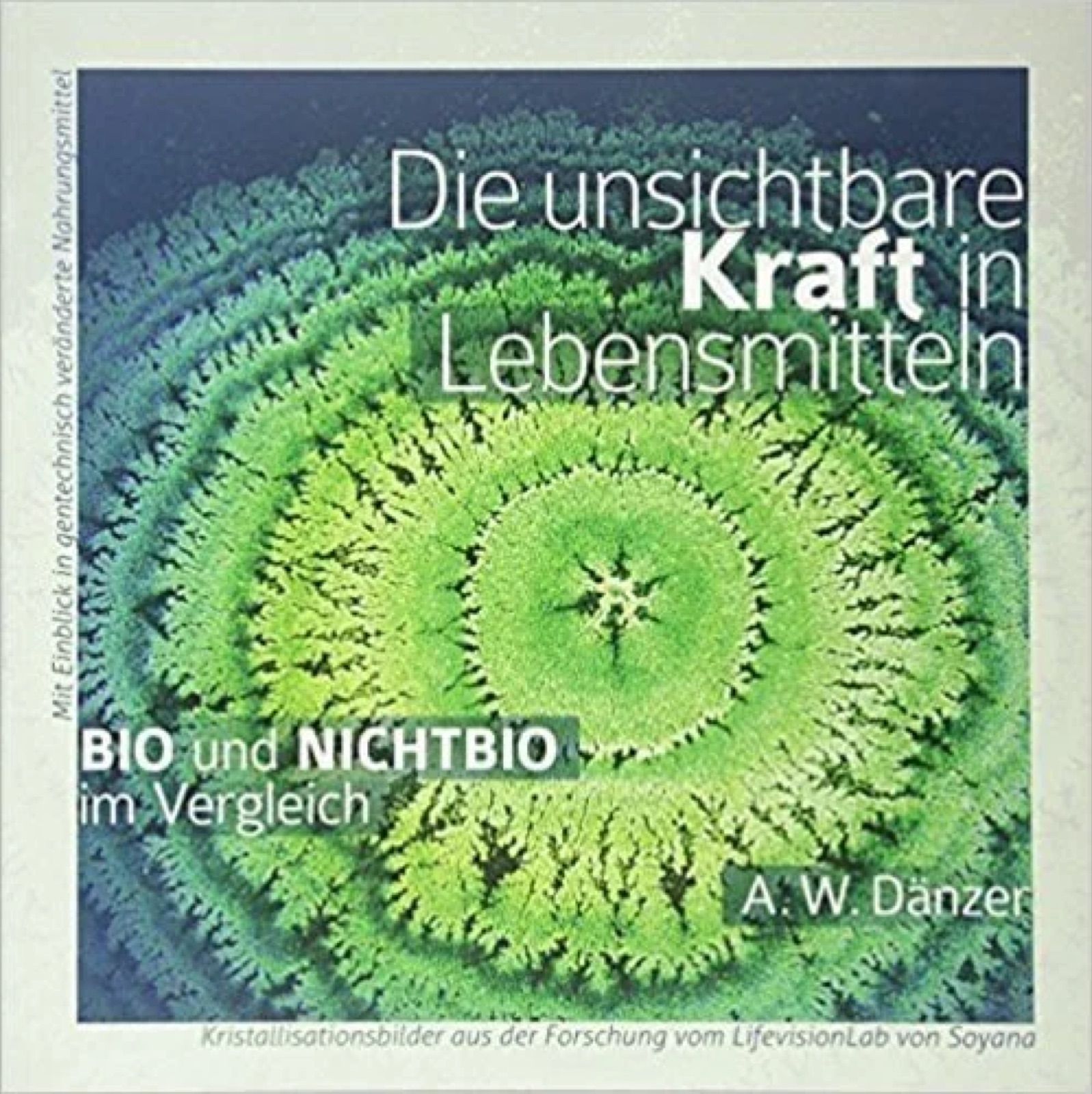 Recommended further reading: (to order: redirect to Amazon) Have you ever asked yourself what the difference is between organic and non-organic food? Is it really better, as many people claim, or is it all just humbug designed to get a lot of money out of your pocket? Organic food is food from controlled and certified organic farming, which means that the plants used come from holistic, life-friendly cultivation in which they thrive and can develop well accordingly. The main focus is on the natural support and strengthening of plants and animals. This is achieved through cooperation between people, animals and nature in order to ensure the best possible living conditions for living beings in their environment. In this way, not only does a close relationship develop between the partners involved in the cooperation, but also a natural and sustainable cycle that thoughtfully leads to a conscious and responsible use of natural resources such as soil, water and air. Organic farming makes sure that neither chemical-synthetic fertilizers nor pesticides such as insecticides, fungicides or herbicides are used. Likewise, animals from organic husbandry are not treated with performance enhancers, growth hormones or preventive antibiotics. Through the absence and deliberate avoidance of the many substances mentioned, organic farming naturally stabilizes the soil, enables a rich flora and fauna and thus provides a significantly uncontaminated basis for a strong ecosystem. A naturally living soil and the resulting sustainable way of producing food contribute to end products of exceptionally high food quality, which are rich in phytochemicals, vitamins, minerals, amino acids etc. Non-organic food, on the other hand, has its origin in conventional (“controlled”) agriculture. Compared to organic farming, the focus here is on the highest possible yield. The burden on the environment, possible health risks or species-appropriate animal husbandry are hardly or only to a small extent taken into account. The use of synthetic and fossil fertilizers, such as manure and slurry, not only causes heavy contamination of drinking water through nitrate leaching into the groundwater but, through the use of various chemical pesticides, also contributes to the contamination of many field crops with antibiotic-resistant germs, which in the long run lead to disturbed soil life. In addition, frequent driving over the fields can lead to consequential damage such as infertile land with little humus content and erosion. The book “Die unsichtbare Kraft in Lebensmitteln – BIO und NICHTBIO im Vergleich” (The Invisible Power in Food – Organic and Non-Organic Compared) by the Swiss author A. W. Dänzer offers an extensive collection of various crystallization images from the research of Soyana’s LifevisionLab and thus an insight into the genetic differences between organic and non-organic food. In this way, it informs consumers about the hidden power in food and encourages you to use your freedom of choice when shopping.
Professionally responsible: Yesha Karmeli, naturopathic practitioner (Heilpraktiker), Natura Heilpraxis Berlin. This text provides general information and does not replace individual advice.