Natura
A vegetarian diet is a way of eating that is gaining more and more followers for ethical, economic and ecological reasons. However, there are many variants of this way of eating. Two main variants can be distinguished: lacto-ovo vegetarians (a diet based on plants, milk and eggs) and vegans (a diet based on plants only) [1] [2].
Is a vegetarian diet advisable?
Nutritional science confirms that a properly planned vegetarian diet is healthy and nutritionally adequate. Vegetarians can obtain all the vital nutrients necessary for the smooth functioning of the organism. These include proteins, carbohydrates, fats, vitamins, minerals, fiber, etc. [3]
A vegetarian diet has many advantages, but you should learn how to apply it correctly in everyday life. Vegetarians, and vegans in particular, should inform themselves about macro- and micronutrients and methods of preparation.
At our naturopathic practice, you can make use of nutritional counseling to learn how to meet your nutrient needs through a vegetarian diet, taking into account your individual physiognomy and lifestyle.

What are the advantages of a vegetarian diet?
Scientific studies have shown various advantages of a vegetarian diet:
A varied plant-based diet generally leads to a high intake of vitamins C and E, beta-carotene, folate, biotin, pantothenic acid and vitamin B1 [4]. Minerals such as potassium and magnesium are also contained in comparatively high amounts [1] [5].
Vegetarians are less frequently affected by overweight or obesity [6].
Vegetarians have a 1.6- to 2-fold lower risk of developing type 2 diabetes [7].
Compared with people on a mixed diet, vegetarians also have a lower fasting glucose concentration and a lower insulin resistance index [8].
The risk of heart disease is reduced by about 30 % [1].
Vegetarians have lower blood pressure values and lower cholesterol levels [9].
So far it has been shown that biomarkers of inflammation, such as C-reactive protein, are lower in vegetarians [10] [11].
A calorie-conscious ovo-lacto vegetarian diet with an adequate intake of micronutrients reduces the formation of free radicals and oxidative damage to mitochondrial DNA, i. e. it slows down aging [12].
Are there disadvantages to a vegetarian diet?
As with all diets: yes, there are some here as well. Nowadays, vegetarians can easily become so-called "pudding vegetarians", i. e. vegetarians who do eat a vegetarian diet but do not choose and/or prepare their food properly. These people tend to eat mainly industrially processed plant products that contain a lot of calories or sugar and therefore lack important vitamins, minerals and fiber [3].
Some points that are addressed in professional nutritional counseling:
Vegetarians usually have a higher proportion of carbohydrates in their diet. The intake of proteins and healthy fats, mainly omega-3 fatty acids, should therefore be optimized [3] [13].
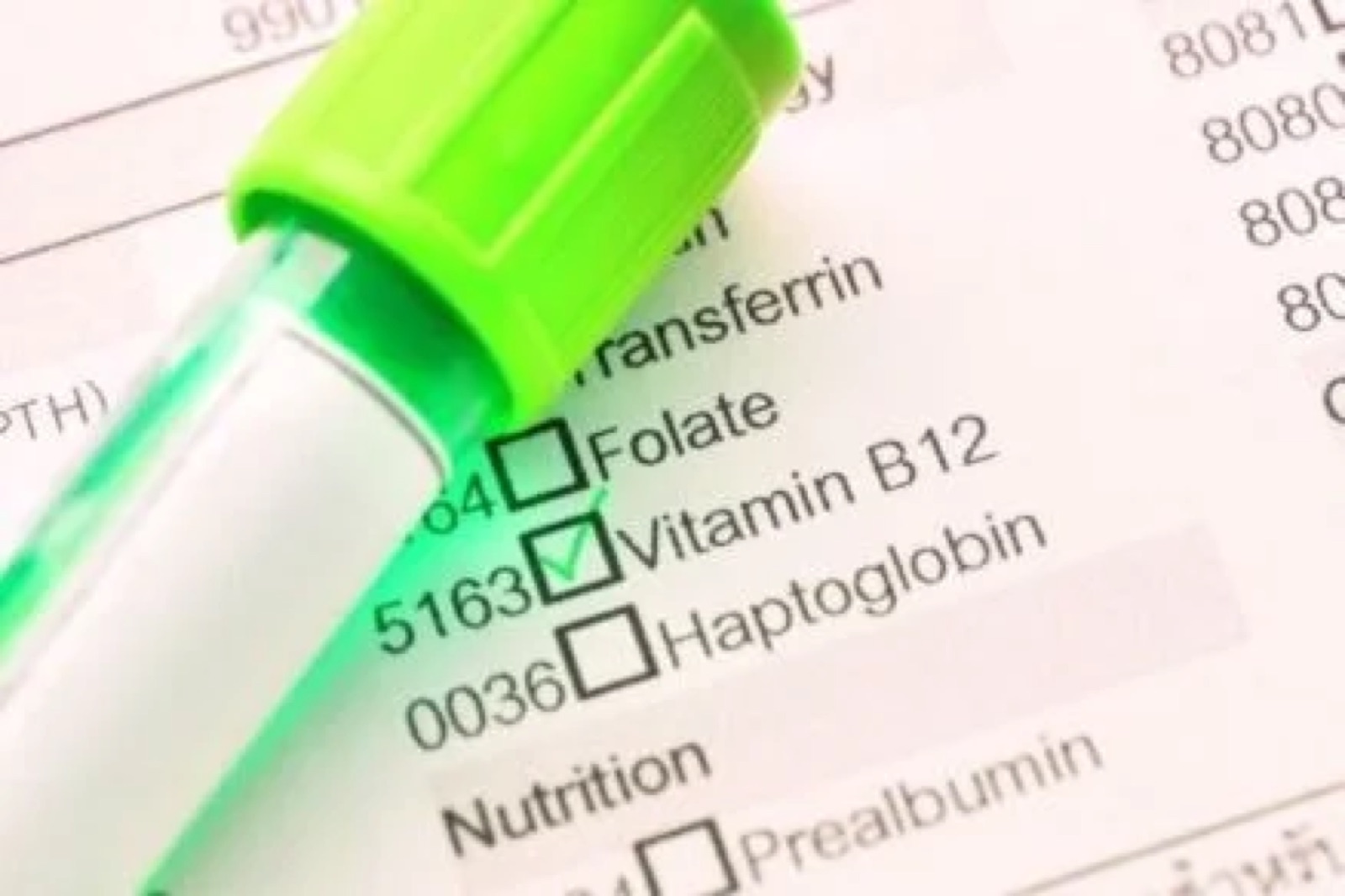
88 % of lacto-ovo vegetarians and 91 % of vegans show symptoms of vitamin B12 deficiency [1]. Appropriate daily supplementation is recommended.
Iodine intake in vegetarians is often far below the recommended amounts [1].
Vegan women in menopause in particular should have their blood iron levels checked regularly to avoid deficiency symptoms [1]. In addition, suitable nutritional counseling is necessary for pregnant and breastfeeding mothers [14].
Vegetarians, and vegans in particular, should expose themselves to the sun regularly to optimize their vitamin D supply. In the winter months, supplementation can make sense [1].
Supplementing vital nutrients through infusion therapy
A plant-based diet has health advantages, but it is important to monitor nutrient intake and keep it at the right level. This reduces the risk of diseases that can be caused by nutrient deficiencies.
One way to supply vitamins and minerals is vital infusions. In infusion therapy, which is always carried out after a holistic diagnosis of the patient's nutritional deficits or vitamin deficiency, high doses of vitamins, minerals or other vital nutrients are injected directly into the bloodstream as needed in order to compensate for the deficiencies identified.
Book a nutritional counseling appointment.
—————————————————————————
Sources
[1] Ströhle, A., Löser, C., Behrendt, I., Leitzmann, C., & Hahn, A. (2018). Alternative Ernährungsformen: Allgemeine Aspekte und vegetarische Kostformen. Die Rehabilitation, 57(01), 55–70. https://doi:10.1055/s-0043-124048
[2] Leitzmann, C. (2003) Nutrition ecology: the contribution of vegetarian diets. Am J Clin Nutr 78(3), 657–659.https://doi.org/10.1093/ajcn/78.3.657S
[3] Leitzmann C. (2018) Vegetarische und vegane Ernährung. In: Stange R., Leitzmann C. (eds.) Ernährung und Fasten als Therapie. Springer, Berlin, Heidelberg.https://doi.org/10.1007/978-3-662-54475-4_10
[4] Rizzo, N. S., Jaceldo-Siegl, K., Sabate, J., & Fraser, G. E. (2013). Nutrient profiles of vegetarian and nonvegetarian dietary patterns. Journal of the Academy of Nutrition and Dietetics, 113(12), 1610–1619.https://doi.org/10.1016/j.jand.2013.06.349
[5] Key, T. J., Appleby, P. N., & Rosell, M. S. (2006). Health effects of vegetarian and vegan diets. The Proceedings of the Nutrition Society, 65(1), 35–41.https://doi.org/10.1079/pns2005481
[6] Barnard, N. D., Levin, S. M., & Yokoyama, Y. (2015). A systematic review and meta-analysis of changes in body weight in clinical trials of vegetarian diets. Journal of the Academy of Nutrition and Dietetics, 115(6), 954–969.https://doi.org/10.1016/j.jand.2014.11.016
[7] Kahleova, H., & Pelikanova, T. (2015). Vegetarian Diets in the Prevention and Treatment of Type 2 Diabetes. Journal of the American College of Nutrition, 34(5), 448–458.https://doi.org/10.1080/07315724.2014.976890
[8] Li D. (2014). Effect of the vegetarian diet on non-communicable diseases. Journal of the science of food and agriculture, 94(2), 169–173.https://doi.org/10.1002/jsfa.6362
[9] Yokoyama, Y., Nishimura, K., Barnard, N. D., Takegami, M., Watanabe, M., Sekikawa, A., Okamura, T., & Miyamoto, Y. (2014). Vegetarian diets and blood pressure: a meta-analysis. JAMA internal medicine, 174(4), 577–587.https://doi.org/10.1001/jamainternmed.2013.14547
[10] Craddock, J. C., Neale, E. P., Peoples, G. E., & Probst, Y. C. (2019). Vegetarian-Based Dietary Patterns and their Relation with Inflammatory and Immune Biomarkers: A Systematic Review and Meta-Analysis. Advances in nutrition (Bethesda, Md.), 10(3), 433–451.https://doi.org/10.1093/advances/nmy103
[11] Franco-de-Moraes, A.C., de Almeida-Pititto, B., da Rocha Fernandes, G. et al. (2017). Worse inflammatory profile in omnivores than in vegetarians associates with the gut microbiota composition. Diabetol Metab Syndr 9, 62.https://doi.org/10.1186/s13098-017-0261-x
[12] Kullich W. (2009) Einfluss der Ernährung auf Alterungsprozesse, oxidative Schäden und Anti-Aging-Empfehlungen. In: Likar R., Bernatzky G., Märkert D., Ilias W. (eds) Schmerztherapie in der Pflege. Springer, Vienna.https://doi.org/10.1007/978-3-211-72328-9_17
[13] Saunders, A. V., Davis, B. C., & Garg, M. L. (2013). Omega-3 polyunsaturated fatty acids and vegetarian diets. The Medical journal of Australia, 199(S4), S22–S26.https://doi.org/10.5694/mja11.11507
[14] Leitzmann, C. & Keller, M. (2013). Vegetarische Ernährung (3rd ed.). Verlag Eugen Ulmer: Stuttgart.
Professionally responsible: Yesha Karmeli, naturopathic practitioner (Heilpraktiker), Natura Heilpraxis Berlin. This text provides general information and does not replace individual advice.