
 Natura
On this page you will find an overview of the ingredients used in our infusion therapies. The individual substances are presented here in a factual and informative way, based on their general occurrence, their biochemical classification and their description in the specialist literature. The information is provided for transparency and orientation and does not replace medical advice, diagnosis or therapy; no statements are made regarding cure, effect or prevention.
What does thiamine do in the body?
• Required for carbohydrate metabolism and energy metabolism
• Involved in the energy metabolism of nerve cells
• Supports excitation and signal conduction in the nervous system
• Coenzyme in the metabolism of neurotransmitters
• Required for blood formation
How can thiamine deficiency show up?
Thiamine deficiency causes, among other things, the clinical picture of beriberi, which has various forms with predominantly neurological or cardiological symptoms. It is also referred to as Wernicke encephalopathy, Korsakoff syndrome or, in combination, Wernicke-Korsakoff syndrome.
The symptoms of beriberi are due to severe disturbances in the body's utilization of energy. They include muscle weakness, heart failure, neuropathies and states of confusion. Early symptoms are often non-specific and varied.
• Sleep disorders
• Weight loss
• Loss of appetite
• Nausea
• Cardiovascular failure
• Muscle weakness and paralysis
• Muscle pain
• Calf cramps
• Psychological changes such as anxiety, depression, irritability
What contributes to thiamine deficiency?
Thiamine deficiency still occurs far too often in developing countries and is considered rare in industrialized countries. In developed countries, however, the following groups, among others, are affected or at risk:
• Diabetics: In diabetics, a plasma thiamine concentration 75 percent lower than in healthy individuals has been found. The use of high-dose thiamine, or its precursor benfotiamine, is discussed in the specialist literature in connection with diabetic retinopathy, neuropathy and nephropathy.
• Seniors
• Patients with Crohn's disease
• Alcoholics with an unbalanced diet
• Patients undergoing alcohol withdrawal
In addition, a (presumably large) number of unreported cases can be expected among people whose diet consists largely of products made (almost) exclusively from white flour and a lot of sugar.
What is the daily requirement?
1–1.2 mg/day
Where is this vitamin found?
Good sources of thiamine are:
• Lentils
• Peas
• Beans
• Kale
• (Whole-grain) cereals
• Pork
• Yeast
What does riboflavin do in the body?
• Central role in mitochondrial energy metabolism
• Regeneration of oxidized glutathione
• Involved in the metabolism of foreign substances (xenobiotics)
• Support of phagocytosis
• Support of homocysteine detoxification
• Essential for the formation of red blood cells
How can riboflavin deficiency show up?
An isolated vitamin B2 deficiency is rare; it is usually combined with other deficiencies. An insufficient supply of vitamin B2 manifests mainly as:
• Changes to the skin and mucous membranes, such as cracks at the corners of the mouth, inflammation of the oral mucosa and tongue
• Eye complaints (e.g. conjunctivitis, changes to the cornea and clouding of the lens)
What contributes to riboflavin deficiency?
An insufficient supply rarely occurs with a balanced diet. Riboflavin can be stored in the body for up to six weeks. A riboflavin deficiency is usually accompanied by other nutrient deficits. Possible causes include:
• Chronic inflammatory bowel disease (ulcerative colitis, Crohn's disease)
• One-sided diets, vegans
• Chemotherapy
• Alcohol dependence
• Severe infections
• Stress
What is the daily requirement?
1.2–1.4 mg/day
Where is this vitamin found?
Good sources of riboflavin are:
• Milk
• (Whole-grain) cereals
• Vegetables (potatoes, broccoli, mushrooms)
• Meat
• Fish
• Eggs
What does nicotinamide do in the body?
• Essential for the functions of more than 200 enzymes
• Building block of the coenzymes NAD and NADP
• Involved in the breakdown of carbohydrates, fats, proteins and alcohol
• Required for building and repairing genetic material
• Regeneration of oxidized glutathione
• Involved in lipid and cholesterol metabolism; described in the specialist literature in connection with HDL and LP(a)
• Described in the specialist literature in connection with LDL and triglycerides
How can nicotinamide deficiency show up?
A vitamin B3 deficiency is rare, but manifests as follows:
• Headaches
• Fatigue
• Dizziness
• Nausea and vomiting
• Nervousness, irritability
• Digestive disorders
• Dry mouth and burning in the mouth
What contributes to nicotinamide deficiency?
The following causes may be considered for a vitamin B3 deficiency:
• Increased requirement (pregnancy, breastfeeding, during growth)
• Reduced absorption (in metabolic and intestinal diseases and due to medications such as psychotropic drugs, antiepileptics or immunosuppressants)
• Diet-related deficiency (lack of the protein building block tryptophan, other B vitamins, or a one-sided diet)
What is the daily requirement?
13–17 mg/day
Where is this vitamin found?
Foods particularly rich in niacin:
• Fish (e.g. anchovies, tuna, salmon, mackerel)
• Meat (lean beef, veal and pork, poultry) and offal
• Mung beans
• Peanuts
• Mushrooms
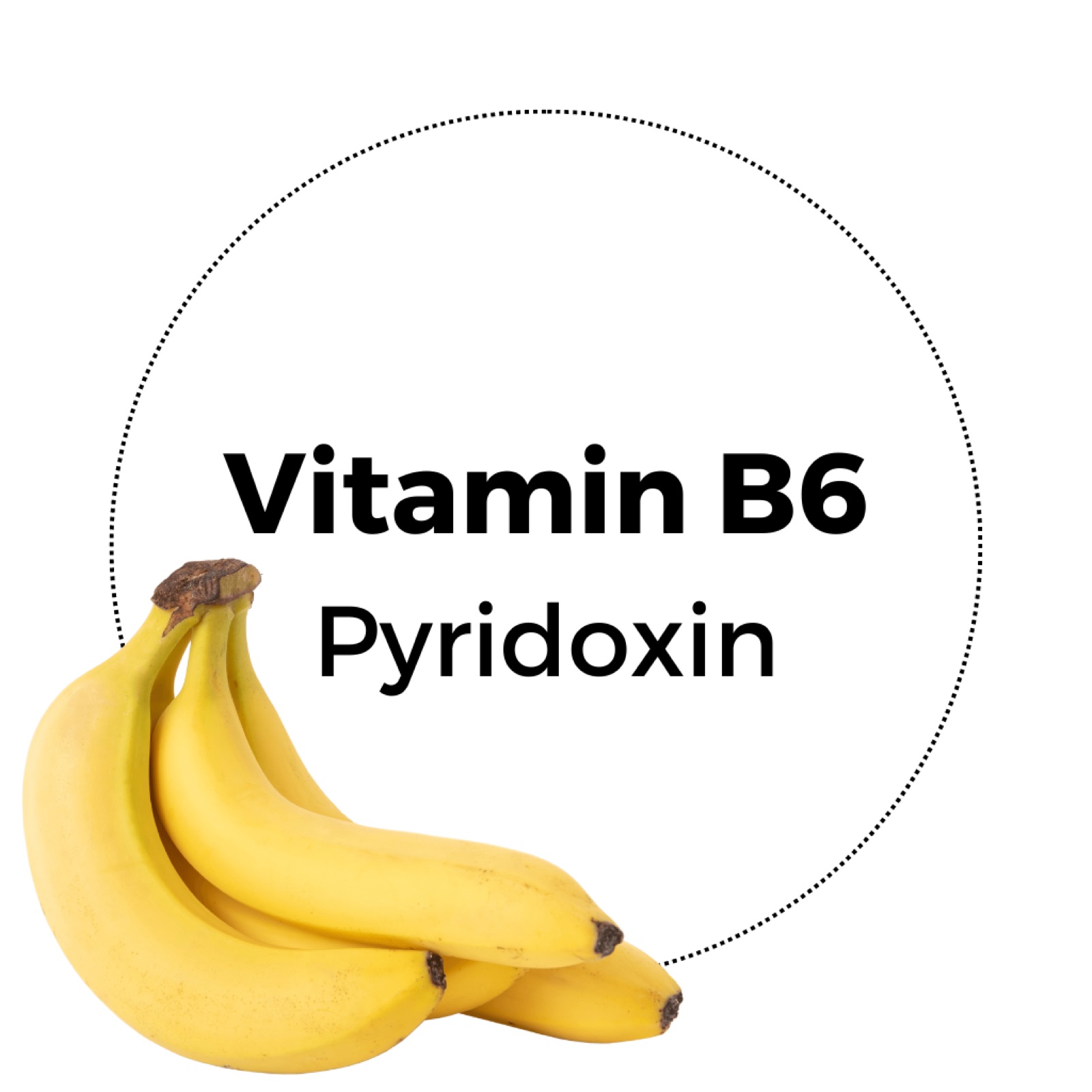
What does pyridoxine do in the body?
• Required for building and converting proteins and amino acids
• Required for the synthesis of neurotransmitters such as serotonin and dopamine
• Involved in the normal function of the immune system
• Important for blood formation, iron utilization and oxygen transport
• Essential for the detoxification of homocysteine
• Promotes cross-linking of connective tissue
• Influence on steroid hormone metabolism
How can pyridoxine deficiency show up?
Vitamin B6 plays a major role in various processes in the body, for example in the metabolism of food, in the formation of nerve fibers and in the formation of hemoglobin. Accordingly, the symptoms of a vitamin B6 deficiency can also be varied.
A mild deficiency may cause:
• Acne
• Sensitivity to light
• Gastrointestinal problems (diarrhea, vomiting)
• Angular cheilitis (cracks at the corners of the mouth)
• Fatigue
• Susceptibility to infections
• Growth disorders
• Increased menstrual complaints in women
With a persistent vitamin B6 deficiency, the following symptoms are possible:
• Functional disorders of the liver and nervous system
• Anemia
• Numbness in the limbs
• Confusion
• Scaly skin rashes (on the face and scalp)
• Cramps and tremors (in infants)
• Impaired utilization of minerals such as iron, calcium or magnesium
What contributes to pyridoxine deficiency?
Vitamin B6 deficiency is very rare in Germany with a balanced diet. However, some factors increase the requirement for vitamin B6, such as taking estrogen preparations (e.g. the contraceptive pill) or certain other medications (such as antidepressants, antispasmodics), a very one-sided diet, severe underweight, and alcoholism or the nutrient-poor diet often associated with it.
What is the daily requirement?
1.4–1.6 mg/day
Where is this vitamin found?
Vitamin B6 is found in almost all foods. Particularly good sources are:
• Meat (especially chicken and pork)
• Fish
• Whole-grain products
• Various vegetables (e.g. cabbage, green beans, lentils, lettuce)
• Bananas
• Potatoes
• Wheat germ and soybeans
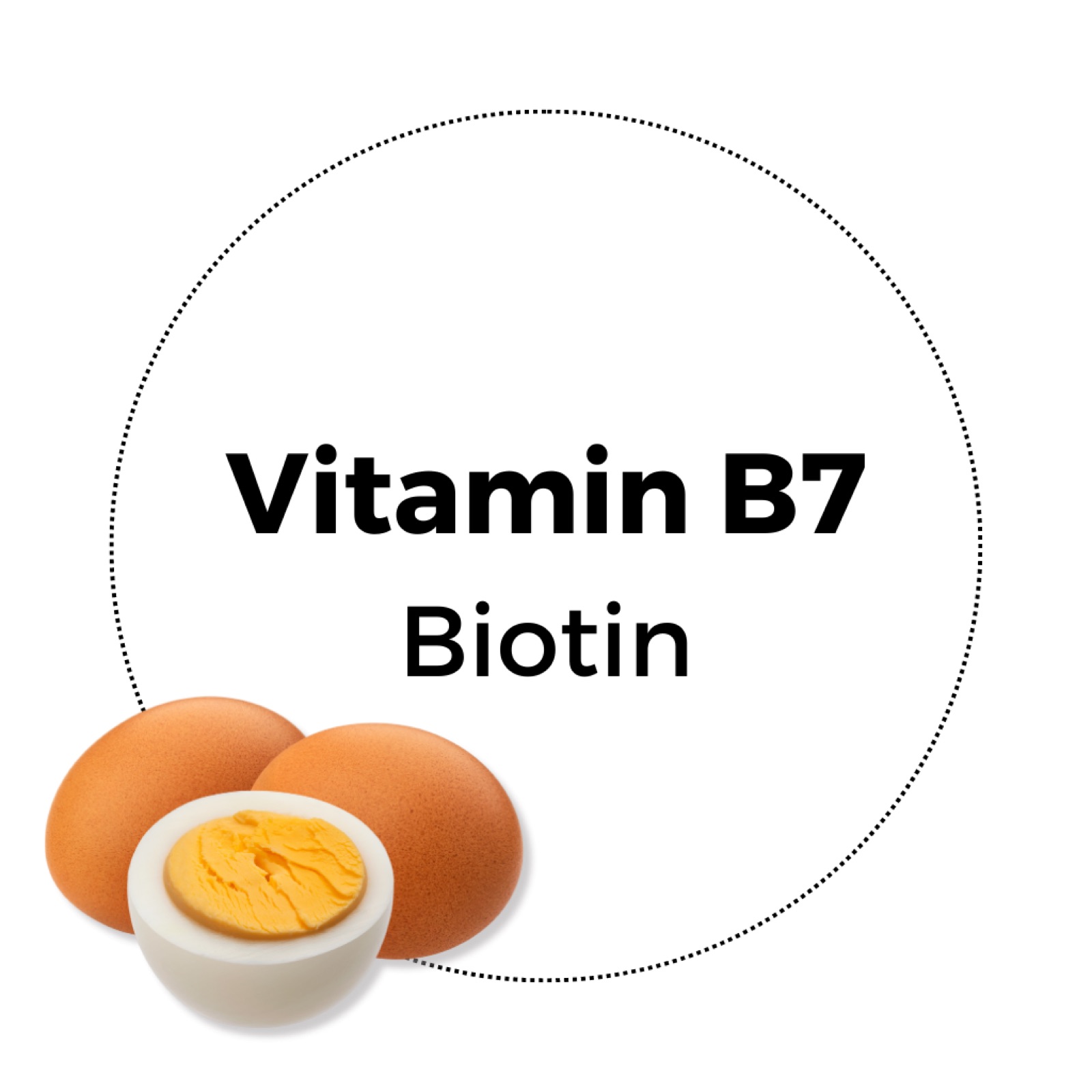
What does biotin do in the body?
• Component of enzymes and therefore involved in various metabolic processes
• Energy production in the cells
• Involved in cell growth
• DNA and protein synthesis
• Formation of important fatty acids
• Involved in the metabolism of hair and nails
How can biotin deficiency show up?
Signs and symptoms of biotin deficiency typically develop gradually:
• Thinning hair with progressive loss of all body hair
• Scaly, red rash around body openings (eyes, mouth, nose, perineum)
• Conjunctivitis
• Brittle nails
• Skin infections
• In advanced stages also seizures, depression, hallucinations, paresthesias and developmental delay in infants
What contributes to biotin deficiency?
Biotin is usually absorbed from food without any problems. However, a one-sided or unhealthy diet can cause a deficiency.
In addition, a genetic defect, disease-related absorption disorders or taking certain medications can lead to a deficiency.
Serious digestive disorders such as Crohn's disease or celiac disease (gluten intolerance) can also be causes. Heavy alcohol consumption or smoking are further reasons for an insufficient supply.
Pregnant women and young children are also frequently affected by biotin deficiency.
What is the daily requirement?
35 µg/day
Where is this vitamin found?
Good sources of biotin are:
• Liver, soybeans
• Boiled eggs
• Rolled oats
• Spinach
• Button mushrooms
• Lentils
• Nuts
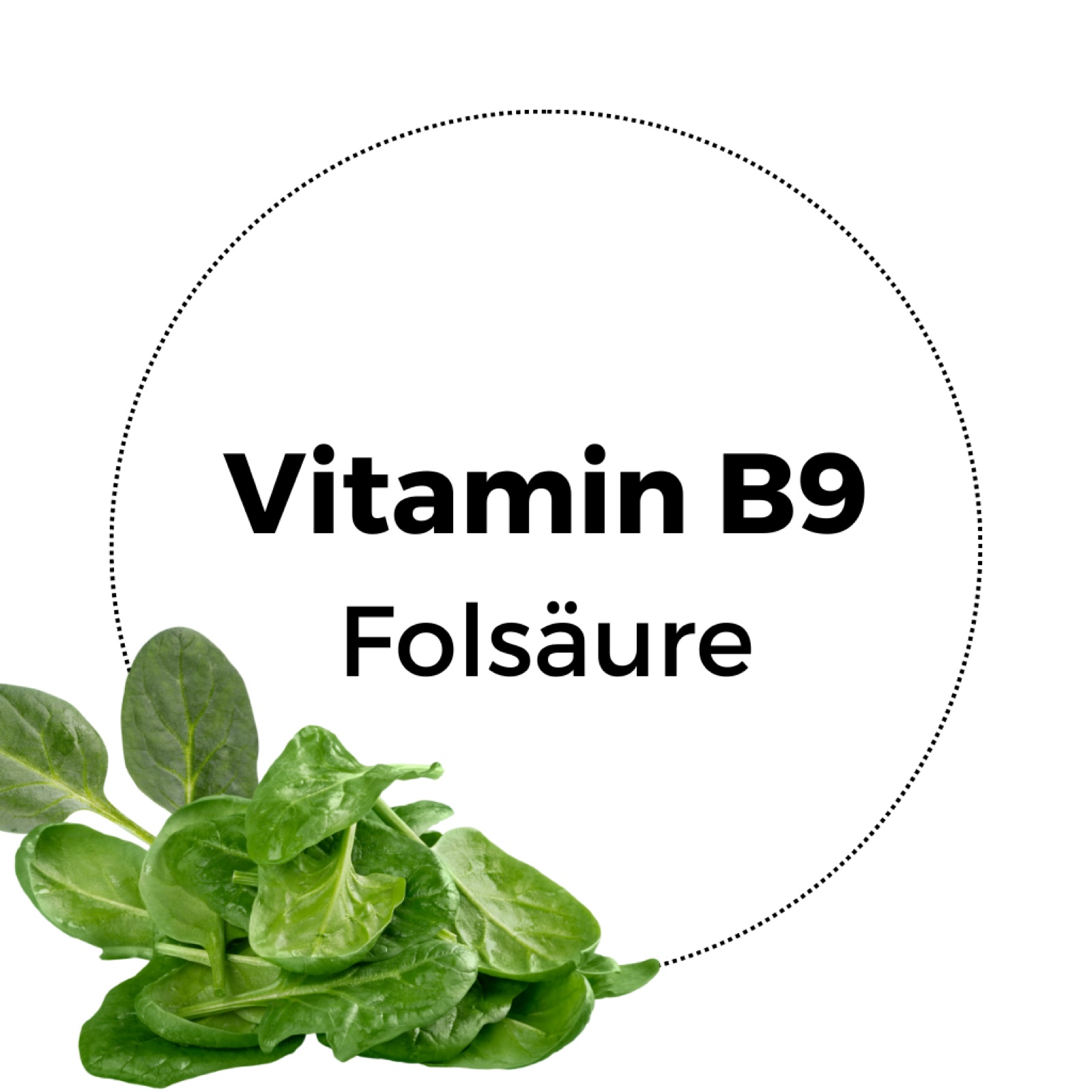
What does folic acid do in the body?
• Blood cell formation in the bone marrow
• Cell renewal, cell division, cell growth
• Essential for the biosynthesis of purines and pyrimidines
• Methylation of deoxyuridine monophosphate
• Detoxification of homocysteine
• Involvement in histamine metabolism
• Importance for the development of the fetus
How can folic acid deficiency show up?
Folic acid deficiency leads to anemia, which develops gradually and can be more severe than the symptoms suggest.
General symptoms of anemia: fatigue, pallor, irritability, shortness of breath and dizziness
The following may also occur:
• Red, sore tongue with a reduced sense of taste
• Diarrhea, weight loss
• Depression
In pregnant women, folic acid deficiency creates the risk that the child will suffer a birth defect of the spinal cord or brain (neural tube defect).
What contributes to folic acid deficiency?
Causes of folic acid deficiency can include:
• Alcohol abuse
• Chronic liver diseases
• Severe digestive disorders
• One-sided diet
• Pregnancy (due to increased requirement)
• Taking certain medications (including the contraceptive pill as well as cancer and rheumatism drugs)
What is the daily requirement?
400 µg/day
Where is this vitamin found?
Good sources of folic acid are:
• Green vegetables, especially leafy vegetables such as spinach and salad greens
• Tomatoes
• Legumes
• Nuts
• Oranges
• Sprouts
• Wheat germ and whole-grain products
• Potatoes
• Liver
• Eggs
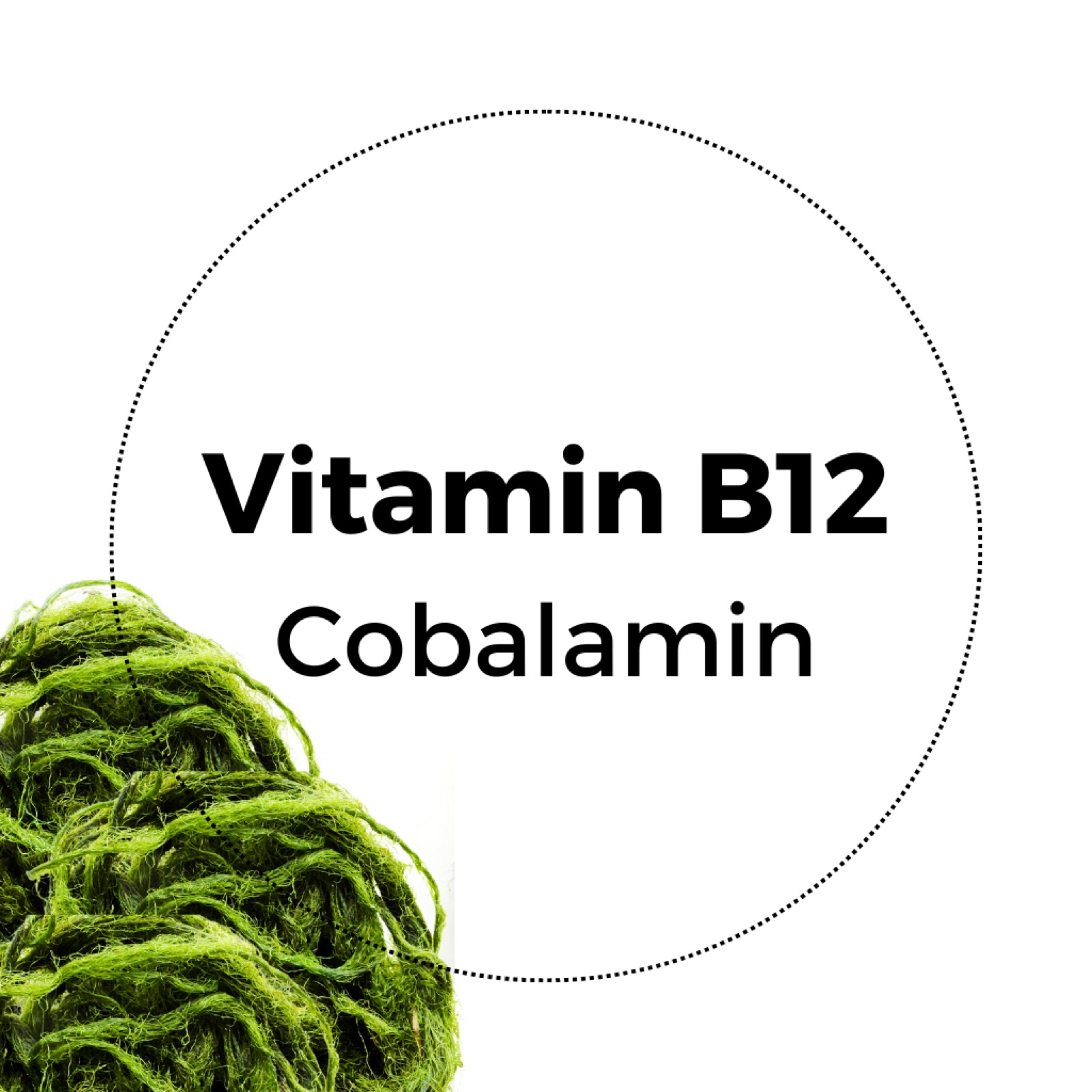
What does cobalamin do in the body?
• Responsible for energy production and cellular detoxification within the mitochondria
• Is required for the formation of red blood cells in the bone marrow
• Supports protein synthesis as well as the synthesis of DNA and RNA
• Is essential for building the myelin sheaths of the nerves
• Provides the metabolically active form of folic acid, tetrahydrofolic acid, and contributes to the detoxification of homocysteine
• Supports the breakdown of fatty acids
How can cobalamin deficiency show up?
A mild vitamin B12 deficiency usually causes no complaints. If the deficiency is severe, the following symptoms may occur:
• Burning tongue
• Unsteadiness when walking
• Light-headedness
• Paralysis
• Tingling in the hands and feet
• Memory problems
• Depressed mood
What contributes to cobalamin deficiency?
The causes of a vitamin B12 deficiency are varied. The most common include:
• Lack of the protein intrinsic factor.
• Chronic inflammation of the stomach or intestine.
• Taking medications for diabetes or excess stomach acid.
• Regular alcohol consumption.
In principle, the vitamin B12 stores of healthy people last for several years, so a deficiency may only become manifest after two to five years.
An increased requirement for vitamin B12 exists, for example, during pregnancy and breastfeeding, in older people, and with a vegetarian and especially a vegan diet. These people are at risk of developing a vitamin B12 deficiency and should have their status checked regularly.
What is the daily requirement?
4 µg/day
Where is this vitamin found?
Good sources of vitamin B12 are animal products such as:
• Meat, fish, seafood
• Eggs and dairy products
Foods of plant origin can contain traces of vitamin B12 after bacterial fermentation. These include, for example:
• Sauerkraut
• Beer
B12 is also found in seaweeds such as nori and in shiitake mushrooms.
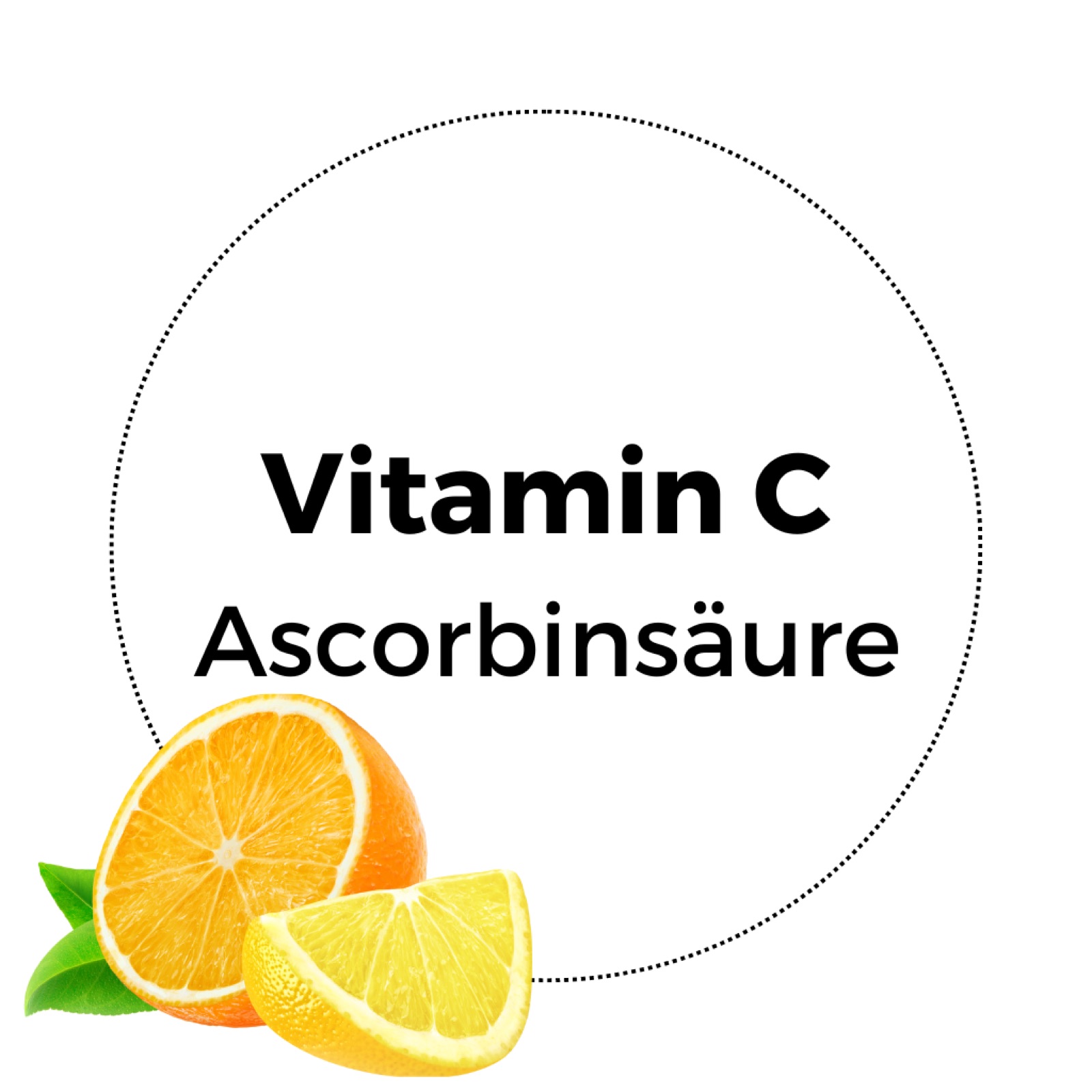
What does ascorbic acid do in the body?
• Free radical scavenger/antioxidant: contributes to the protection of cells from oxidative stress; involved in processes of protein glycation
• Immune system: involved in the normal function of the immune system, including cellular and humoral defense mechanisms
• Neurotransmitters and hormones: supports numerous enzymes in their function in the synthesis of various hormones and neurotransmitters
• Regeneration, support: regenerates oxidatively used vitamin E, synergistic effect with other antioxidants, central building block of the redox chain, improves the absorption of iron from food
• Blood vessels: described in the specialist literature in connection with oxidative processes and NO availability
• Histamine metabolism: cofactor of diamine oxidase in histamine breakdown
How can ascorbic acid deficiency show up?
A severe vitamin C deficiency results in the "sailors' disease" scurvy. The name comes from the fact that in the past it was mainly seafarers who fell ill with it: on sea voyages lasting weeks, there was hardly any opportunity to eat fresh fruit and vegetables – the result was a serious vitamin C deficiency.
Scurvy initially manifests in relatively non-specific symptoms such as:
• Fatigue
• Weakness
• Muscle pain
• Weakened immunity.
Typical symptoms of advanced vitamin C deficiency are:
• Bleeding
• Inflamed and bleeding gums (often leading to loose teeth and tooth loss)
• Delayed wound healing
• Fluid retention in the tissue (edema)
• Joint pain
• Reduced ability to form collagen
What contributes to ascorbic acid deficiency?
Vitamin C deficiency is very rare in industrialized countries.
With malnutrition or an unbalanced diet (e.g. no fresh fruit and vegetables), a deficiency can develop.
An increased requirement exists for:
• Smokers
• Pregnancy and breastfeeding
• Taking certain medications (contraceptive pill, preparations containing acetylsalicylic acid (ASA) and sulfonamides (used as antibiotics or diabetes medications)
Diabetics and older people are also among those who should pay particular attention to an adequate vitamin C intake in order not to risk a deficiency.
What is the daily requirement?
95–110 mg/day
Where is this vitamin found?
Vitamin C is found mainly in fruit and vegetables. Rich sources include:
• Apples, bananas, strawberries, kiwi, blackcurrants
• Citrus fruits such as oranges, mandarins, lemons and grapefruits
• Rose hips, sea buckthorn
• Broccoli, bell peppers, Brussels sprouts, spinach, tomatoes
• Potatoes
Our focus areas & experience:
-

Coaching & Guidance
Guidance of more than 3,000 clients in the areas of self-reflection, conflict resolution, mindfulness and conscious living.
-
Colon Hydrotherapy and Intestinal Support
More than 6,000 colon hydrotherapy sessions performed, as well as accompanying, naturopathically oriented intestinal assessments and findings within the scope of naturopathic practice.
-
Fasting Support
More than 350 supervised fasting periods as well as freshly prepared juices as part of individually tailored support concepts in Berlin.
-
Infusions & Nutrient Support
More than 8,000 infusion sessions performed and individually tailored support services as part of a holistic approach.
-
Accompanying Laboratory Analyses
Experience with more than 5,000 evaluated blood, stool, saliva and urine analyses for naturopathically oriented assessment and monitoring of progress.
Professionally responsible: Yesha Karmeli, naturopathic practitioner (Heilpraktiker), Natura Heilpraxis Berlin. This text provides general information and does not replace individual advice.