
 Natura
This page gives you a structured overview of the ingredients used in our nutrient infusions. The nutrients listed are presented factually and transparently, based on their general classification in metabolism, their role in energy balance and the way they are described in the scientific literature. The information is intended for orientation and context within a holistic approach and does not replace medical diagnosis or treatment.
Groups of substances included:
Amino acids
Minerals
All information is provided without any promise of cure, effect or success and is intended as general information within the scope of the services of a naturopathic practitioner (Heilpraktiker).

• Amino acids
What does glutamine do in the body?
• Stomach and intestines: maintenance of normal bowel function, serves as a direct energy substrate for the mucosal cells of the small intestine, is involved in building the mucosal cells of the gastrointestinal tract and is described in connection with the gut-associated immune system
• Immune system: is described in the scientific literature in connection with lymphocyte proliferation, interleukin-2 production and the differentiation of B cells into antibody-producing plasma cells
• Muscles: is involved in building and maintaining muscle mass
• Brain and nerves: is a precursor of the neurotransmitters glutamate and GABA
• Detoxification, liver and kidneys: formation of glutathione, transports ammonia to the liver (urea cycle)
How can glutamine deficiency show up?
Possible symptoms of a glutamine deficiency include:
• Changes in skin, nails and hair (straggly, dull hair, hair loss, dry, thinning and cracked skin, and brittle nails)
• Increased susceptibility to infections and inflammation
• Exhaustion, reduced performance, impaired memory and lack of stamina
• Reduced stress resilience, slower thinking and declining physical strength
• Inner restlessness and sleep disturbances
What contributes to glutamine deficiency?
Athletes and older people generally have a higher glutamine requirement. Other risk groups and factors include:
• Malnutrition or undernutrition: eating disorders, one-sided diets and low-protein nutrition
• Chronic inflammatory diseases of the gastrointestinal tract
• Chronic stress and heavy strain
• Liver damage
• Excessive alcohol consumption
• General amino acid deficiency (due to genetic disorders)
What is the daily requirement?
The German Society for Health does not provide a specific recommendation for daily glutamine intake.
Since glutamine is an amino acid and therefore part of protein, a recommendation can be derived from protein intake: adults should consume between 0.8 and 2.7 g of protein per kilogram of body weight per day.
Where is this amino acid found?
Glutamine is found in many protein-rich plant and animal foods as well as in dairy products. These include:
• Soybeans and soy products
• Wheat and rolled oats
• Raw and smoked meat
• Quark, yogurt and milk
• Saltwater fish
• Legumes and lentils
What does arginine do in the body?
• Release of nitric oxide leads to vasodilation & regulation of vascular tone
• Involvement in the breakdown of ammonia in the liver (urea cycle)
• Is described in connection with the immune response
• Release of growth hormones, insulin, prolactin and glucagon
• Precursor in polyamine synthesis, which the scientific literature describes in connection with sperm formation
• Increased requirement during infections, diets and intense athletic activity
How can arginine deficiency show up?
The scientific literature discusses arginine deficiency in connection with the following conditions:
• High blood pressure
• Diabetes mellitus
• Arteriosclerosis
• Impaired brain performance up to dementia
• Mood swings
• Susceptibility to infections
• Impaired wound healing
• Restlessness and insomnia
What contributes to arginine deficiency?
The scientific literature discusses an increased arginine requirement in vascular diseases such as arteriosclerosis as well as in high blood pressure or dementia. The requirement is also higher during pregnancy and under psychological and physical stress.
What is the daily requirement?
2-5 g/day
Where is this amino acid found?
Foods that contain a lot of arginine include in particular:
• Meat
• Fish
• Shrimp
• Legumes
• Nuts, especially peanuts
• Seeds
What does carnitine do in the body?
• Support of fatty acid metabolism
• Transport of long-chain fatty acids into the mitochondria
• Energy production through stimulation of beta-oxidation
• Involvement in the energy metabolism of the heart muscle
• Stabilization of biological membranes
• Is described in connection with the body's own defense system
• Involvement in glucose utilization
How can carnitine deficiency show up?
Without carnitine, the body is unable to use long-chain fatty acids. This has several consequences: on the one hand, the cells produce less energy, which can lead to the following symptoms:
• Reduced performance
•States of exhaustion
• Difficulty concentrating
• Increased susceptibility to infections
On the other hand, the unused fats are released. As a result:
• blood lipid levels rise (and with them the risk of heart attack and stroke)
• the muscles are no longer supplied with sufficient energy (muscle weakness up to muscle wasting)
What contributes to carnitine deficiency?
People who eat a balanced, wholesome diet and have a healthy metabolism usually produce enough carnitine themselves or take in sufficient amounts of the nutrient. Carnitine is found mainly in red meat, which is why the body has to produce most of it itself on a meat-free diet.
An L-carnitine deficiency can result from increased carnitine consumption, which applies to:
• Athletes
• Pregnancy and breastfeeding
• Inflammatory diseases and burns
• After surgery, chemotherapy and dialysis
• Infants and children during growth spurts
Primary carnitine deficiency, in which carnitine synthesis is impaired, is much rarer and therefore still little researched. The causes may lie in malfunctions of the liver or kidneys, impaired absorption in the intestine or other metabolic disorders.
What is the daily requirement?
16 mg/day
Where is this amino acid found?
Foods particularly high in carnitine:
• Meat (beef and lamb)
• Milk, quark, cream cheese
• Eggs
• Broccoli
• Potatoes
• Apples
What does carnosine do in the body?
• Is described in the scientific literature as having antioxidant and membrane-related properties
• Is studied in connection with lipid peroxidation
• Can form complexes with heavy metals
• Regulates zinc and copper concentrations in nerve cells
• Binding of aldehydes
• Is described in connection with the immune system
How can carnosine deficiency show up?
An extremely rare carnosine deficiency, resulting from an alanine deficiency, can lead to the following complaints:
• Fatigue
• Reduced performance
• Muscle loss
• Muscle weakness
• Bouts of weakness
What contributes to carnosine deficiency?
A carnosine deficiency can be the result of an alanine deficiency. A beta-alanine deficiency is rare but occasionally occurs with a very one-sided, low-protein diet. Vegetarians and vegans are most at risk, as carnosine and alanine do not occur in plant foods.
What is the daily requirement?
500-1000 mg/day
Where is this amino acid found?
Carnosine is an amino acid compound found mainly in red meat.• Potatoes
• Wheat germ and soybeans
What does glycine do in the body?
• Is one of the most important inhibitory neurotransmitters in the brain
• Is studied in connection with sleep
• Important building block of collagen synthesis
• Is essential for the synthesis of hemoglobin, creatine and nucleic acids
• Is described in connection with the immune system
• Is a component of glutathione, an antioxidant produced by the body
How can glycine deficiency show up?
Glycine is involved in supplying the muscles with energy. It also serves as a building block for various tissues and as a messenger substance. The symptoms of a glycine deficiency can therefore include:
• Connective tissue weakness
• Weakened immune system
• Changes in skin, hair, teeth, tendons and bones
• Cramps
• Decline in physical performance
• Reduced concentration
What contributes to glycine deficiency?
A deficiency of this amino acid is rather rare. Possible reasons for a deficit include:
• Malnutrition, undernutrition, eating disorders
• General amino acid deficiency (due to congenital disorders)
• Chronic inflammatory diseases of the digestive tract with impaired absorption
What is the daily requirement?
1-10 g/day
Where is this amino acid found?
Good sources of glycine are:
• Beef and pork
• Salmon, trout, tuna
• Pumpkin seeds
• Rolled oats
• Peanuts
• Lentils
What does lysine do in the body?
• Important for the synthesis of collagen & elastin
• Is involved in calcium absorption
• Serves as a building block for the biosynthesis of L-carnitine
• Insulin metabolism: activation of insulin receptor tyrosine kinase
• Is described in connection with immune function
How can lysine deficiency show up?
An L-lysine deficiency can show up in various complaints. The following symptoms are common, however:
• Growth disorders in children
• Collagen deficiency
• Weakened immune defenses
• Nausea
• Fatigue and poor concentration
• Drop in performance
• Red eyes
• Hair loss
• Increased susceptibility to infections
• Impaired protein synthesis
What contributes to lysine deficiency?
Since lysine requirements can usually be met through diet, deficiencies are the exception. Vegetarians and vegans are at higher risk, however, as plant foods do not contain L-lysine in amounts as large as animal products. Children are also more likely to develop a deficiency because they have a higher requirement.
*Important: the amino acids L-lysine and L-arginine influence each other's absorption. Excessive amounts of arginine inhibit the absorption of L-lysine, and vice versa.
What is the daily requirement?
There are no uniform intake recommendations for L-lysine, as the requirement depends on body weight. A healthy adult needs 38 mg of L-lysine per kilogram of body weight. For a body weight of 70 kilograms, this results in a daily requirement of 2.7 g.
Where is this amino acid found?
Good sources of lysine are:
• Meat
• Fish
• Eggs
• Soybeans
• Dried peas
• Rolled oats
• Walnuts
What does methionine do in the body?
• Important for protein biosynthesis and building muscle mass
• Precursor of the most important methyl group donor, S-adenosylmethionine
• Is involved in the metabolism of xenobiotics (substances foreign to the body)
• Is described in connection with liver metabolism
• Supports the absorption of calcium and selenium
• Is described in connection with immune function
How can methionine deficiency show up?
Since methionine is needed for muscle formation, a deficiency can lead to loss of muscle mass and wasting.
Other signs:
• Impaired wound healing
• Brittle hair and nails
• Susceptibility to infections
• Depression has also been linked to methionine deficiency
What contributes to methionine deficiency?
Infants and toddlers, older people, competitive athletes and people under stress are more at risk of methionine deficiency because they have a higher requirement.
Vegans may also be affected by an insufficient methionine supply.
What is the daily requirement?
19 mg/day
Where is this amino acid found?
Good sources of methionine include:
• Brazil nuts, peanuts
• Soybeans
• Chickpeas
• Millet
• Edam cheese
• Salmon
• Pork
What does tyrosine do in the body?
• Synthesis of thyroid hormones
• Stimulation of melanin synthesis
• Precursor of the neurotransmitters dopamine, adrenaline and noradrenaline
How can tyrosine deficiency show up?
The effects of an L-tyrosine deficiency can show up in various symptoms:
• Weakened immune defenses
• Cardiovascular disorders
• Depressive moods, fatigue and listlessness
• Declining cognitive and coordination skills
• Fluctuations in insulin and blood sugar levels
• Thyroid hormone production can also be impaired
What contributes to tyrosine deficiency?
People with liver disease have an increased risk of deficiency, because prolonged or even chronic illness can impair the conversion of phenylalanine to tyrosine.
Another condition that can cause a deficiency is the metabolic disorder phenylketonuria.
What is the daily requirement?
14-33 mg/day
Where is this amino acid found?
Rich sources of tyrosine include:
• Meat
• Fish
• Peanuts and seeds
• Legumes
• Grains
• Eggs
• Milk
• White beans
What does ornithine do in the body?
• Together with arginine, citrulline and aspartic acid, is involved in the detoxification of ammonia
• Stimulates the release of GH, glucagon, insulin, prolactin and somatostatin
• Is described in the scientific literature in connection with urea and glutamine synthesis in the liver
• Synthesis of polyamines
How can ornithine deficiency show up?
When an ornithine deficiency is induced in animal experiments, it leads to an excess of toxic ammonia. This can cause cell damage, for example to the nerves. Since the body can produce ornithine itself, however, no clear signs of deficiency are known in humans.
What contributes to ornithine deficiency?
A healthy, well-nourished person can produce sufficient ornithine from its precursor arginine. However, the need for ornithine is increased under certain circumstances.
This is the case with conditions such as:
• Chronic liver disease
• Organ failure
• Increased metabolism
• Tissue damage from injuries or burns
What is the daily requirement?
The body produces ornithine itself, which is why the exact requirement is not known. For example, arginine from dietary protein provides the precursor for ornithine and thus keeps ornithine levels within the normal range.
Where is this amino acid found?
Foods that contain a lot of arginine and are therefore the basis for the formation of ornithine include:
• Meat
• Fish
• Shrimp
• Legumes
• Nuts, especially peanuts
• Seeds
What does phenylalanine do in the body?
• Is a precursor of the neurotransmitters dopamine, adrenaline and noradrenaline
• Increases the release of the peptide hormone cholecystokinin in the body
• Important amino acid in protein biosynthesis
• Is needed to build endorphins
How can phenylalanine deficiency show up?
With a balanced, protein-rich diet, a deficiency rarely occurs.
The following symptoms may occur:
• Pigmentation disorders of the skin, often with increased sensitivity to the sun
• Reduced appetite or complete loss of appetite
• Reduced physical and mental performance, loss of motivation, lack of drive, exhaustion and lack of energy
• Increased susceptibility to stress and a higher risk of neurological damage
What contributes to phenylalanine deficiency?
Risk factors for a phenylalanine deficiency include:
• Physical stress (infections, trauma, strenuous exercise, lack of sleep and illness)
• Psychological stress (persistent psychological strain)
• Diseases of the gastrointestinal tract
• Long-lasting illnesses
What is the daily requirement?
14 mg per kg of body weight for daily intake
Where is this amino acid found?
Foods that contain a lot of phenylalanine include:
• Meat, especially pork and poultry
• Dairy products
• Eggs
• Grains
• Legumes
• Soy
What does proline do in the body?
• Important component of collagen and elastin synthesis
• Is described in connection with the enzyme collagenase and the breakdown of collagen
How can proline deficiency show up?
Possible symptoms of a proline deficiency include:
• Changes in the skin (premature and accelerated wrinkle formation)
• Declining bone strength (bones lose stability and become more brittle and sensitive to impacts and falls)
• Tissue and joints (joint pain and problems due to accelerated wear)
What contributes to proline deficiency?
As with all amino acids, a deficiency basically only occurs when protein is missing from the diet. However, other factors can also be responsible. These include:
• Eating disorders and malnutrition:
• Heavy strain: stress, illness, competitive sports, injuries and bone fractures
• Pregnancy and breastfeeding
• Age (growth and regeneration of bone, cartilage, tendons, skin and connective tissue)
What is the daily requirement?
At least 0.8 g/kg of body weight is recommended so that no muscle loss occurs under normal circumstances and otherwise good health.
With high psychological or physical exertion, the amount is correspondingly higher.
Where is this amino acid found?
Foods that contain a lot of phenylalanine include:
• Soy products
• Beef
• Fish
• Lentils
• Walnuts, peanuts
• Lima beans
• Rolled oats
What does taurine do in the body?
• Is described in connection with free radicals
• Is involved in heart function and heart rhythm
• Is involved in the stability of nerve membranes
• Regulation of osmotic pressure in the retina
• Is described in connection with the immune system
• Is studied in connection with TNF-alpha production
• Is involved in fat utilization and digestion
• Is involved in the metabolism of xenobiotics
• Acts as an inhibitory neurotransmitter in the brain
• Is described in connection with platelet aggregation
How can taurine deficiency show up?
A taurine deficiency first shows up as increased susceptibility to infections, as the immune defenses become unstable. The following complaints may also occur:
• Growth disorders in children
• Immune deficiency
• Retinal degeneration
• Diseases of the heart muscle
What contributes to taurine deficiency?
A vegan diet over many years can theoretically lead to a mild taurine deficiency, as taurine only occurs in animal foods. However, since the body also produces it itself, taurine deficiency due to a one-sided diet is the exception.
What is the daily requirement?
400g/day
Where is this amino acid found?
Taurine is found exclusively in foods of animal origin. The following foods contain notable amounts of taurine:
• Mussel meat
• Crab meat
• Tuna
• Lamb
• Chicken
• Liver
• Minerals
What does selenium do in the body?
• Cofactor of the glutathione peroxidase enzymes, which are involved in the breakdown of peroxides
• Involved in the regeneration of glutathione
• Is described in connection with liver metabolism
• Contributes to the normal function of the immune system
• Activation of thyroid hormones
• Is a subject of cancer research; the diagnosis and treatment of cancer belong in the hands of a physician
• Interacts with vitamin E
• Is studied in connection with NF-kappaB, prostaglandins and leukotrienes
How can selenium deficiency show up?
A selenium deficiency weakens the entire organism, with a wide range of consequences:
• Nail changes with white spots
• Thin hair
• Reduced sperm quality
• Anemia
• Liver damage
• Damage to nerves and muscles, including the heart muscle
• Cardiovascular diseases and coronary heart disease (CHD)
• A connection with various cancers such as prostate, ovarian, colon, breast and lung cancer is discussed in the scientific literature (diagnosis and treatment belong in the hands of a physician)
What contributes to selenium deficiency?
Since we have to obtain selenium from food, this is also where the main causes of deficiency lie. People who mainly eat food grown in selenium-poor soils, or whose diet is low in protein or extremely one-sided (e.g. vegans, people with alcohol dependence), increase their risk. Other factors:
• Starvation, bulimia, artificial nutrition or dialysis
• Certain medications
• Digestive disorders such as prolonged diarrhea
• Kidney disease
• Heavy bleeding (hemorrhoids, menstruation)
• Severe burns
What is the daily requirement?
60-70µg/day
Where is this trace element found?
Selenium is particularly abundant in the following foods:
• Meat
• Fish
• Eggs
• Mushrooms
• Cabbage and onion vegetables
• Lentils
• Asparagus
• Nuts, especially Brazil nuts
What does magnesium do in the body?
• regulates a large number of biochemical reactions and cellular functions, as it acts as a cofactor for more than 600 enzymes
• is a complex partner of ATP and activates ATP-dependent enzymes. Among other things, it is indispensable for glycolysis, the citric acid cycle, lipid metabolism, amino acid activation and nucleic acid synthesis
• forms complexes with nucleic acids and thus stabilizes DNA and RNA. As a complex with phospholipids, it stabilizes biological membranes
• influences cellular ion channels and transporters of calcium, potassium and sodium
• regulates signal transmission in muscle contraction, heart rhythm, vascular tone, blood pressure and bone turnover
• influences bone health as a component of hydroxyapatite crystals (the main component of bone substance) and through the activation of osteoblast proliferation (growth and multiplication of bone-forming cells)
How can magnesium deficiency show up?
The possible symptoms of magnesium deficiency are as varied as the functions of magnesium in the body:
• Muscle tension and muscle cramps, nighttime calf cramps, eyelid twitching
• Fatigue, weakness
• Gastrointestinal complaints with nausea, vomiting, diarrhea and cramps
• Headaches and dizziness
• Psychological symptoms such as restlessness, increased irritability, difficulty concentrating, loss of interest and apathy, or nervousness
A persistent, pronounced magnesium deficiency can have serious consequences. Typical in older people are cardiac arrhythmias, heart muscle insufficiency and an accelerated heartbeat. Other symptoms include severe weight loss without an apparent cause, disturbances of consciousness, increased drowsiness and slowed thinking.
What contributes to magnesium deficiency?
Magnesium deficiency can have a whole range of causes:
• Pregnancy and breastfeeding
• Illness-related reduced absorption or increased excretion of magnesium
• Eating disorders with vomiting such as bulimia or binge eating, states of starvation (anorexia)
• Impaired magnesium utilization (malabsorption)
• Chronic diarrhea or vomiting
• Diseases of the kidneys, liver, small intestine and pancreas
• Metabolic diseases such as diabetes mellitus
• Alcoholism or alcohol abuse
• Persistent, pronounced stress
• Competitive sports (recreational athletes usually do not have an increased requirement.)
• Magnesium deficiency caused by medications
What is the daily requirement?
300-400mg/day
Where is this macromineral found?
Foods particularly high in magnesium include, for example:
• Nuts (especially walnuts, peanuts and cashews)
• Chocolate
• Sunflower seeds, sesame seeds and wheat germ
• Bananas and berries
• Dried fruit
• Whole grain bread
Foods with moderate amounts of magnesium include:
• Hard cheese
• Potatoes with skin
• Legumes
• Spinach
• Poultry and fish
What does potassium do in the body?
• jointly responsible for maintaining osmotic pressure, electrolyte homeostasis and acid-base balance
• plays a role in the transmission of nerve impulses and is therefore important for muscle contraction, heart function and the regulation of blood pressure
• cofactor of enzymes (involved in the formation of protein and glycogen and therefore very important for growth)
How can potassium deficiency show up?
The symptoms of potassium deficiency are usually unspecific at first. Typical ones are:
• Fatigue, difficulty concentrating, increased nervousness
• Loss of appetite, sluggish bowels as well as bloating and constipation
• Headaches or dizziness
• Muscles that tire quickly
• Dry skin with an increased tendency to acne
• Impaired wound healing
• Increased urine volume, sometimes accompanied by difficulty urinating
What contributes to potassium deficiency?
In many cases, potassium deficiency is due to taking medications that stimulate kidney activity and have a diuretic effect (diuretics and loop diuretics). Heart medications containing digitalis and the regular use of laxatives also favor potassium deficiency.
Less often, poor nutrition can be the cause of a deficiency (anorexia or bulimia). But seniors in nursing homes, people with alcohol dependence, homeless people or people under heavy stress also often eat a diet low in minerals.
In addition, a high salt intake can be responsible, as a very salty diet increases the sodium concentration in the blood. The body then tries to excrete the excess sodium via the kidneys. However, this only happens in combination with potassium.
Impaired absorption of potassium from the intestine can also cause a deficiency (in chronic inflammatory bowel disease or gluten intolerance).
What is the daily requirement?
4 g/day
Where is this trace element found?
Plant foods in particular contain a lot of potassium, such as:
• Bananas, apricots, raspberries or rhubarb
• All fresh vegetables (especially cabbage and green vegetables, but also carrots, pumpkin or celery)
• Legumes
• Potatoes
• Mushrooms
• Whole grain products
• Nuts
What does calcium do in the body?
Calcium is needed for many bodily functions. It plays an important role in:
• Blood clotting
• Muscle and nerve activity
• Processes involved in inflammation and allergic reactions
• The function of the heart, lungs and kidneys
• Building and maintaining bones and teeth
About 99% – roughly 1.2 kg – of the body's total calcium is found in the bones and teeth.
How can calcium deficiency show up?
Since calcium is involved in many different bodily functions, the symptoms of a calcium deficiency are also very varied. The intensity and duration of the deficiency also play a role.
The following symptoms may indicate a calcium deficiency:
• Muscle cramps, muscle tremors
• Heart and circulatory problems
• Brittle fingernails
• Changes in skin and hair
• Tooth decay, periodontal disease
• Digestive disorders
• Psychological disorders
• Cataracts
• Disorders of bone metabolism
• Osteoporosis, rickets
What contributes to calcium deficiency?
The following causes can lead to a calcium deficiency:
• Low-calcium diet
• Vitamin D deficiency
• Hormonal disorders
• High coffee consumption
• Increased calcium requirement (pregnancy, breastfeeding, puberty)
• Disorders of calcium utilization and absorption
• Magnesium deficiency
• Elevated phosphate levels
• Kidney disease
• Thyroid disease
• Medications (e.g. diuretics, cortisone)
• Digestive disorders
• Inflammation of the pancreas
• Competitive athletes with high sweat losses
What is the daily requirement?
1 g/day
Where is this macromineral found?
Calcium is found in particularly high amounts in the following foods:
• Rolled oats, whole grain flour, whole grain products, soy flour
• Milk chocolate
• Milk and dairy products in general (e.g. quark, cheese, yogurt)
• Eggs
• Legumes, green vegetables (e.g. broccoli, Swiss chard, fennel, kale, leeks, spinach)
• White beans and lentils
• Blackberries, currants, raspberries
• Sunflower seeds, hazelnuts, poppy seeds, sesame
• Mineral water with a high calcium content
• Savory, basil, marjoram, thyme, watercress, chervil, dill, sage, oregano, lemon balm, rosemary
What does sodium do in the body?
Because of its high water-binding capacity (osmotic activity), sodium plays an important role in regulating water balance.
Sodium is also involved in regulating acid-base balance and blood pressure.
At the cellular level, sodium is involved in maintaining the membrane potential and in the active transport of molecules across the cell membrane.
How can sodium deficiency show up?
If the sodium level is too low, general complaints appear such as
• Nausea, vomiting
• Headaches and muscle pain
• States of confusion
As a result, more water shifts into the cells. This in turn creates the risk of brain swelling, leading to disturbances of consciousness up to seizures and coma.
What contributes to sodium deficiency?
Low sodium levels are divided into two forms – absolute and relative sodium deficiency. In the former, there is actually too little sodium in the blood, while relative sodium deficiency results from the blood being diluted by too much fluid volume.
Absolute sodium deficiency
Absolute hyponatremia usually occurs because the body loses too much sodium. Possible reasons include:
• Kidney disease with increased salt loss
• Mineralocorticoid deficiency
• Diarrhea and vomiting
• Inflammation of the peritoneum (peritonitis)
• Inflammation of the pancreas (pancreatitis)
• Bowel obstruction (ileus)
• Burns
Taking diuretic medications can also increase the excretion of sodium and, under certain circumstances, lead to hyponatremia.
Relative sodium deficiency
Dilutional hyponatremia often develops as a result of functional disorders of various organs, for example heart failure, kidney failure or liver cirrhosis. Drinking distilled water also lowers sodium levels.
What is the daily requirement?
1.5 g/day
Where is this macromineral found?
Sodium is found in practically all salty foods and dishes, because the mineral is a component of table salt (sodium chloride, NaCl). Baking soda also contains sodium; it is used, for example, as a leavening agent.
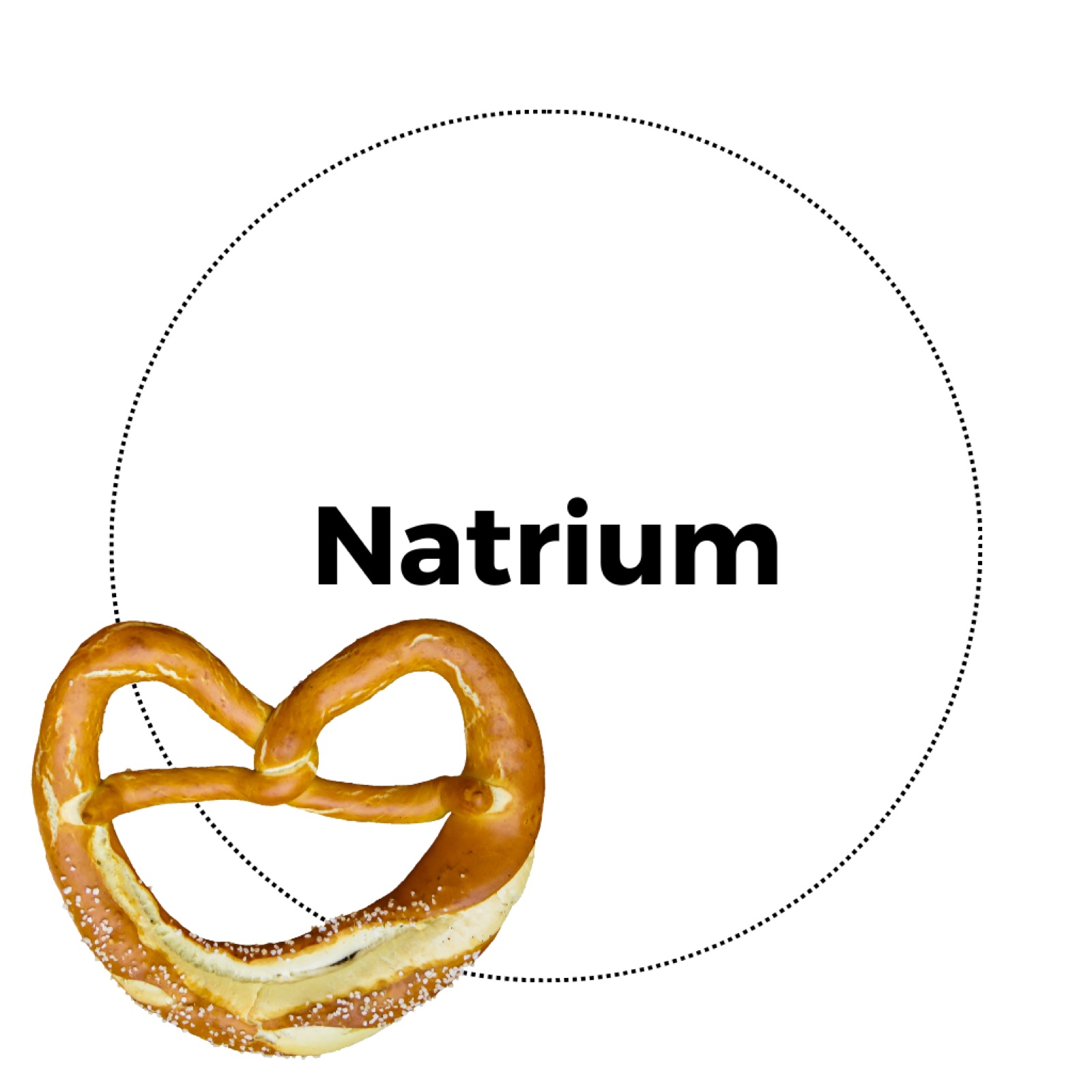
• Pretzel sticks
• Bread, rolled oats, legumes
• Tilsit, Gouda, processed cheese
Our focus areas & experience:
-

Coaching & Support
Support for more than 3,000 clients in the areas of self-reflection, conflict resolution, mindfulness and conscious living.
-
Colon Hydrotherapy and Bowel Support
More than 6,000 colon hydrotherapy sessions carried out, along with accompanying naturopathic bowel assessments within the scope of a naturopathic practice.
-

Fasting Support
More than 350 supervised fasting periods as well as freshly prepared juices as part of individually tailored support concepts in Berlin.
-
Infusions & Nutrient Support
More than 8,000 infusions administered and individually tailored support services within a holistic approach.
-
Accompanying Laboratory Analyses
Experience with more than 5,000 evaluated blood, stool, saliva and urine analyses for naturopathic assessment and progress review.
Professionally responsible: Yesha Karmeli, naturopathic practitioner (Heilpraktiker), Natura Heilpraxis Berlin. This text provides general information and does not replace individual advice.