
 Natura
On this page you will find a summary overview of the ingredients of our special infusions. The information is presented objectively and transparently and serves as general information about the substances used, their role in metabolism and how they are described in the specialist literature. Terms such as energy, immune system or vitality are used here purely descriptively and without any therapeutic claim.
The information does not replace medical diagnostics or therapy. No promises of healing, effect or success are made.

What does glutathione do in the body?
Glutathione is a tripeptide consisting of the three amino acids glycine, cysteine and glutamic acid. If these three amino acids are present and the organism is healthy, the body can produce glutathione on its own. It occurs throughout the body and is involved in many metabolic processes. However, glutathione is particularly concentrated in the liver, the human organ of detoxification.
• involved in metabolic processes of the liver (biotransformation)
• involved in cell division and cell metabolism
• involved in the transport of amino acids into the cells
• part of the cell's antioxidant system
How can glutathione deficiency show up?
In the case of glutathione deficiency, the body's antioxidant protection system can become unbalanced. The organism is then more susceptible to harmful external influences.
This can manifest itself in an increased occurrence of:
• infections
• inflammation
• weakness
• fatigue
• mood swings
• depressive moods
What contributes to glutathione deficiency?
Although the body can produce glutathione itself, it is quickly used up in everyday life, for example by stress or environmental influences.
An unbalanced or deficient diet can favor a lack of glutathione building blocks (glutamic acid, cysteine and glycine) and thus a glutathione deficiency.
In addition, the body's ability to synthesize glutathione decreases with age.
A deficiency can also arise if an increased need for glutathione is not met. This can occur with sports activity, environmental burdens, certain illnesses, drug use or smoking.
What is the daily requirement?
100 mg/day
Where is glutathione found?
The following, for example, are considered particularly rich in glutathione:
• sprouts and seedlings
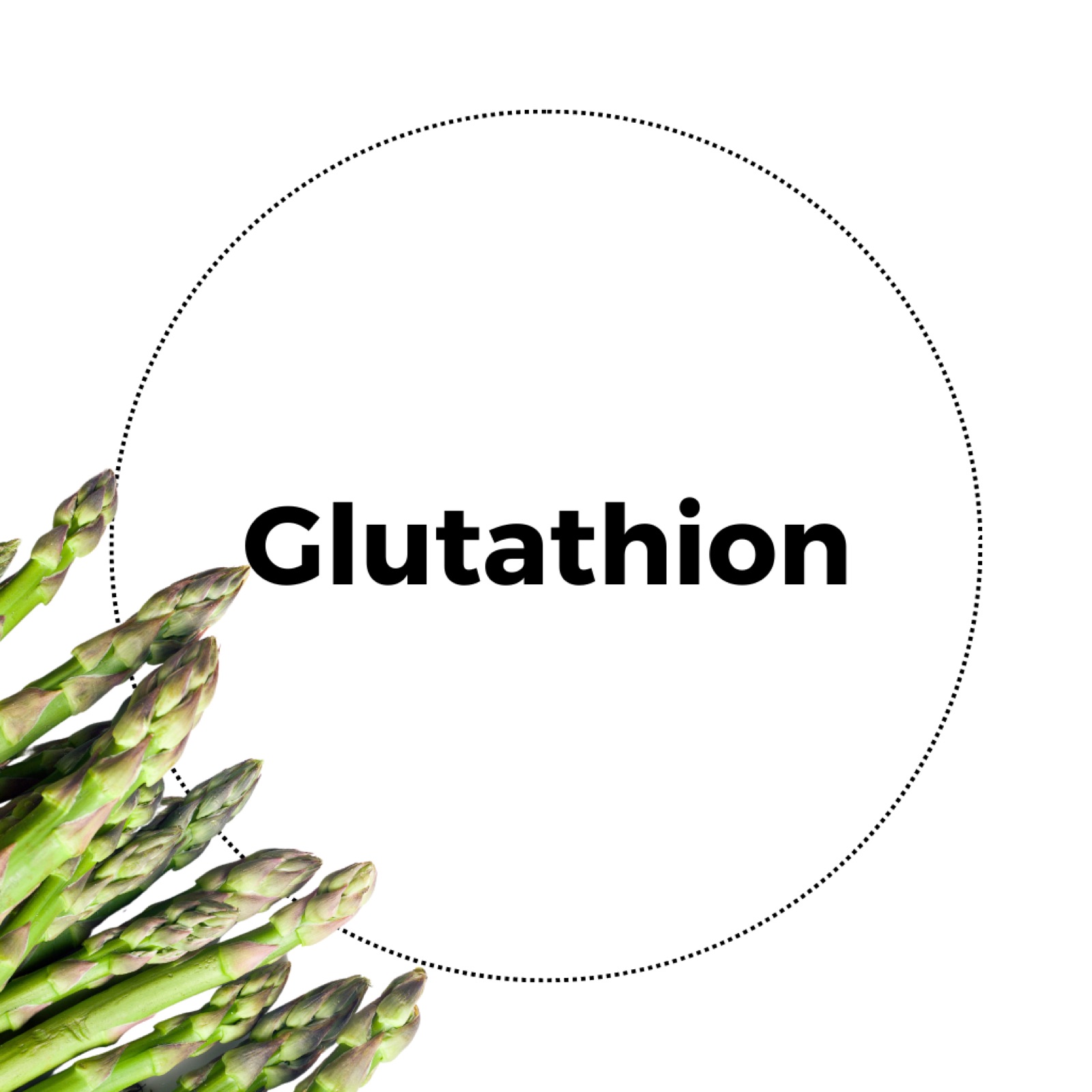
• fresh asparagus, spinach, parsley and broccoli
• yeast
• liver and meat
However, long storage, processing and heating usually cause the glutathione content to drop sharply. For this reason, processed foods usually contain only small amounts of this nutrient.
What does alpha-lipoic acid do in the body?
Alpha-lipoic acid is a sulfur-containing fatty acid. In its natural form, it occurs as a coenzyme in the mitochondria of almost all eukaryotes and plays an important role in energy metabolism, among other things. In addition, it is relevant for:
• release of nitric oxide leads to vasodilation & regulation of vascular tone
• ammonia metabolism in the liver
• immune response
• release of growth hormones, insulin, prolactin and glucagon
• polyamine synthesis
• increased need during infections, diets and intense physical exercise
Why is an adequate supply of alpha-lipoic acid a topic?
• blood vessels
• glucose uptake and utilization
• antioxidant (scavenging free radicals)
• insulin sensitivity
• glutathione levels, including in diabetics
• nerve conductivity
• blood circulation
• cardiovascular system and nervous system
• vitamin C status in diabetes
• eye lens (cataract) in diabetes
• peripheral nerve cells
• oxidative stress
Possible side effects of alpha-lipoic acid administration
Excessively high doses of alpha-lipoic acid can lead to undesirable side effects, although these are rather rare.
The most common side effects include dizziness and nausea. Depending on the dosage form, the following side effects may also occur in very rare cases:
• itching
• skin redness
• allergic reactions up to and including allergic shock
• shortness of breath
• headaches
• double vision
• blood clotting disorders
What is the daily requirement?
100-300 mg/day
Where is alpha-lipoic acid found?
Alpha-lipoic acid occurs particularly in animal foods, but also in some vegetables:
• liver
• heart
• kidneys
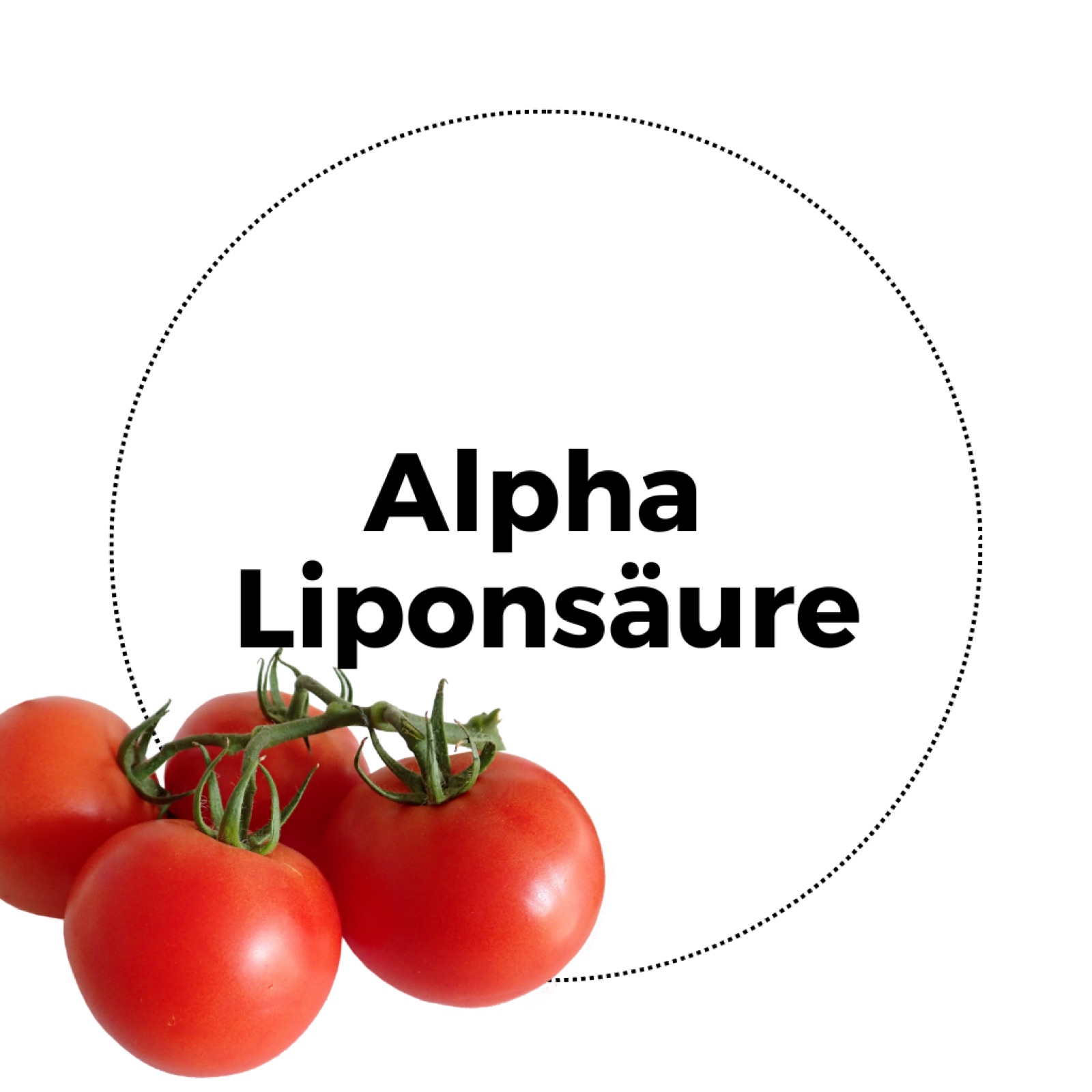
• tomatoes
• spinach
• broccoli
What does sodium bicarbonate do in the body?
Sodium bicarbonate leads to an increase in pH (into the alkaline range).
Why is an adequate supply of sodium bicarbonate a topic?
Due to its acid-binding properties, sodium bicarbonate is used in various medical conditions:
• buffer function in heartburn and stomach problems
• buffer function in the blood (to compensate for missing bases during hemodialysis)
• treatment of metabolic acidosis (metabolic acidification of the blood and the body)
• in hyperkalemia
Possible side effects of sodium bicarbonate administration
Occasionally, belching and flatulence may occur.
An overdose of sodium bicarbonate can also lead to alkalosis. In this case, the pH of the blood rises above 7.45 due to an increase in bicarbonate. The intracellular hydrogen ions are then exchanged for extracellular potassium, so that hypokalemia (potassium deficiency) develops. Typical symptoms of low blood potassium levels are muscular adynamia with paralysis, weakened or absent reflexes, constipation, bladder paralysis, intestinal obstruction and cardiac arrhythmias.
What is the daily requirement?
—
Where is sodium bicarbonate found?
Baking powder
Sour cream butter
Table water
Processed cheese / cooking cheese / sour cream cheese
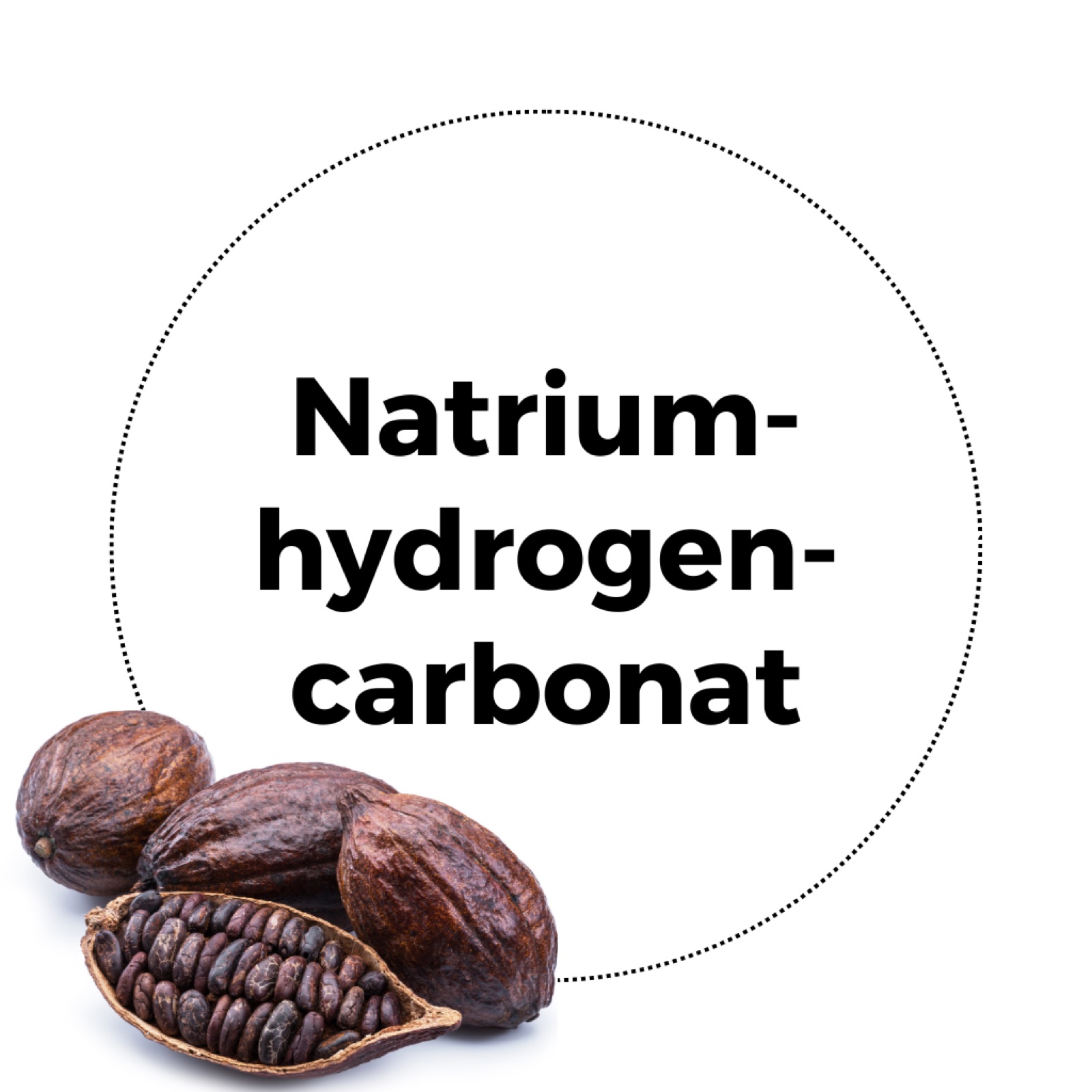
Cocoa and cocoa products (e.g. chocolate)
Coffee substitutes / coffee additives
Sherbet powder
What does choline citrate do in the body?
Chemically, choline belongs to the group of biogenic amines. With an adequate supply of amino acids, especially methionine and lysine, choline can be formed in the human organism.
It has many functions in the human body, especially in the brain and the autonomic nervous system.
One of the most important neurotransmitters in the human organism, acetylcholine, is formed from choline and acetyl-CoA. Important functions of acetylcholine particularly affect the autonomic nervous system. Here, acetylcholine acts as a transmitter controlling both the sympathetic and the parasympathetic nervous system. The autonomic nervous system regulates the function of all organs of the human body and adapts their function to current needs.
How can choline deficiency show up?
A lack of acetylcholine means that nerve impulses are not transmitted properly. The resulting impairment of the autonomic nervous system can have serious consequences even with minor disturbances; the most important are:
• circulatory disorders of the brain and all organs
• disorders of the sensory organs (eyes, ears, sense of touch and balance)
• disorders of heart and lung function
• disorders of digestion and liver function
• disorders of the kidneys and urinary tract
• disorders of the endocrine glands (thyroid, gonads, thymus, etc.)
• disorders of the musculoskeletal system
• disorders of the electrolyte balance
What contributes to a disturbance of choline balance?
The control of the autonomic nervous system, and thus the adaptation of the function of the respective organs to the current situation, takes place via the antagonists sympathetic and parasympathetic nervous system. In a healthy organism, both parts of the autonomic nervous system are in balance.
This balance can be disturbed by many influences:
• stress and overload
• noise exposure
• chronic pain
• poisoning from environmental pollution, heavy metals, etc.
• chronic illnesses
• insufficient dietary intake
• insufficient absorption in the gastrointestinal tract
What is the daily requirement?
400 mg/day
Where is choline found?
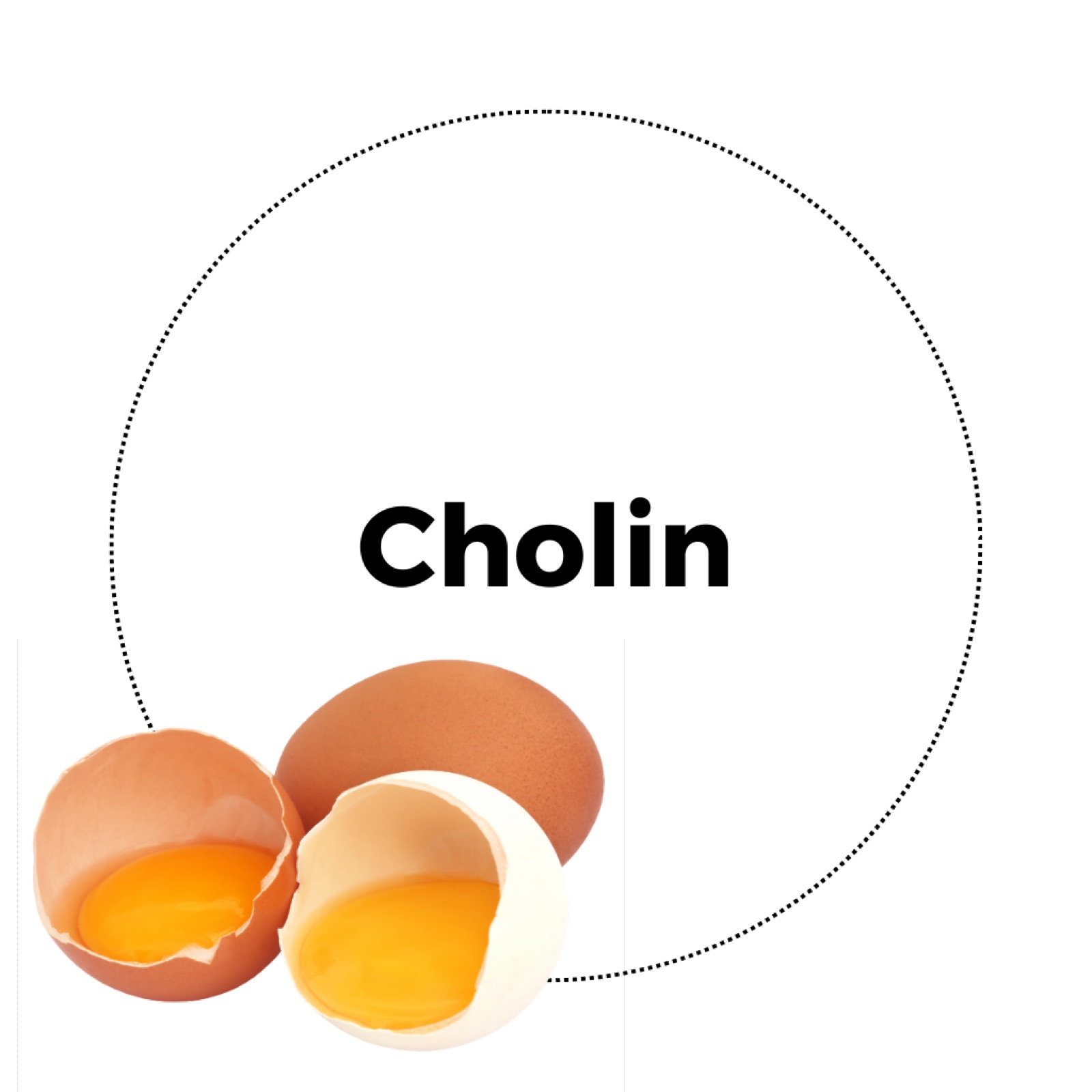
Choline is found mainly in animal foods such as egg yolk, milk, beef and pork liver. Grains, beans and nuts also contain smaller amounts.
Our focus areas & experience:
-

Coaching & support
Support for more than 3,000 clients in the areas of self-reflection, conflict resolution, mindfulness and conscious living.
-
Colon hydrotherapy and intestinal support
More than 6,000 colon hydrotherapy sessions performed, as well as accompanying, naturopathically oriented intestinal assessments within the scope of naturopathic practice.
-

Fasting support
More than 350 supervised fasting periods as well as freshly prepared juices as part of individually tailored support concepts in Berlin.
-
Infusions & nutrient support
More than 8,000 infusion sessions performed and individually tailored support services as part of a holistic approach.
-

Accompanying laboratory analyses
Experience with more than 5,000 evaluated blood, stool, saliva and urine analyses for naturopathically oriented assessment and classification of progress.
Professionally responsible: Yesha Karmeli, naturopathic practitioner (Heilpraktiker), Natura Heilpraxis Berlin. This text provides general information and does not replace individual advice.