Natura
How is the tolerability of dental materials tested?
The tolerability of dental materials is particularly important for a long-lasting, satisfactory result without burdening the body. In our practice, kinesiology and blood tests are used for this; kinesiology is not scientifically proven.In kinesiology, a person's muscles are used like a measuring instrument. Our muscle response shows whether we are stressed or relaxed.It has been observed that psychological and physical disturbances (stress) manifest themselves in the voluntary muscles in such a way that their holding strength suddenly weakens.
Immune system and dental materials
Why do we examine whether your immune system tolerates the metals/plastics of your dental restorations?
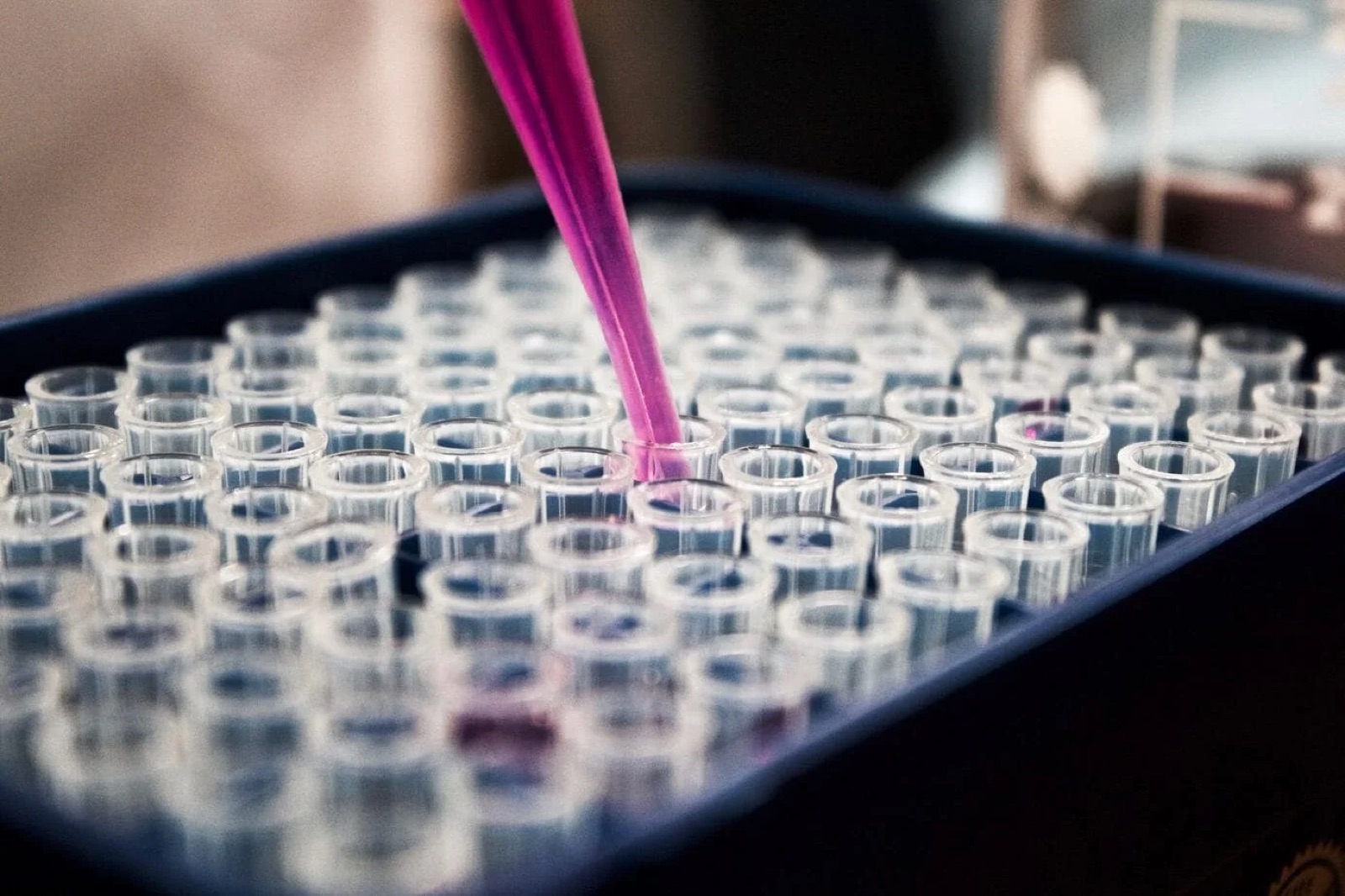
In principle, any material placed in the mouth can trigger an allergic reaction, which can manifest itself in gum inflammation, burning tongue, but also headaches and joint pain, fatigue, weakened immunity, allergies, etc.Blood test - LTT for dental substitute materials (plastics, amalgam, gold, titanium, adhesives,....etc.) - your own material samples can also be tested!Allergic sensitization to dental materials can be the cause of local and systemic inflammatory reactions. The standard methods of the lymphocyte transformation test (LTT, MELISA) have proven themselves for clarifying metal sensitization.
Kinesiology
The muscle test is only a small part of a larger method: "applied kinesiology," abbreviated AK. In German it is called "angewandte Kinesiologie." It was discovered and developed mainly by the American chiropractor George Goodheart.
What can be tested with kinesiology (muscle test)?
Medications
Allergies
Dental materials
Functional disorders of body regions
Substances from dental fillings, ceramics or metals constantly enter the bloodstream via saliva and are stored by the organism. In naturopathy, intolerances to dental materials are therefore regarded as a possible burden on the body.This does not only apply to mercury from amalgam. The quality of processing in the dental laboratory also plays an important role here. There is no general tolerability of a dental material. Every organism deals with foreign substances differently based on its individual circumstances.
Professionally responsible: Yesha Karmeli, naturopathic practitioner (Heilpraktiker), Natura Heilpraxis Berlin. This text provides general information and does not replace individual advice.