Natura
The parasympathetic nervous system, part of the autonomic nervous system, plays a crucial role not only in regulating vital functions in the body but also in recovery and regeneration processes. In this article, we take a closer look at the role of the parasympathetic nervous system in connection with the body's regeneration and with various diseases.

The Parasympathetic Nervous System, Regeneration, and the Influence of Stress Hormones Such as Cortisol and Adrenaline
The parasympathetic nervous system plays a crucial role in promoting relaxation and regeneration in the body. In this article, we discuss the importance of the parasympathetic nervous system for your health, particularly in connection with regeneration and the influence of stress hormones such as cortisol and adrenaline.
Symptoms of impaired parasympathetic function: In naturopathy, the following complaints, among others, are associated with impaired parasympathetic function. They can have many causes and should be clarified by a physician:
Cardiovascular symptoms: Racing heart, irregular heartbeat, low blood pressure.
Digestive problems: Stomach complaints, indigestion, irritable bowel, nausea.
Breathing difficulties: Shallow breathing, shortness of breath, hyperventilation.
Psychological symptoms: Anxiety, nervousness, sleep disturbances.
General malaise: Tiredness, exhaustion, increased susceptibility to infections.
The influence of stress hormones: Stress hormones such as cortisol and adrenaline can influence the function of the parasympathetic nervous system and hinder its regeneration. In stressful situations, these hormones are released in greater quantities, which can lead to activation of the sympathetic nervous system and suppression of the parasympathetic nervous system. This imbalance can have long-term effects on your health.
The Parasympathetic Nervous System and Regeneration
The parasympathetic nervous system is closely linked to the body's state of rest and recovery. When it is activated, it promotes a variety of regenerative processes that help repair and renew the body. These include:
Cell regeneration: The parasympathetic nervous system is associated with resting and building-up processes that are important for the regeneration of injured or damaged tissue.
Improved digestion and nutrient absorption: By promoting healthy digestion and optimal nutrient absorption, the parasympathetic nervous system supports the repair and growth of tissues throughout the body.
Inflammatory processes: In research, an active parasympathetic nervous system is described in connection with the regulation of inflammatory processes in the body.
Relaxation: The parasympathetic nervous system is associated with relaxation and rest and thus forms the counterpart to the stress response.
The Parasympathetic Nervous System and Diseases
The parasympathetic nervous system is also discussed in connection with various diseases. Some examples are:
Cardiovascular diseases: The parasympathetic nervous system lowers the heart rate; its role in cardiovascular diseases is a subject of research.
Digestive disorders: Impaired parasympathetic function can lead to digestive disorders. The parasympathetic nervous system is involved in controlling digestion.
Inflammatory diseases: In research, the parasympathetic nervous system is described in connection with inflammatory processes, for example in arthritis, asthma, or inflammatory bowel diseases. Their treatment belongs in the hands of a physician.
Mental health: Parasympathetic dysfunction is also associated with mental illnesses such as anxiety disorders and depression. These conditions require medical or psychotherapeutic treatment.
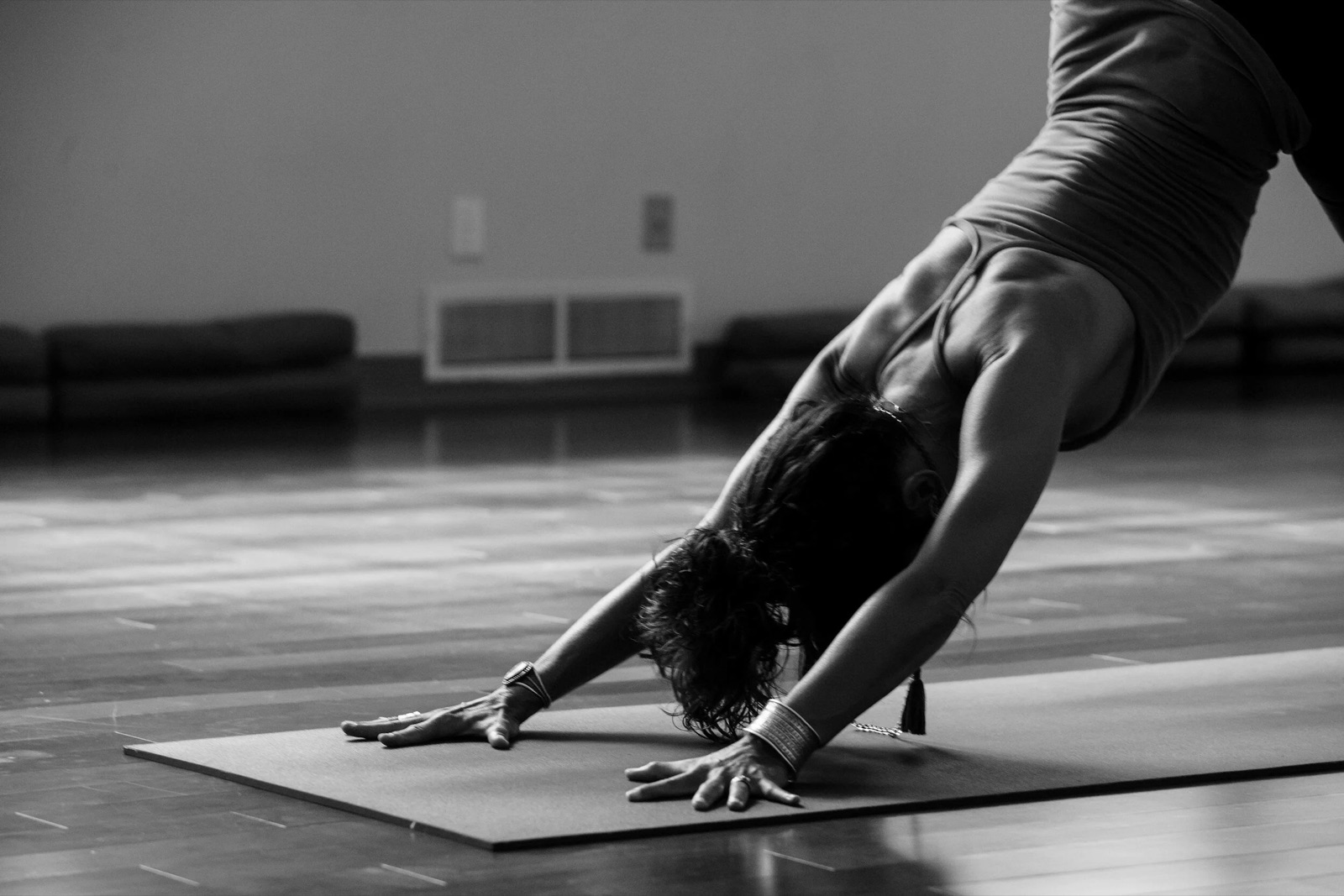
The parasympathetic nervous system plays an important role in the body's rest and recovery processes.
The parasympathetic nervous system plays an important role in the body's rest and recovery processes. Among other things, it is involved in digestion, relaxation, and the regulation of heart rate and breathing, and it is discussed in connection with various disease states.
The influence of the parasympathetic nervous system on health
The human body is a complex system controlled by various physiological processes, including the autonomic nervous system. An important part of this system is the parasympathetic nervous system, which plays a key role in regulating vital functions such as heart rate, breathing, digestion, and hormone production. In this article, we take a closer look at the importance of the parasympathetic nervous system for health and examine the consequences of a blockage of this system.
The Parasympathetic Nervous System: An Introduction
The parasympathetic nervous system is part of the autonomic nervous system and acts as the counterpart to the sympathetic nervous system. While the sympathetic nervous system is often known as the "fight-or-flight system" and is activated in stressful situations, the parasympathetic nervous system is responsible for promoting relaxation, rest, and digestion. It is often referred to as the "rest-and-digest system."
The Role of the Parasympathetic Nervous System in the Body
The parasympathetic nervous system regulates a variety of vital functions in the body, including:
Heart rate and blood pressure: The parasympathetic nervous system lowers the heart rate and contributes to the regulation of blood pressure by slowing down the activity of the heart.
Digestion: It plays a crucial role in promoting digestion by increasing the secretion of digestive juices and intestinal peristalsis.
Breathing: The parasympathetic nervous system is involved in regulating the breathing rate and promotes calm, regular breathing at rest.
Hormonal regulation: It influences the production of certain substances, such as acetylcholine, which plays a key role in the transmission of nerve impulses.
Consequences of a Blockage of the Parasympathetic Nervous System
A blockage or dysfunction of the parasympathetic nervous system can have serious effects on health and blocks the body's regeneration. Possible consequences include:
Cardiovascular diseases: Impaired regulation of heart rate and blood pressure by the parasympathetic nervous system can lead to cardiac arrhythmias, hypertension, and other cardiovascular diseases.
Digestive disorders: Impaired parasympathetic function can lead to digestive disorders such as gastrointestinal complaints, bloating, constipation, or diarrhea.
Breathing problems: Impaired respiratory regulation can lead to breathing problems such as asthma, hyperventilation, or sleep apnea.
Hormonal dysregulation: Parasympathetic dysfunction can lead to insufficient hormone production, which can affect various body systems, including metabolism, reproductive functions, and the immune system.
Exhaustion: A blockage of the parasympathetic nervous system can lead to excessive activation of the sympathetic nervous system, which can result in chronic stress, persistent exhaustion, and a general feeling of being overwhelmed.
The Importance of Restoring the Parasympathetic Nervous System
Given the many effects of impaired parasympathetic function, restoring this system is of crucial importance for health and well-being. Naturopathy describes various measures that relate to the parasympathetic nervous system and the balance of the autonomic nervous system.
Conclusion
The parasympathetic nervous system plays a crucial role in regulating vital functions in the body. A blockage or dysfunction of this system can have serious effects on health, including cardiovascular diseases, digestive disorders, breathing problems, and hormonal imbalances. Restoring the parasympathetic nervous system is therefore of great importance for promoting health and well-being.
Sources:
"The Polyvagal Theory: Neurophysiological Foundations of Emotions, Attachment, Communication, and Self-regulation" by Stephen W. Porges (2011). This book provides a comprehensive insight into polyvagal theory, which emphasizes the role of the parasympathetic nervous system in regulating social interactions and emotional regulation.
"Effects of Exercise on Autonomic Function in Health and Cardiovascular Disease" by Michael V. Fedewa et al. (2017). This review examines the effects of physical activity on parasympathetic activity and emphasizes the importance of exercise as a therapeutic approach to promoting autonomic regeneration.
Professionally responsible: Yesha Karmeli, naturopathic practitioner (Heilpraktiker), Natura Heilpraxis Berlin. This text provides general information and does not replace individual advice.