Natura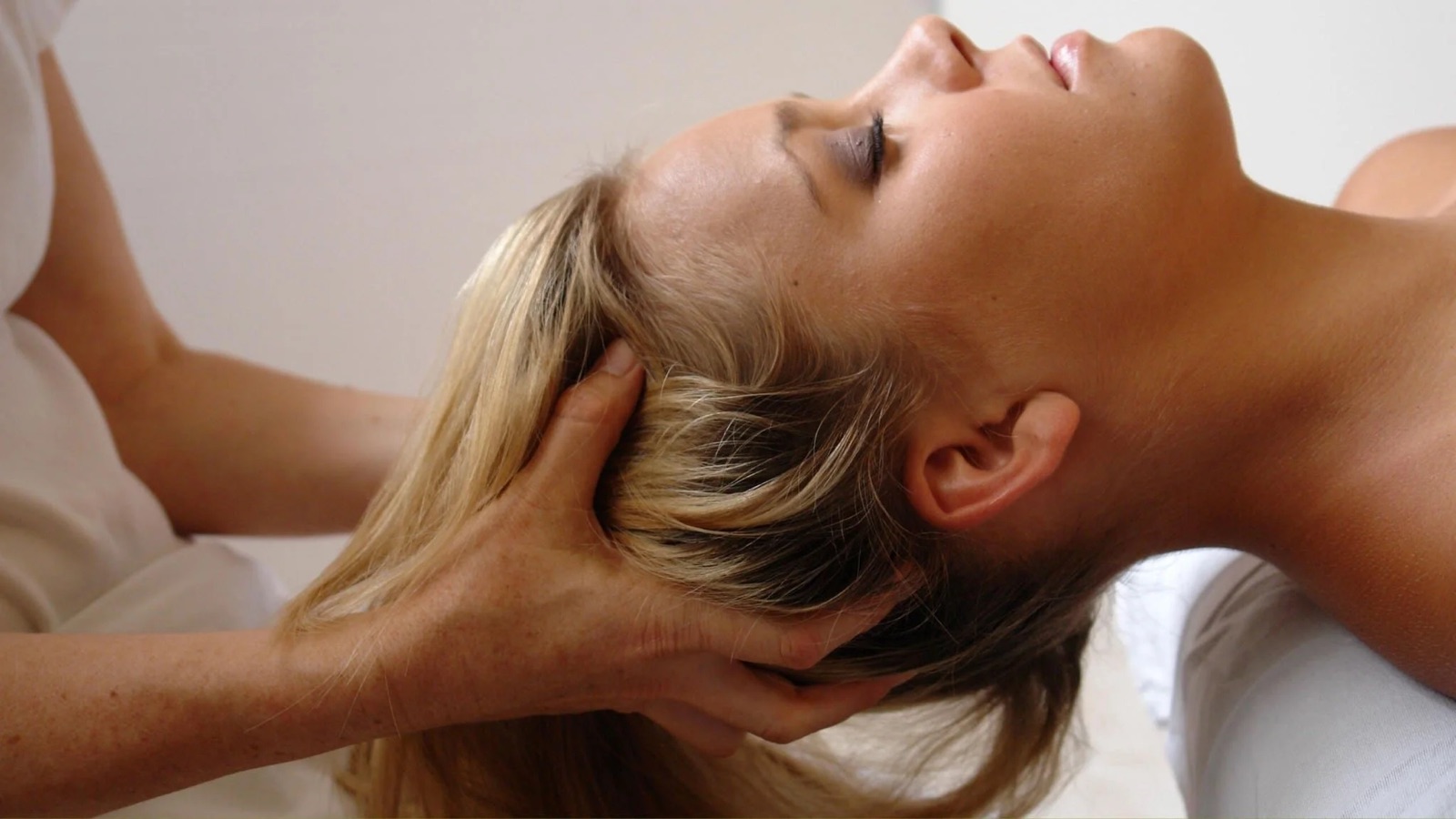
What is craniosacral therapy? How does craniosacral therapy work?
Craniosacral therapy is a very gentle, manual treatment of the body that developed in the USA at the beginning of the 20th century from the "cranial osteopathy" founded by William G. Sutherland. Sutherland was a student of Andrew Taylor Still, the founder of osteopathy. In the 1970s, John E. Upledger studied cranial osteopathy very intensively and pursued his studies to perfection. He refined and specified the treatment techniques, thereby creating "craniosacral therapy". Among other things, he described movements between the cranial bones.
The principle of craniosacral therapy
The principle of craniosacral therapy is based on perceiving and influencing minimal movements of the cranial bones and the craniosacral rhythm, which expresses itself in the flow of the spinal and cerebral fluid (cerebrospinal fluid).
What does craniosacral mean?
Cerebrospinal fluid is an important nutrient medium for the metabolic processes of our nervous system. It also serves to transport immune cells and protects the brain like a water cushion from external mechanical influences. Since the fluid circulates between the spinal cord and the brain, the terms "cranio" (cranium (Lat.) = skull) and "sacral" (sacrum (Lat.) = sacrum) arise. The craniosacral rhythm mentioned pulsates alongside other body rhythms, such as heartbeat and breathing, through the connective tissue throughout the whole body, so that it can be felt everywhere. As the "primary respiratory rhythm", it stands above all other body rhythms, since the nervous system, and thus also the craniosacral system, is the first to develop during embryonic development. But it is also the system that is the last to leave the body at the end of life, during the dying process.
In connection with which topics is craniosacral therapy used?
The method is used, for example, in connection with the following topics:
pain in the musculoskeletal system
muscular tension
adhesions of the fascia
herniated discs
jaw joint problems (craniomandibular dysfunction)
restricted movement
In addition, some people use the method to
perceive their body better
relax deeply
feel more vital overall
find calm and balance
engage with the body's self-regulation
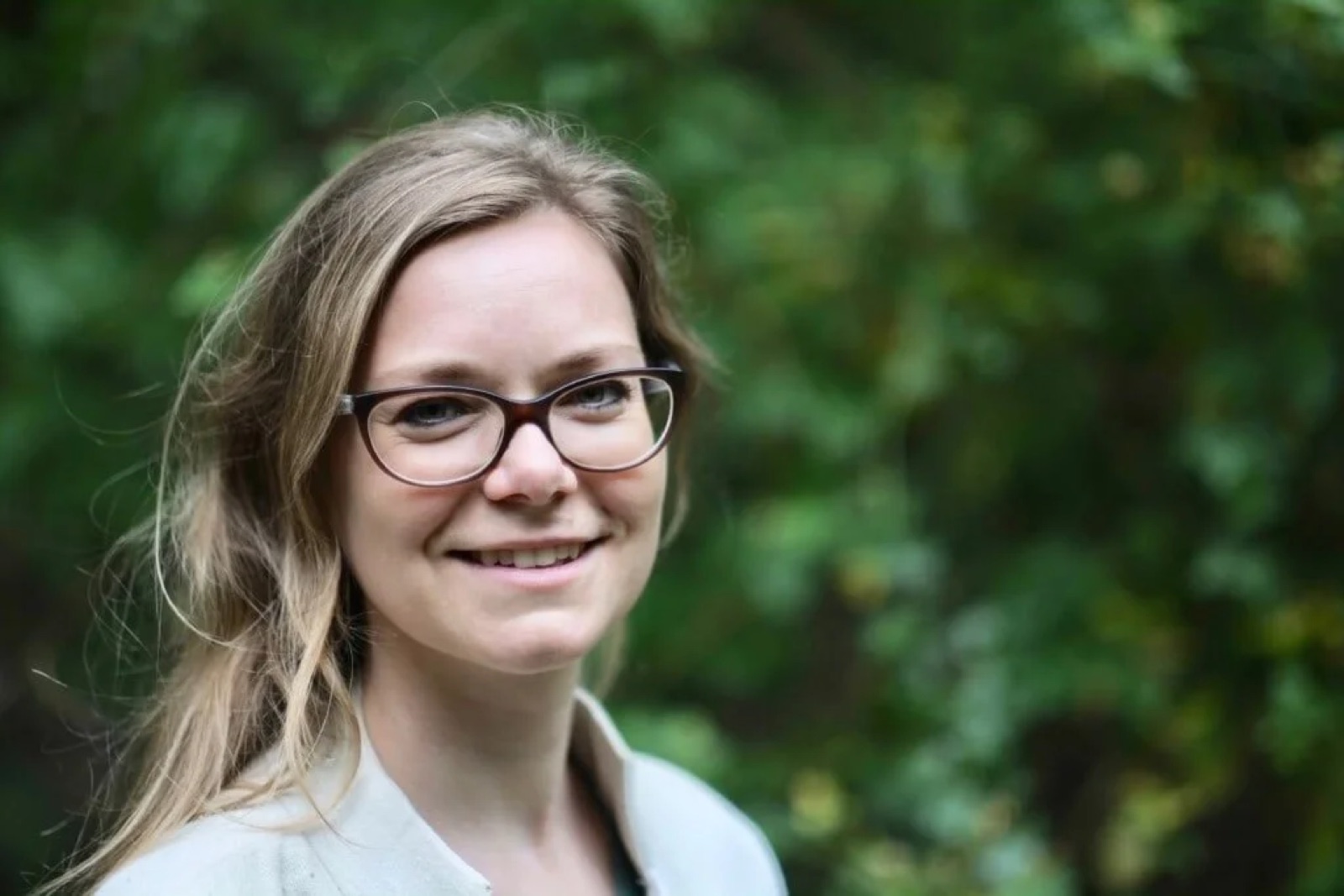
Sarah Gemeinbauer, physiotherapist – manual therapist – craniosacral treatments
For more than 15 years, I have been working as a physiotherapist, mainly in orthopedics. What characterizes me above all is great empathy and a positive, understanding view of the patient's problems.
My treatment focus is gentle manual therapy combined with craniosacral relaxation techniques. In addition, I work with gentle impulses on topics such as craniomandibular dysfunction (tension and dysfunction in the area of the jaw joint), tension headaches or acute and chronic myofascial pain in the musculoskeletal system.
My philosophy is always to view the body as a coherent unit, with an awareness that the body has an inherent tendency to regulate itself.
Craniosacral therapy - https://heilpraktiker.de/naturheilkunde/naturheilverfahren/craniosacrale-therapie
The effect of oscillating-energy manual therapy on lateral epicondylitis: a randomized, placebo-control, double-blinded study https://pubmed.ncbi.nlm.nih.gov/18215746/
Professionally responsible: Yesha Karmeli, naturopathic practitioner (Heilpraktiker), Natura Heilpraxis Berlin. This text provides general information and does not replace individual advice.