
 Natura
What is anthroposophic medicine?
The anthroposophic teaching according to Rudolf Steiner is based, among other things, on the idea that matter is condensed spirit. This is an important element in my holistic therapy approach.

According to anthroposophic medical teaching, what matters for human health is the consideration of the many connections between the individual person, their nature, and their environment. The treatment of an illness requires the most holistic possible consideration of its causes. In this school of medicine, the choice of a particular therapy is therefore determined not only by the diagnosis alone, but also by the course of the illness, the person's life history, social environment, and the personality of the person affected. Questions about the meaning and nature of illness or dying, as well as about the goal of healing, are also approached holistically. Ultimately, for recovery, body, soul, and spirit are meant to return to a harmonious interplay.
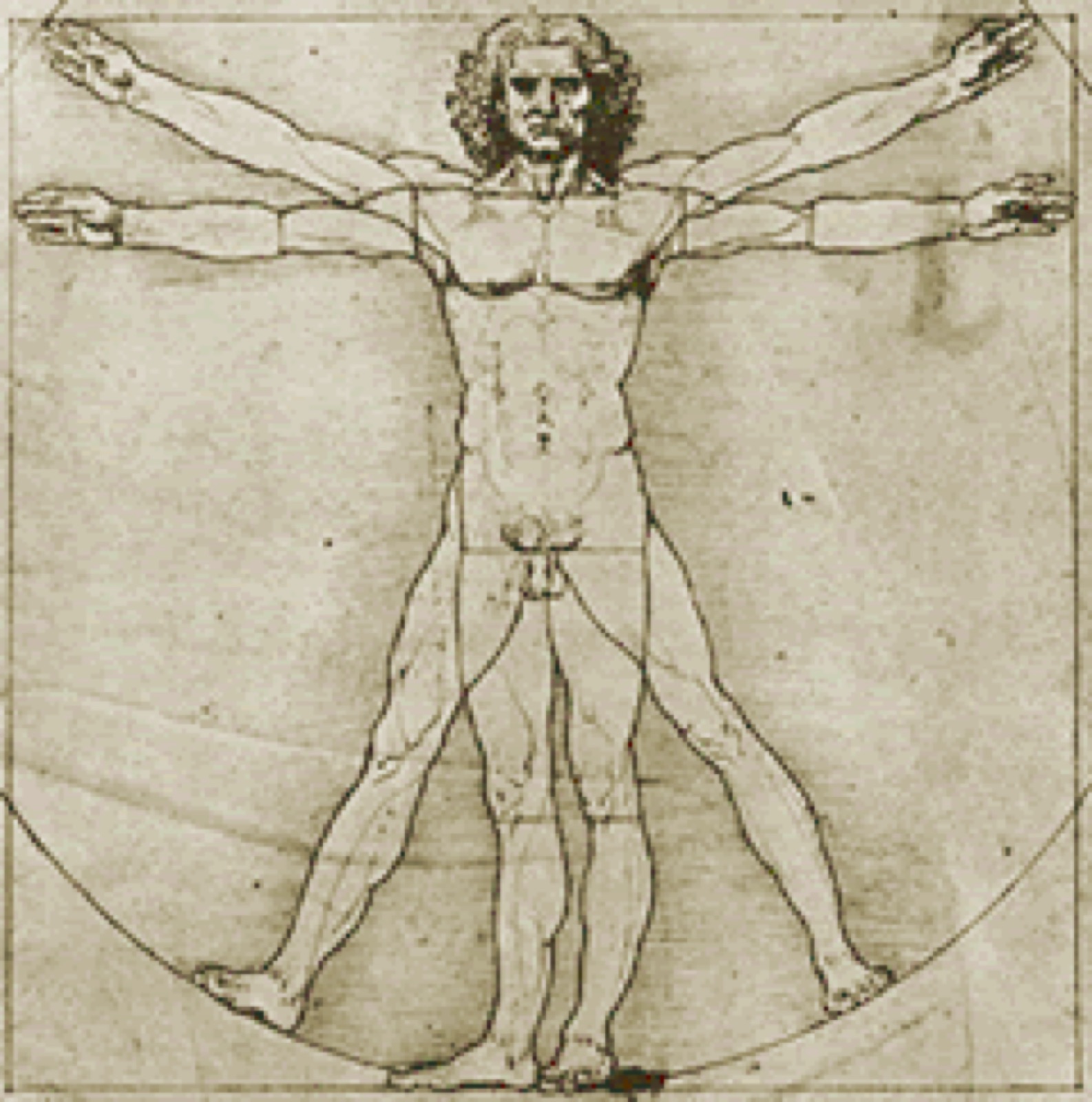
Anthroposophic medicine does not see itself as alternative medicine, but, according to its founders Rudolf Steiner and Ita Wegman, as conventional medicine extended by anthroposophy, part of so- called complementary medicine.
Dr. med. Ita Wegman (1876 – 1943) headed the Medical Section at the Goetheanum from 1924 to 1935, founded several clinics, institutes for curative education, and therapeutic facilities, and was the central figure of anthroposophic medicine in the first half of the 20th century.
Professionally responsible: Yesha Karmeli, naturopathic practitioner (Heilpraktiker), Natura Heilpraxis Berlin. This text provides general information and does not replace individual advice.