
 Natura
Acupuncture in Berlin
Acupuncture: A Holistic Therapy and Its Use at Natura Heilpraxis
History of Acupuncture
Acupuncture is a healing method more than 2,000 years old that originated in traditional Chinese medicine (TCM). The first written records of acupuncture are found in the "Huangdi Neijing" (The Yellow Emperor's Inner Classic), a foundational medical text written around 200 BC. Over the centuries, acupuncture was practiced and further developed in Asia before reaching Europe in the 17th century. Today, acupuncture is known worldwide and is used in both traditional and modern medicine.
Meridians and Their Description
In TCM, the human body is crossed by a network of energy pathways known as meridians. These meridians carry life energy, the so-called "Qi", through the body. There are twelve main meridians, each connected to a specific organ, as well as eight additional meridians that play a supporting role.
?

When is acupuncture worth considering?
Acupuncture is used in various situations and in connection with a range of complaints. Here are some areas in which acupuncture is frequently requested in practice:
1. Chronic pain
Acupuncture is often used in connection with chronic pain, such as:
Back pain
Neck pain
Joint pain (e.g., knee or shoulder pain)
Arthritic pain
2. Migraine and headaches
Acupuncture is also used in connection with migraines and tension headaches.
3. Sleep disorders
Acupuncture is also used in connection with sleep disorders such as insomnia. During the session, you lie still while the needles are in place.
4. Digestive problems
People with digestive complaints such as irritable bowel syndrome (IBS), heartburn, and nausea also ask about acupuncture. In TCM, it is described in connection with the digestive system.
5. Allergies and asthma
In TCM, acupuncture is described in connection with the immune system as well as with allergies and asthma, usually as a complement to other treatments.
6. Stress and anxiety
Acupuncture is also used in connection with stress and anxiety. Many people experience the session as a quiet time. Research discusses, among other things, the release of endorphins and other neurotransmitters in the brain.
7. Depression
Acupuncture can be used as a complement to psychotherapeutic and medication-based treatment. The treatment of depression belongs in the hands of a physician or psychotherapist.
8. Hormonal imbalances
Women with menstrual complaints, premenstrual syndrome (PMS), menopausal symptoms, or an unfulfilled wish to have children also ask about acupuncture. In TCM, it is described in connection with hormonal balance.
9. Rehabilitation after injuries
Acupuncture is also used after injuries or surgery, as a complement to medical aftercare.
10. Support with quitting smoking and weight loss
Acupuncture is also used alongside efforts to quit smoking and lose weight.
Conclusion
Acupuncture is a versatile form of therapy from TCM that is used in many different contexts. It can be used on its own or as a complement to other medical and therapeutic approaches.
How many acupuncture sessions are needed?
The number of acupuncture sessions varies depending on individual circumstances, the type and severity of the complaints, and the patient's general state of health. Here are some general guidelines:
Acute complaints
For acute complaints, such as recent pain or injuries, usually only a few sessions are planned. A typical framework for acute cases may look like this:
2-3 sessions per week for 1-2 weeks
Chronic complaints
Chronic complaints that have existed for a longer period usually require longer-term treatment. Here are the recommendations for chronic problems:
1-2 sessions per week for 6-8 weeks
Preventive and wellness treatments
For preventive purposes and general well-being, acupuncture can be performed at regular intervals:
1 session per month or every 6-8 weeks
Examples for specific conditions
1. Chronic back pain
1-2 sessions per week for 6-8 weeks, then as needed.
2. Migraine
1 session per week for 4-6 weeks, then every 2-4 weeks as needed.
3. Sleep disorders
1 session per week for 4-8 weeks, then every 2-4 weeks depending on progress.
4. Depression and anxiety
1-2 sessions per week for 6-8 weeks, followed by regular follow-up sessions according to individual needs.
Personal adjustment
It is important that the treatment plan is tailored to the individual. After the initial consultation and a comprehensive diagnosis, a qualified acupuncturist will draw up a specific treatment plan that is aligned with your needs and goals. The frequency and number of sessions can be adjusted during the course of treatment, depending on how the body responds and on the progress made.
How often are acupuncture sessions scheduled?
How acupuncture is experienced varies from person to person and depends on the circumstances and the complaints. Here are some factors that play a role:
Factors that play a role
Type of complaints
Acute complaints: Usually only a few sessions are planned at short intervals.
Chronic complaints: Usually several sessions are planned over a longer period, with regular follow-up appointments if needed.
What does “blockages” mean in acupuncture?
Traditional Chinese Medicine (TCM) assumes that Qi, the life energy, flows through the body via a network of meridians. In TCM, blockages in these meridians are associated with various complaints. Acupuncture is used in TCM to work with these blockages. Here are some aspects of how this is described:
How TCM describes acupuncture
Stimulation of acupuncture points
Thin needles are inserted into specific acupuncture points along the meridians. In TCM, this is described as stimulating the Qi.
According to this view, the aim is a free flow of Qi.
Blood circulation
When the needles are inserted, the treated area of skin may redden slightly.
Blood circulation supplies tissue with nutrients and oxygen and carries away metabolic products.
Endorphins
Research is discussing whether acupuncture influences the release of endorphins.
Endorphins are the body's own messenger substances involved in the perception of pain.
Nervous system
Research is investigating how acupuncture relates to the autonomic nervous system, that is, the shift between tension (sympathetic) and relaxation (parasympathetic).
Many people experience the session as a quiet time.
Areas of application
1. Muscle and joint blockages
Acupuncture is used for muscle tension and restricted mobility. In TCM, the focus is on the flow of energy in the affected areas.
2. Stress and emotional blockages
Acupuncture is also used in connection with emotional tension and stress, which TCM describes as a cause of energetic blockages.
3. Digestive blockages
In TCM, acupuncture is described in connection with digestive function and the flow of Qi in the meridians of the gastrointestinal tract.
4. Blockages in the respiratory system
For respiratory problems such as asthma or chronic bronchitis, TCM associates acupuncture with the lung meridians. This does not replace medical treatment.
Studies
There are numerous studies on acupuncture, including:
A meta-analysis in "JAMA Internal Medicine" found that acupuncture is effective in treating chronic pain and can provide significant pain relief.
A study in the "Journal of Pain" showed that acupuncture is effective in reducing muscle pain and improving mobility.
Research in the "Journal of Alternative and Complementary Medicine" has shown that acupuncture improves stress management and supports emotional health.
What should you avoid after acupuncture?
There are a few recommendations to follow after an acupuncture treatment. Here are some things you should avoid after an acupuncture treatment if possible:
What to avoid after acupuncture:
Strenuous physical activity
Avoid intense physical activity and strenuous exercise immediately after the treatment. Give yourself some time after the session.
Alcohol and caffeine
Do not drink alcohol after the treatment and avoid excessive caffeine.
Heavy meals
Do not eat heavy or rich meals directly after the treatment. A light, balanced meal is better suited so as not to burden the digestive tract.
Extreme weather and temperature changes
Avoid extremely hot or cold environments, including hot baths, saunas, or ice baths. Sudden changes in temperature can put additional strain on the body.
Stressful or emotional situations
Avoid stressful activities or emotional strain directly after the treatment and give yourself the chance to settle down.
Driving (in case of dizziness or lightheadedness)
If you feel dizzy or lightheaded after the treatment, avoid driving or operating heavy machinery. Rest and hydration are important in this case.
What to do after acupuncture:
Relax
Allow yourself rest and relaxation after the treatment.
Drink plenty of water
Drink enough water.
Light exercise
Light exercise such as a walk is fine, but avoid overexertion.
Mindfulness and self-observation
Pay attention to how your body responds to the treatment. Note any changes and share these observations with your acupuncturist at your next appointment.
What side effects can acupuncture have?
Possible side effects of acupuncture
Common and mild side effects:
Pain or discomfort at the insertion sites
Slight pain or tenderness.
Bruising or bleeding
Small bruises or light bleeding at the insertion sites.
Fatigue
Some patients feel tired or sleepy after the treatment.
Dizziness or lightheadedness
Can occur, especially if not adequately hydrated.
Muscle twitching
Slight muscle twitching at the treated sites.
Rare and serious side effects:
Infections
Very low risk when sterile needles are used.
Nerve injuries
Rare cases of prolonged pain or numbness.
Pneumothorax
Extremely rare complication when a needle is inserted too deeply into the chest.
Severe bleeding or hematomas
Risk in case of blood clotting disorders or blood-thinning medication.
Prevention:
Choose a qualified therapist.
Provide information about your medical history.
Drink enough water before and after the session.
Pay attention to your body and report unusual symptoms.
Acupuncture is generally safe; side effects are usually mild and temporary. Serious complications are rare and can be minimized by choosing a qualified acupuncturist.
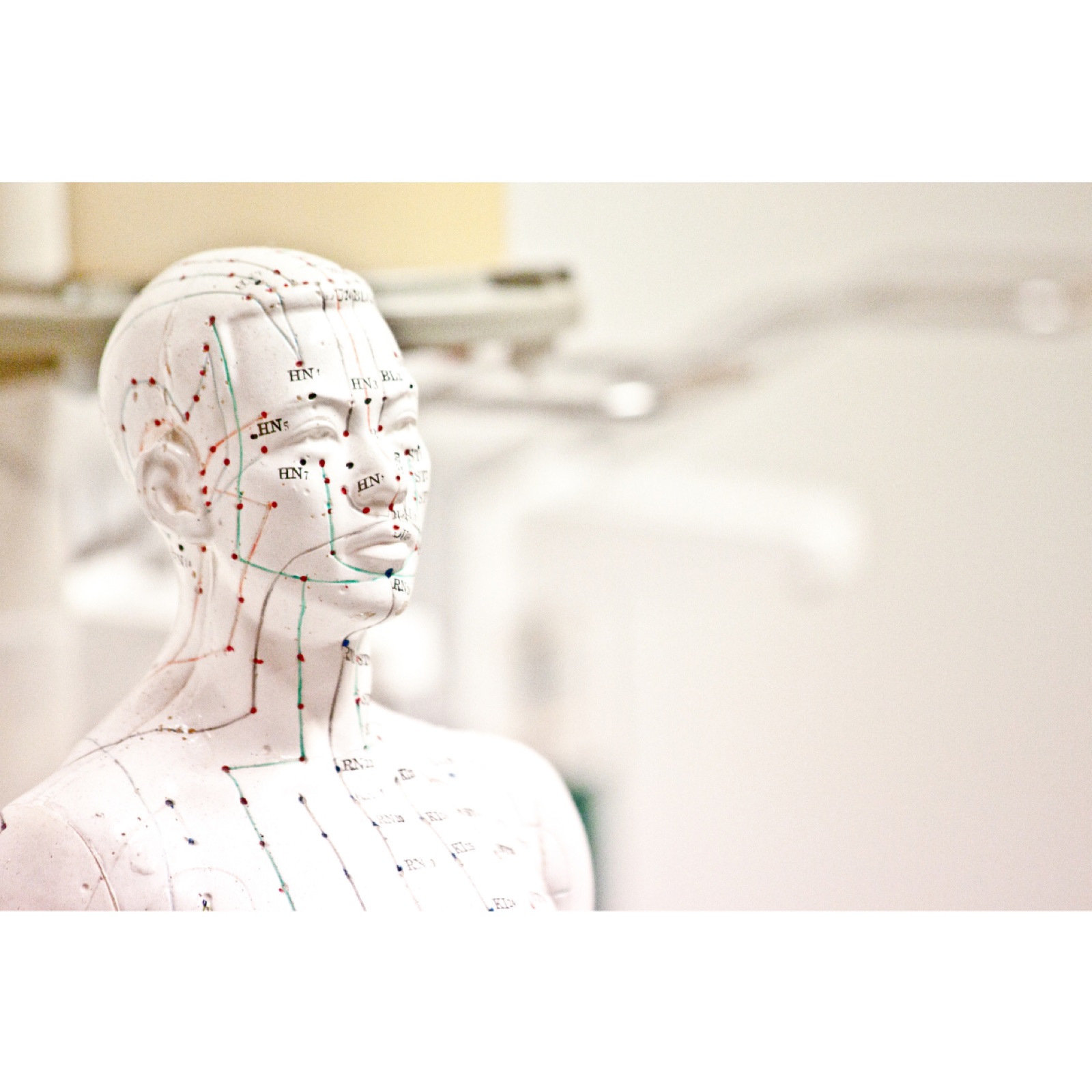
The twelve main meridians and their description in TCM:
Lung meridian (Fei Jing): Associated in TCM with breathing and the flow of energy. Connection to the lungs.
Large intestine meridian (Da Chang Jing): Associated in TCM with elimination and body fluids. Connection to the large intestine.
Stomach meridian (Wei Jing): Associated in TCM with digestion and metabolism. Connection to the stomach.
Spleen meridian (Pi Jing): Associated in TCM with digestion and blood formation. Connection to the spleen.
Heart meridian (Xin Jing): Associated in TCM with the heart, the blood vessels, and mental well-being. Connection to the heart.
Small intestine meridian (Xiao Chang Jing): Associated in TCM with digestion and the absorption of nutrients. Connection to the small intestine.
Bladder meridian (Pang Guang Jing): Associated in TCM with the storage and excretion of urine. Connection to the bladder.
Kidney meridian (Shen Jing): Associated in TCM with kidney function and urination. Connection to the kidneys.
Pericardium meridian (Xin Bao Jing): Associated in TCM with the heart and circulation. Connection to the pericardium.
Triple Burner (San Jiao Jing): Associated in TCM with water balance and body temperature. Connection to the three burners (upper, middle, and lower body cavities).
Gallbladder meridian (Dan Jing): Associated in TCM with digestion and the flow of energy. Connection to the gallbladder.
Liver meridian (Gan Jing): Associated in TCM with blood formation and the flow of energy. Connection to the liver.
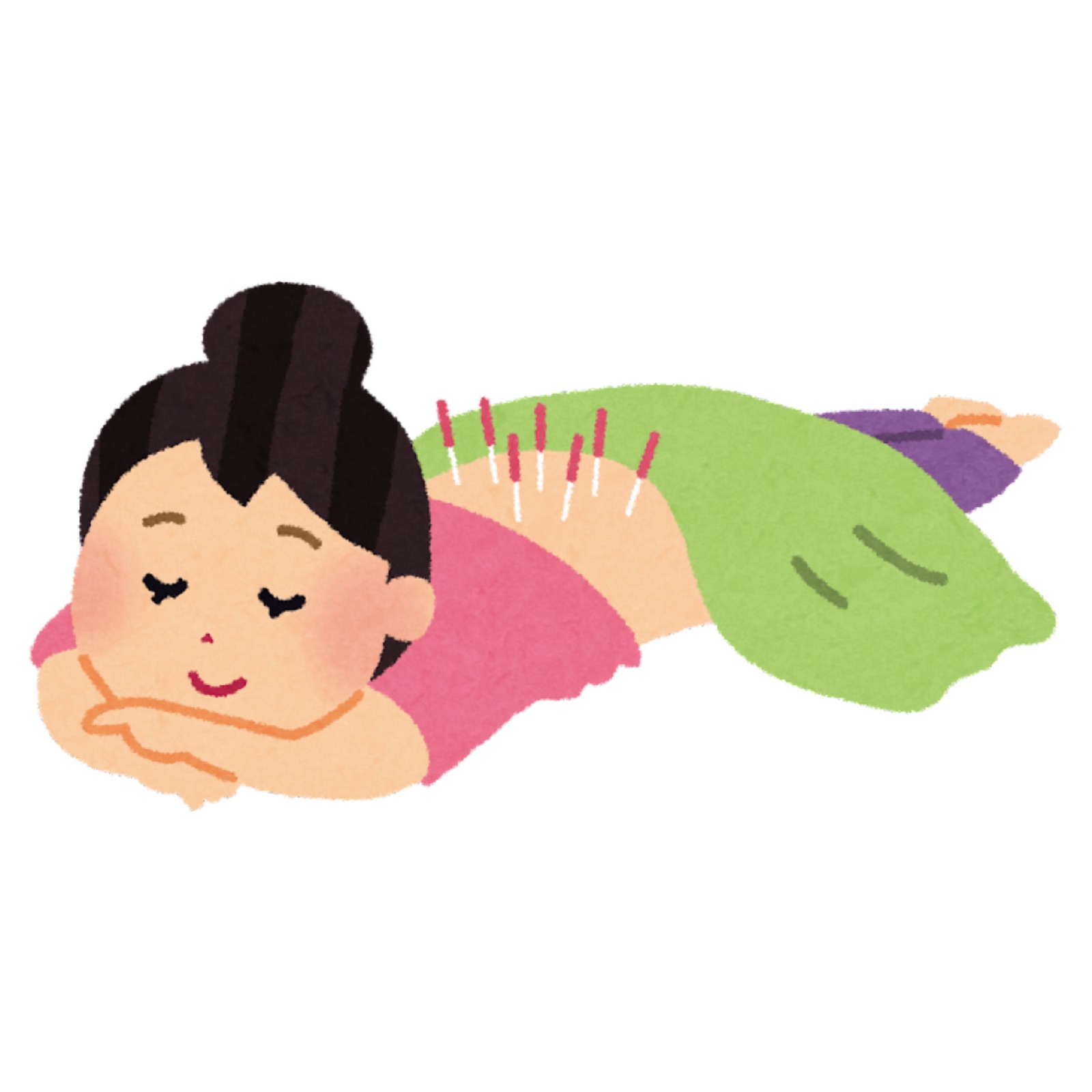
The concept of acupuncture in Hunyank
Hunyank, as a concept of holistic therapy, integrates traditional methods such as acupuncture. In Hunyank practice, acupuncture is applied according to the ideas of TCM, which are based on Qi, meridians, and blockages.
Use of acupuncture needles
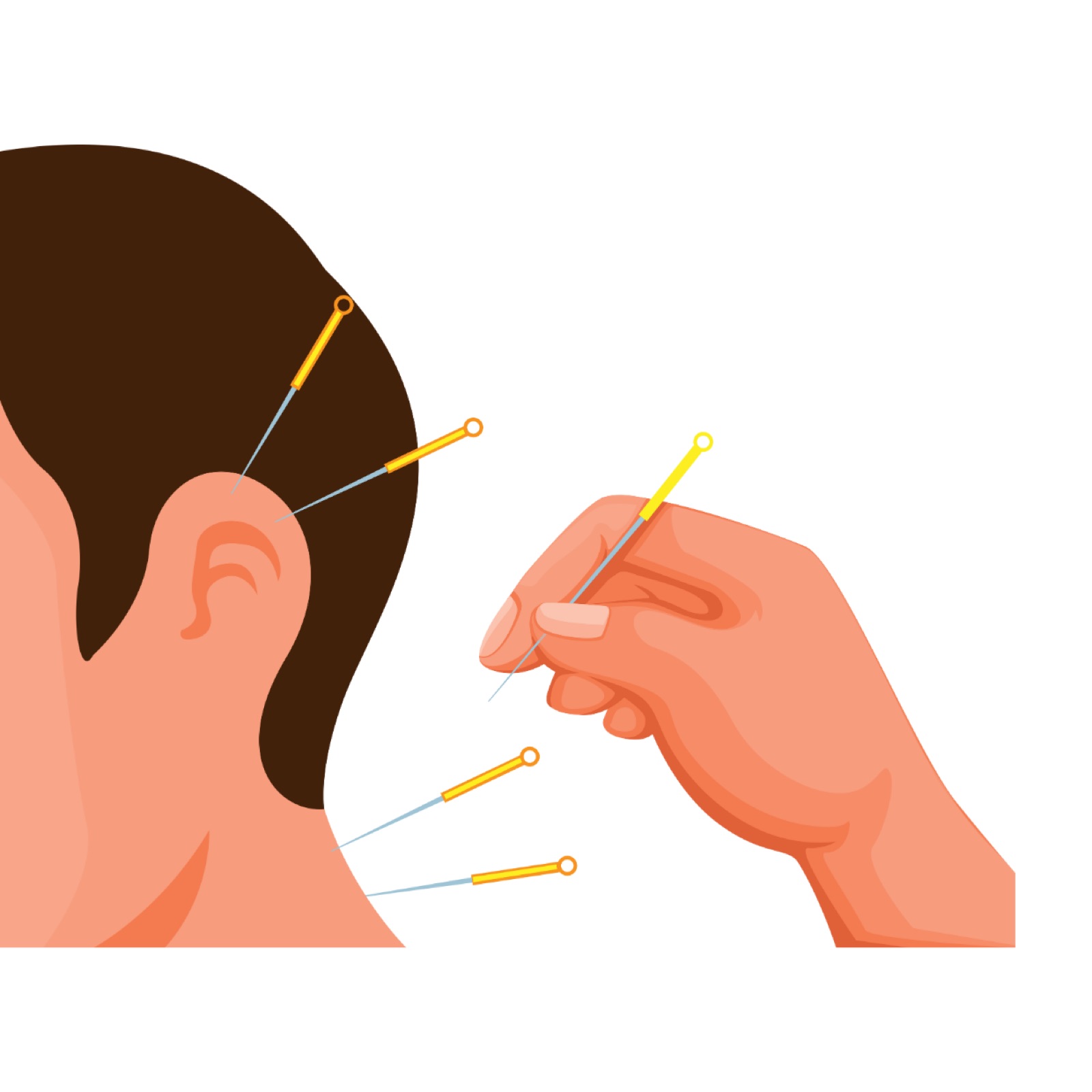
Acupuncture treatment involves inserting thin needles into specific acupuncture points along the meridians. In TCM, this is described as stimulating Qi and the flow of energy.
Types of acupuncture needles
Steel needles: The most commonly used needles, made of stainless steel.
Silver needles: Used less frequently. In TCM, they are attributed a particular effect on the flow of energy.
Gold needles: Also rare. In TCM, they are described as energizing.
Topics of acupuncture
Acupuncture is used in connection with various topics. These include:
Pain: Chronic and acute pain, including back pain, headaches, and joint pain.
Stress: Tension and anxiety.
Digestion: Digestive complaints such as irritable bowel syndrome.
Immune system: In TCM, acupuncture is described in connection with the body's defenses.
Hormonal balance: Hormonal imbalances and menstrual complaints.
Complaints for which acupuncture is used
Acupuncture is used for the following complaints, among others:
Chronic pain (e.g., back pain, arthritis)
Migraine and headaches
Sleep disorders and insomnia
Digestive problems (e.g., irritable bowel syndrome)
Allergies and asthma
Stress, anxiety, and depression
Hormonal disorders (e.g., menstrual complaints, menopausal symptoms)
Studies on acupuncture
Acupuncture has been examined in numerous studies for various complaints, including:
A meta-analysis in "JAMA Internal Medicine" found that acupuncture is effective in treating chronic pain and can provide significant pain relief .
A study in the "British Medical Journal" showed that acupuncture is helpful in the treatment of migraines and tension headaches .
A study in the "Journal of Clinical Oncology" examined acupuncture in cancer patients, particularly in connection with nausea and pain. The treatment of cancer belongs in the hands of a physician.
A systematic review in "PLOS ONE" found that acupuncture is effective in treating anxiety and depression .
Conclusion
Acupuncture as a concept of holistic therapy is an integral part of naturopathic practice. During treatment, the meridians and acupuncture points are stimulated. Integrating acupuncture into holistic therapy concepts is an approach that can complement other medical treatments.
Sources:
JAMA Internal Medicine, Meta-Analysis on Chronic Pain.
British Medical Journal, Study on Migraine and Tension Headaches.
Journal of Clinical Oncology, Research on Acupuncture in Cancer Patients.
PLOS ONE, Systematic Review on Anxiety and Depression.
Professionally responsible: Yesha Karmeli, naturopathic practitioner (Heilpraktiker), Natura Heilpraxis Berlin. This text provides general information and does not replace individual advice.